Sinomine's Bikita Plans to Increase Zimbabwe Beneficiation and Metallurgy Investment to Over US$900 Million
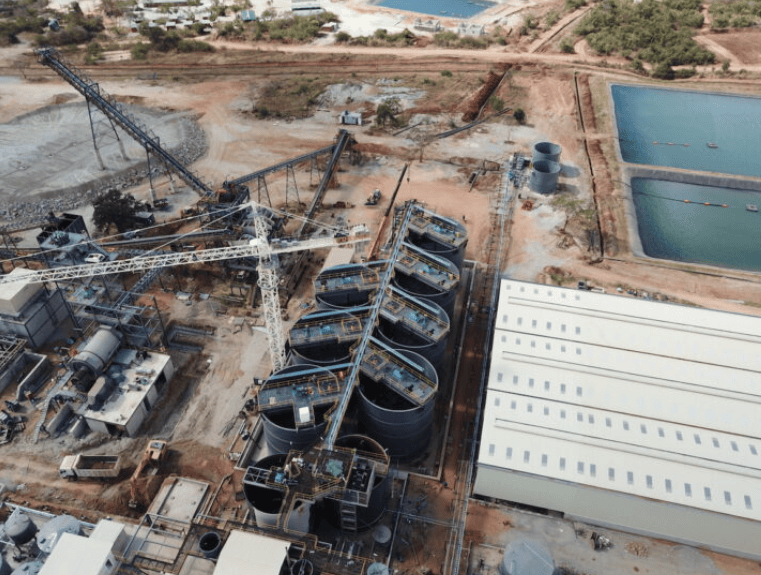
en.Wedoany.com Reported - On September 25, Bikita Minerals, a subsidiary of Sinomine Resource Group, disclosed that direct mineral beneficiation and metallurgy investment at the Bikita mine in Zimbabwe is expected to reach US$383 million by the end of 2026, and with projects under construction progressively completed, cumulative investment is set to exceed US$900 million by the end of 2027. Current investment priorities cover projects including lithium sulfate, tantalum-niobium recovery, spodumene flotation capacity expansion, and mine power supply infrastructure.
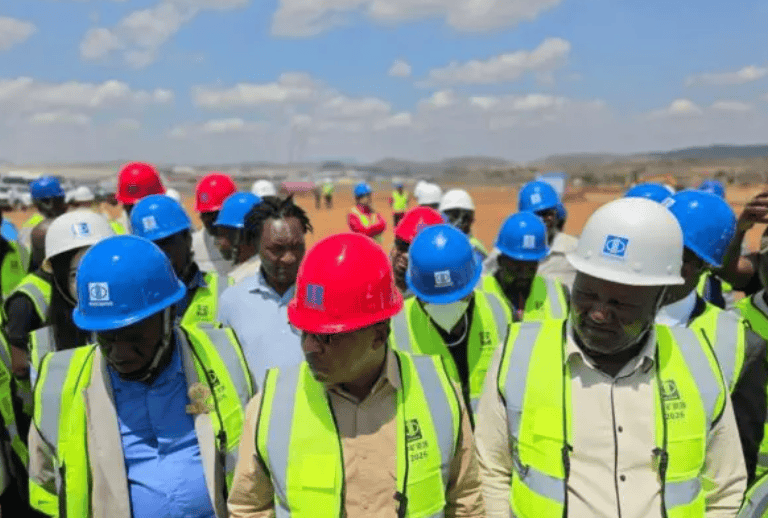
Among these, the largest single project is a US$400 million lithium sulfate production line, currently scheduled for completion and commissioning in July 2027. Bikita's existing lithium products include spodumene, petalite, and pollucite concentrates. Once the lithium sulfate project is operational, it will further extend the lithium concentrate processing chain toward lithium salt intermediate products. Dimension Network has previously published a separate report on this lithium sulfate project, so this new article focuses on the overall Bikita beneficiation and metallurgy investment portfolio and the 2027 investment target.
Tantalum-niobium resource recovery is also being expanded in parallel. Bikita is advancing Phase II of its tantalite extraction project, scheduled for completion in March 2027. The mine's existing Phase I tantalite capacity exceeds 144 tonnes per year, with tantalum concentrate averaging approximately 21% tantalum pentoxide grade and associated niobium pentoxide content of about 7%–12%. The company is also conducting further recovery of associated resources including tantalum, niobium, and cesium from tailings and waste streams.
On the spodumene beneficiation side, the company plans to increase flotation system processing capacity from 2 million tonnes per year to 3.3 million tonnes per year, with the expansion project expected to be completed in the second quarter of 2027. Bikita currently has an annual production capacity of 360,000 tonnes of spodumene concentrate, 230,000 tonnes of petalite concentrate, and 6,900 tonnes of pollucite concentrate. Spodumene concentrate averages approximately 5.5% lithium oxide grade, while petalite products are controlled within 3.5%–4.4% according to customer requirements.
In terms of energy infrastructure, the mine is constructing a 30 MW coal-fired power station, scheduled for completion in the second to third quarter of 2027. Bikita has previously invested US$20 million in building a 132 kV power supply system and a 20 MW photovoltaic power station; it has also invested approximately US$2 million to support rural electrification in the surrounding areas of Bikita, Zaka, and Gutu. The new captive power supply will work alongside the existing grid and photovoltaic system to serve the beneficiation plant and subsequent lithium salt processing facilities.
Bikita currently discloses lithium resources of approximately 130 million tonnes, supporting a mine life of over 15 years. In 2025, the mine exported 300,000 tonnes of spodumene concentrate, 2,311 tonnes of pollucite concentrate, and 15,620 tonnes of tantalite concentrate. As flotation expansion, tantalum-niobium recovery, and the lithium sulfate project advance in sequence, the mine's existing product structure will continue to extend from lithium concentrate toward multi-metal recovery and lithium salt processing.
Related Products
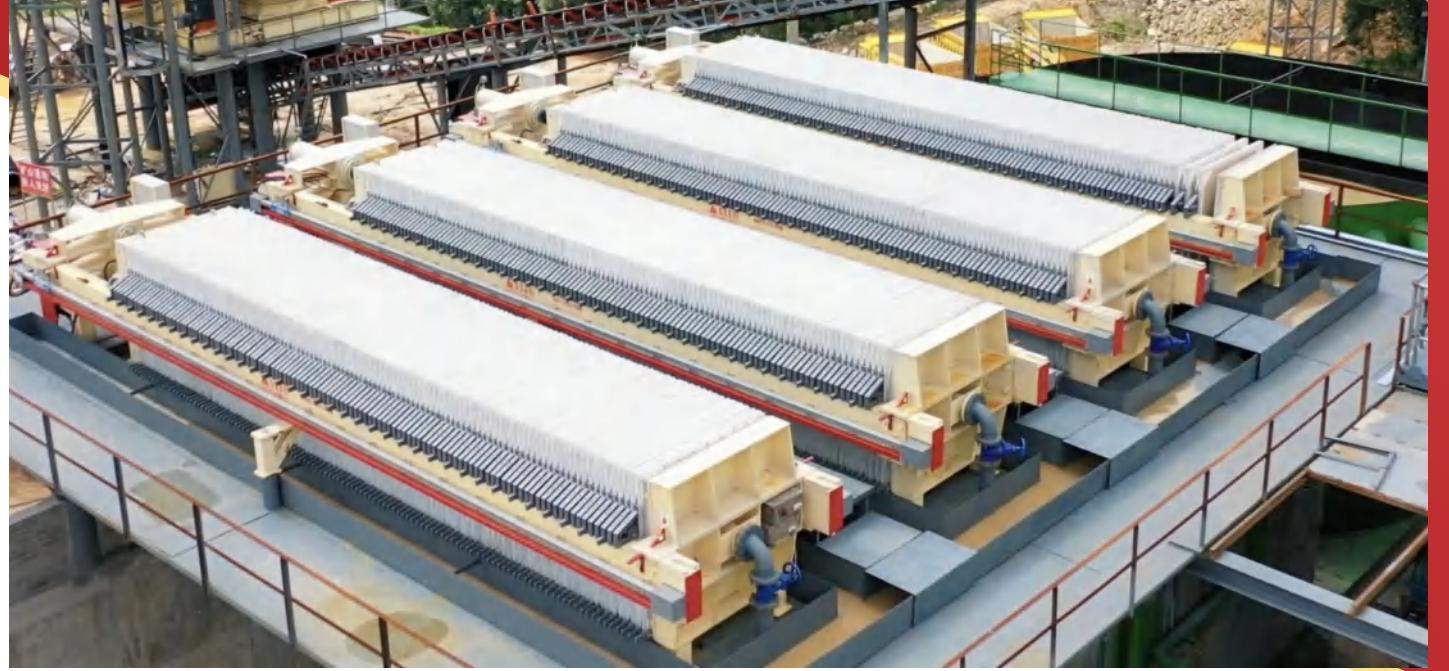

Hydraulic Plate and Frame Filter Press
Guangdong Leimeng Intelligent Equipment Group Co., Ltd.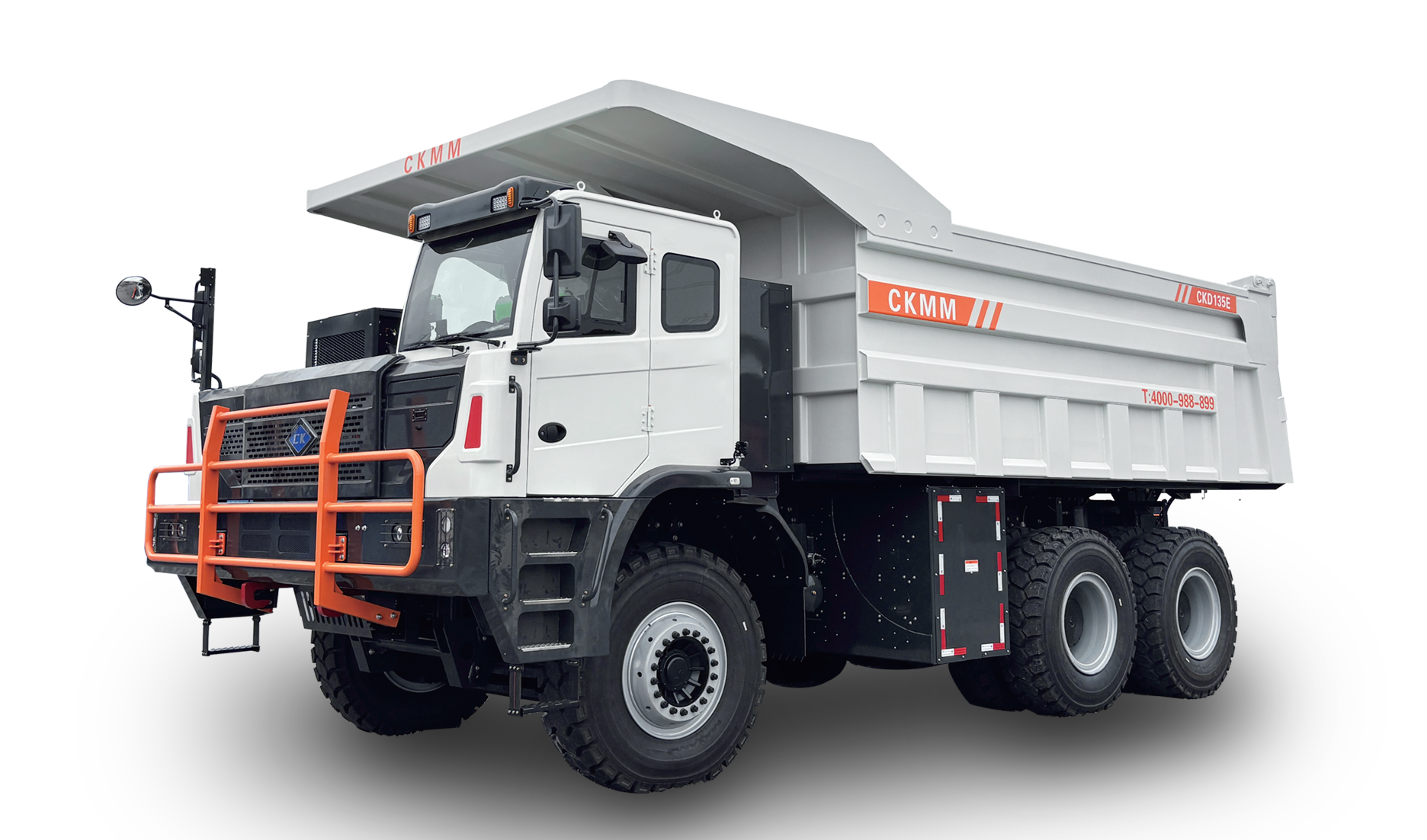
CKD135E Pure Electric Wide-body Dump Truck
Jiangsu Changkuang Engineering Machinery Co. Ltd.
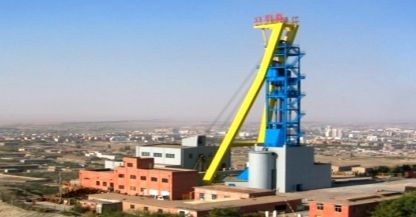
Core Technologies of the Mining Technology and Equipment Business Unit: Efficient Mining Methods and Processes
CHANGSHA INSTITUTE OF MINING RESEARCH CO., LTD.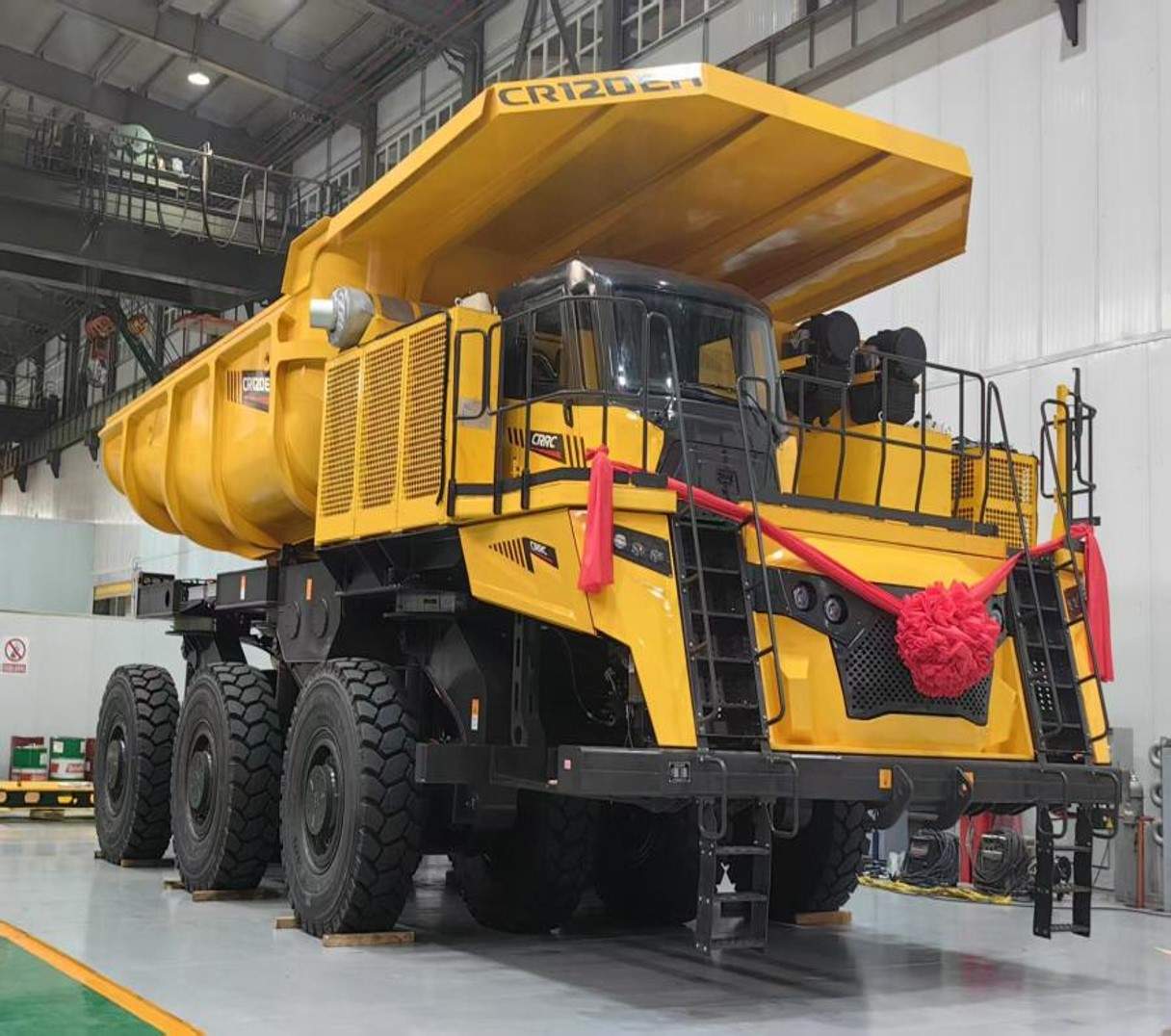
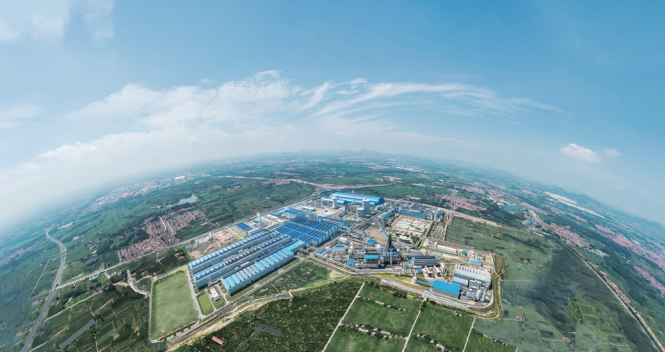
Linyi Steel Investment Special Steel 2.7 Million Tons per Year High-quality Special Steel Project
Capital Engineering & Research Incorporation Limited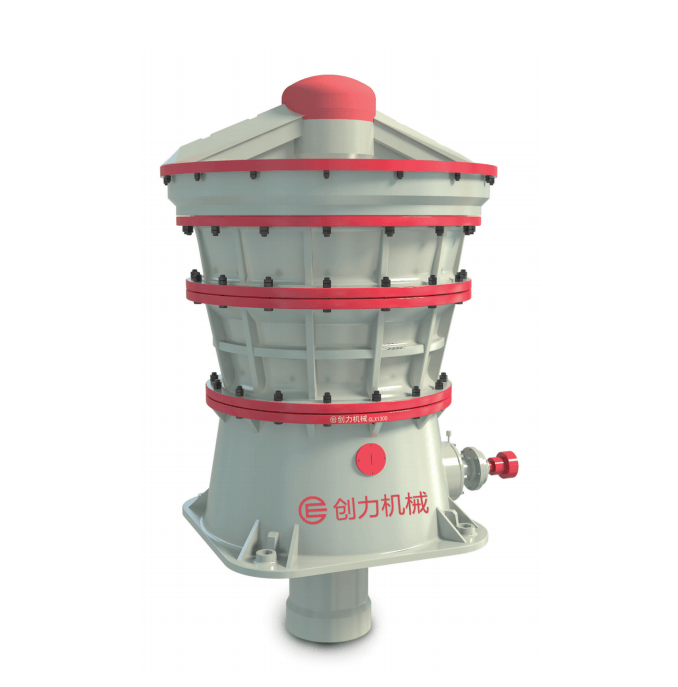
CLX Series Intelligent Hydraulic Gyratory Crusher
Guangdong CHUANGLI intelligent machinery Equipment Co., LTD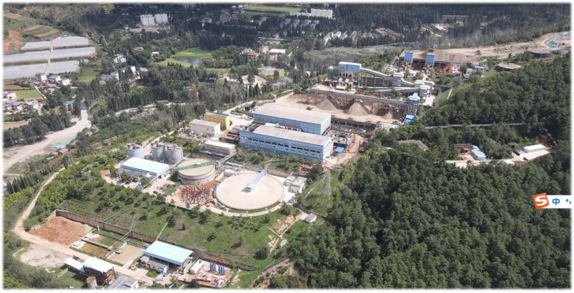
Yunnan Phosphorus Chemical Group Co., Ltd. 2 Million t/a Phosphorus Ore Mining and Beneficiation Project
China Bluestar Lehigh Engineering Corporation
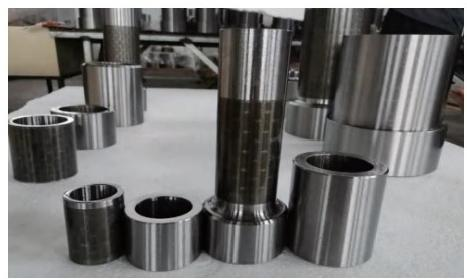
High-temperature Equal Wall Thickness High-power Screw Drilling Tool
Orient Energy & Technologies Co., Ltd.
Quick-Change Single-Seat Control Valve / Quick-Change High-Pressure Single-Seat Control Valve
Beijing Consen Automation Technology Co., Ltd.