India Requires Captive Coal Power Above 50MW to Run at Full Load to Ease Power Shortage
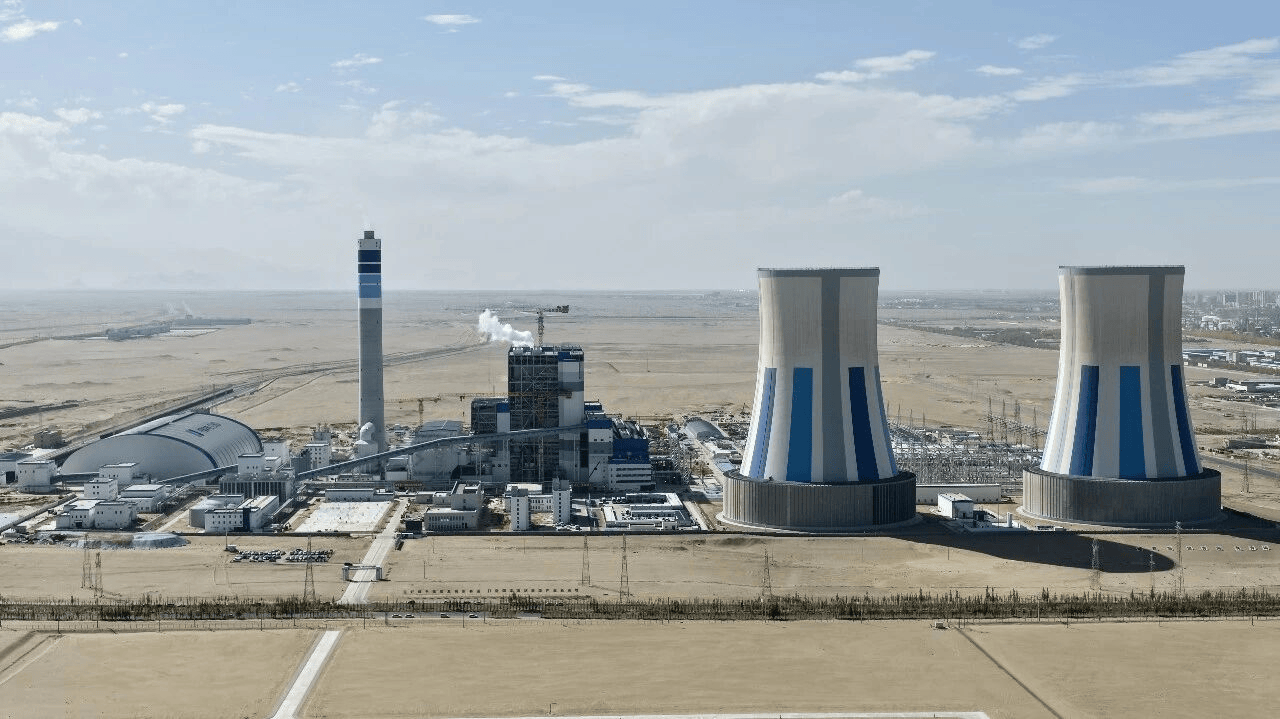
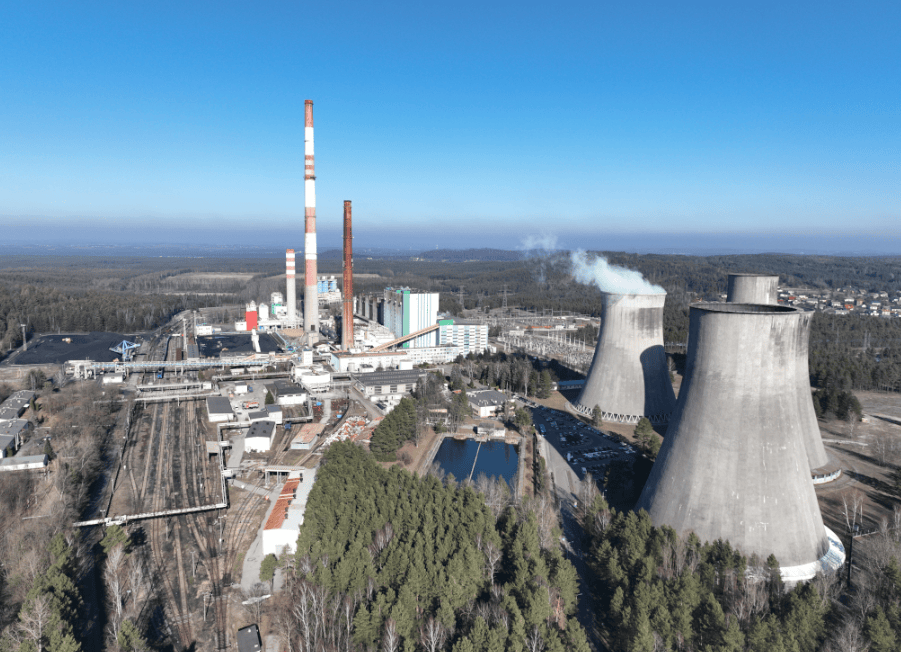
en.Wedoany.com Reported - India's Ministry of Power has required captive coal-fired generating units with installed capacity exceeding 50MW to operate at full load as much as possible and to sell surplus electricity remaining after meeting enterprises' own consumption through power trading platforms. The measure covers industrial enterprises in steel, fertilizer, refining, cement and other sectors that have captive coal-fired power plants. The Indian government has also extended the operational directive for Tata Power's 4GW imported coal power station at Mundra in Gujarat, requiring the station to maintain full-load operation until December 2026. Both measures are implemented under Section 11 of the Electricity Act, 2003.
The dispatch pressure in this round is mainly concentrated at night. In September, India's nighttime power gap reached 7.7GW during some periods, exceeding the gap level during the high-temperature period from April to May this year. On September 9, India's peak load reached about 267GW, with a nighttime gap of about 7.7GW; on September 10, the peak load further rose to 269GW, while the nighttime gap still reached 6.1GW. At the same time, hydropower generation in the first three weeks of September fell 12% year on year, and coal-fired units shouldered more of the power supply task during non-photovoltaic hours.
Increased coal-fired generation has already transmitted to fuel inventories. Public data and industry statistics show that coal inventories at India's grid-connected coal power stations have fallen by more than half compared with the same period last year, dropping to close to the lowest level in three years; as of late September, among the 196 power plants surveyed, about 40% had inventories below 25% of the prescribed coal storage level. India's Ministry of Coal and Central Electricity Authority are currently continuously monitoring coal supply, inventories and transportation at power plants, with the fuel management department of the Central Electricity Authority tracking coal arrivals and consumption at thermal power plants nationwide on a daily basis.
India's coal-fired power generation in September increased by about 18% year on year, with a cumulative increase of about 11% since the start of the current fiscal year. While coal-fired output increased, insufficient monsoon rainfall suppressed hydropower supply; after entering late September, increased rainfall in turn disrupted open-pit mine production and railway and road transportation in major coal-producing areas such as Chhattisgarh, Odisha and Jharkhand, affecting the speed of replenishing power plant inventories. Indian Coal Minister G. Kishan Reddy subsequently stated that there is currently no shortage of total coal resources nationwide, and the government is increasing coal supply to power plants via rail and road.
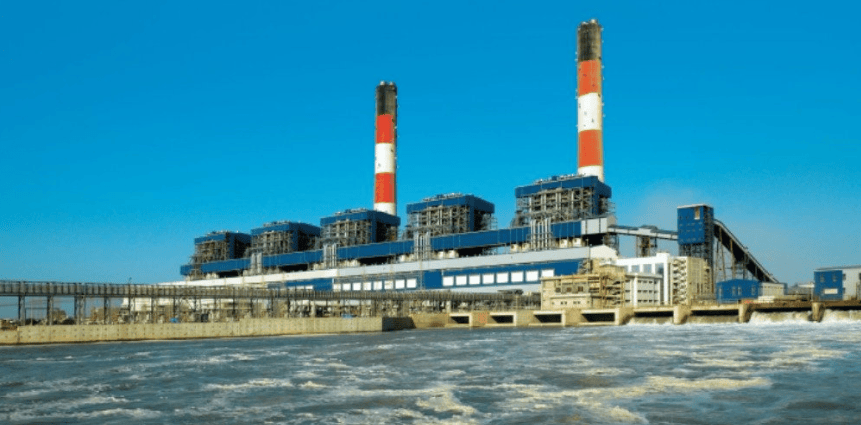
The Tata Power Mundra project is a large independent power source in this emergency dispatch. The station is located in Gujarat, has an installed capacity of 4000MW, and uses imported coal. India's Ministry of Power has extended the Section 11 operational directive for imported coal power stations, and the Mundra station therefore continues to undertake high-load power generation tasks. By contrast, the newly added dispatch requirement for captive coal power above 50MW brings industrial enterprises' internal power sources into the short-term power supply system as well, allowing enterprises to sell surplus electricity through the power market after meeting their own production power needs
Related Products
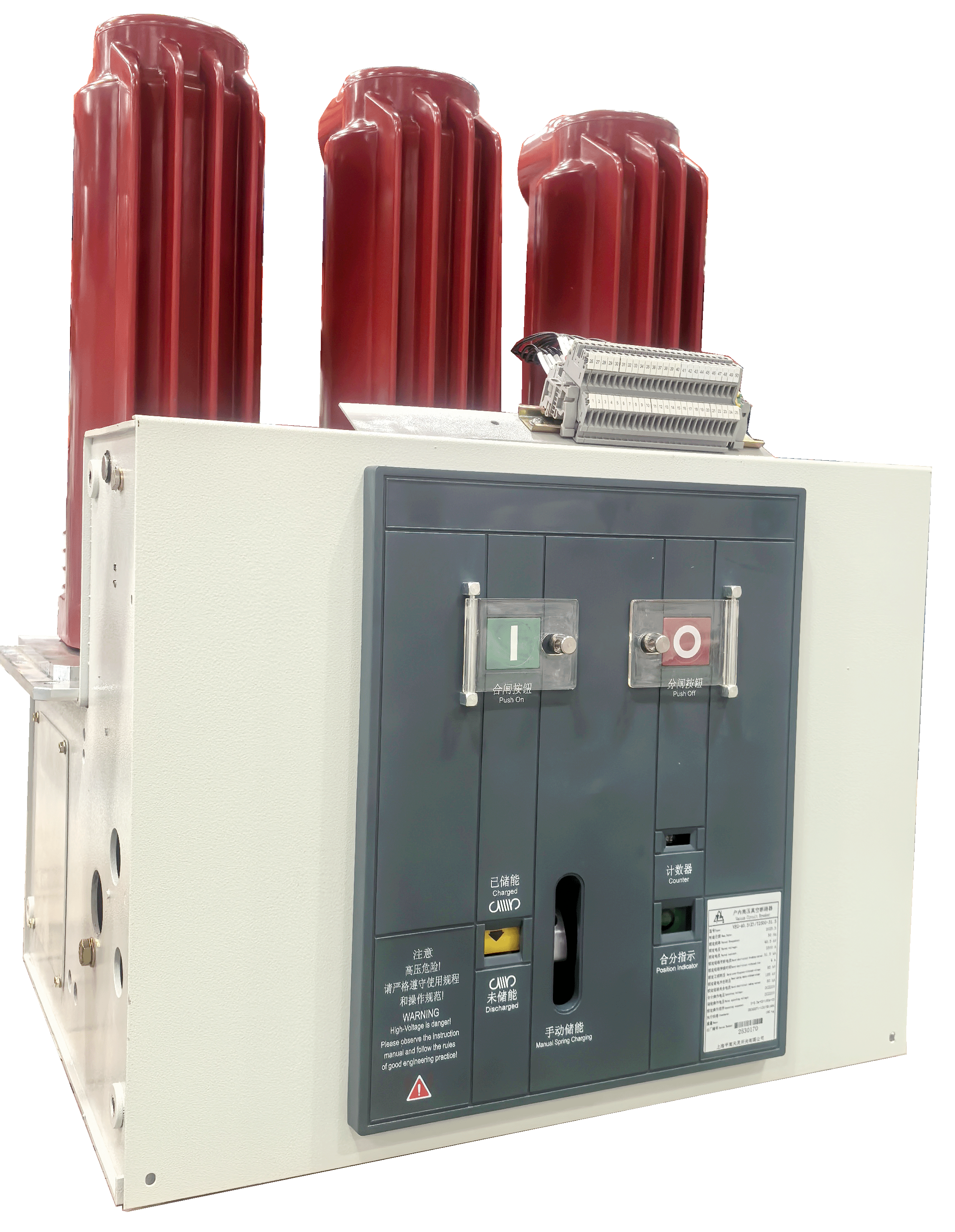

VEG-12/24/40.5 Series Vacuum Circuit Breaker
SHANGHAI PINGGAO TIANLING SWITCHGEAR CO., LTD.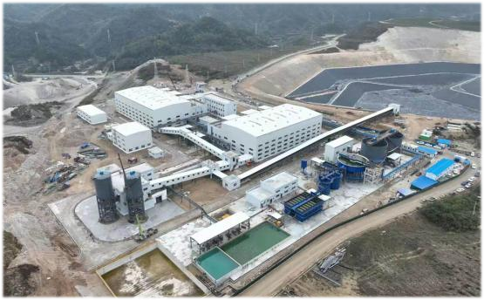
Yingping Mining Section Open-pit Tailings Backfill Treatment of Goaf Ecological Restoration EPC Project
China Bluestar Lehigh Engineering Corporation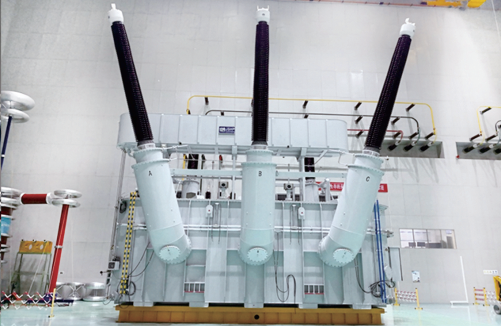
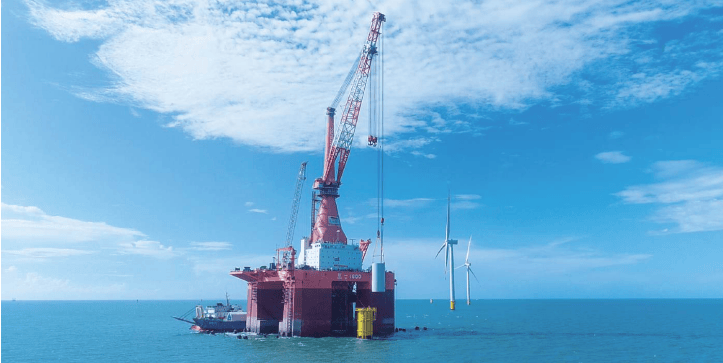
"Shunyi 1600" Deep-submerging Bottom-sitting Multi-functional Wind Power Engineering Vessel
Zhengli Offshore Engineering Co., Ltd.

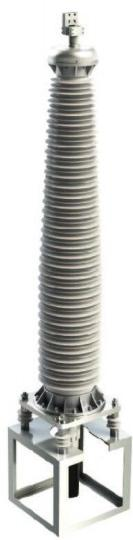
220kV Composite Outdoor Cable Terminal
Shenyang Guolian Cable Accessories Manufacture Co., Ltd.