U.S. Department of Energy Awards $1 Million to Study Fission Products in Molten Salt Nuclear Fuel
en.Wedoany.com Reported - On October 5, Pennsylvania State University received a $1 million grant from the U.S. Department of Energy's Nuclear Energy University Program to study the chemical behavior of three fission products—samarium, europium, and tellurium—from spent nuclear fuel in molten salt systems. The project is led by Hojong Kim, professor of materials science and engineering at the university, with participation from the University of Nevada, Reno and Idaho National Laboratory. The research covers valence state changes of the three elements in molten salt environments, material interactions, and their behavior during high-temperature pyroprocessing of nuclear fuel.
The project focuses on the multiple valence states formed by samarium, europium, and tellurium under different molten salt redox conditions, as well as the effects of valence changes on solubility, partitioning behavior, and separation processes. According to the U.S. Department of Energy project summary, samarium has strong neutron absorption effects, europium may cause dissolution of structural materials, and tellurium may form brittle intermetallic compounds with metals. These behaviors all relate to material integrity and fission product separation in molten salt nuclear fuel cycle systems.
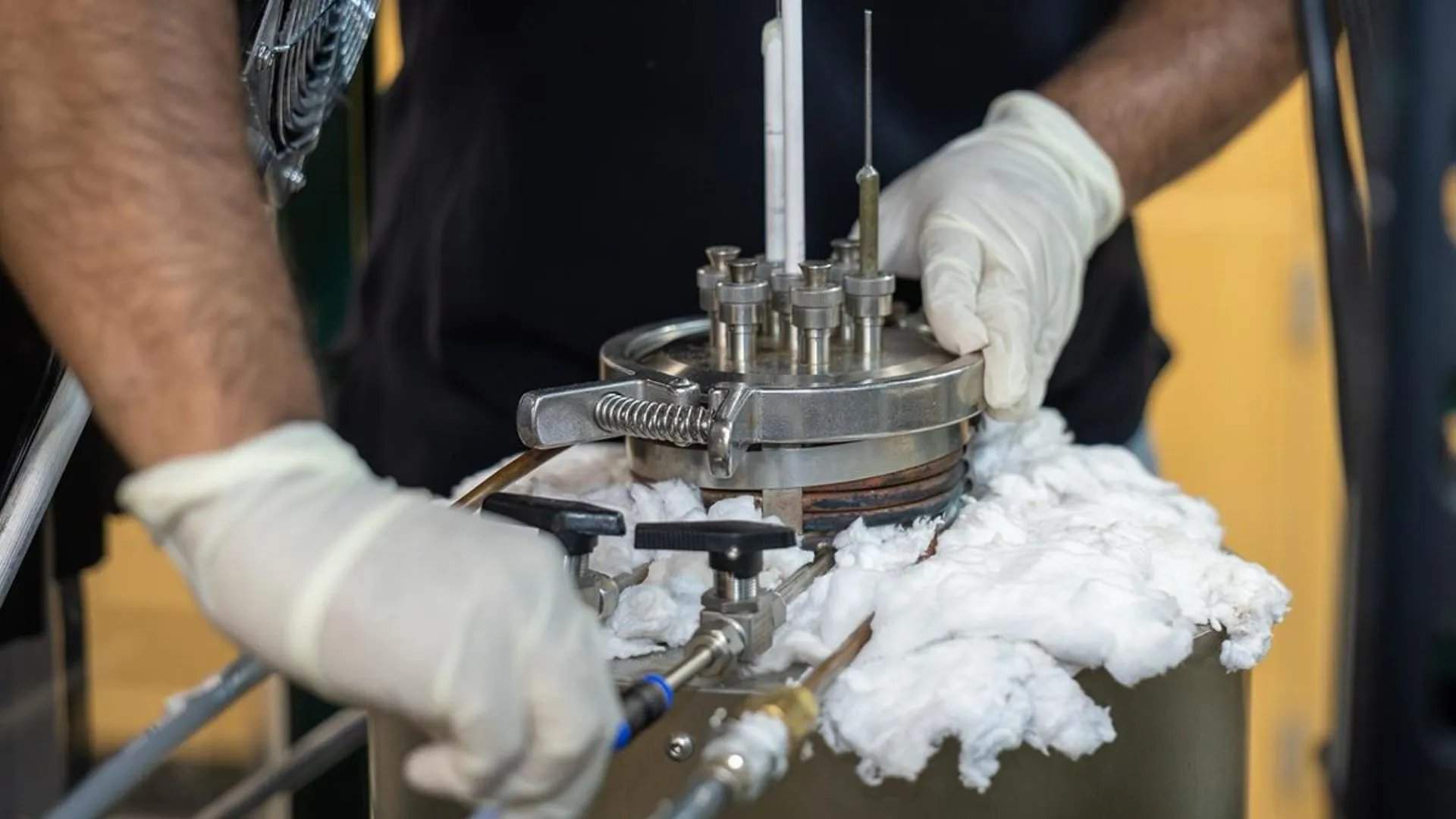
In the experimental phase, the three target elements will be dissolved in molten salt media, their oxidation states changed by applying different potentials, and the corresponding electrochemical properties measured. Pennsylvania State University is responsible for the relevant molten salt electrochemistry experiments, while the University of Nevada, Reno and Idaho National Laboratory undertake part of the characterization, modeling, and supplementary experimental work. The project will also study the interactions between these fission products and structural materials of nuclear energy systems.
The research will also use liquid bismuth to conduct fission product capture experiments. Kim's team has previously studied the recovery of rare earth fission products from molten salt systems using liquid metals, in which liquid bismuth was used to extract rare earth elements from molten salts. This round of the project will further study the recovery and stabilization conditions of the target elements based on this technical approach.
Samarium is one of the key targets in this round of research. Kim's team had planned to study samarium in a 2018 U.S. Department of Energy-funded project, but due to factors such as its low concentration in molten salts and differences in electrochemical behavior compared with other rare earth fission products, the relevant research was not completed at that time. This project will restart research on the electrochemical characteristics and valence states of samarium, while simultaneously analyzing europium and tellurium.
Related Products
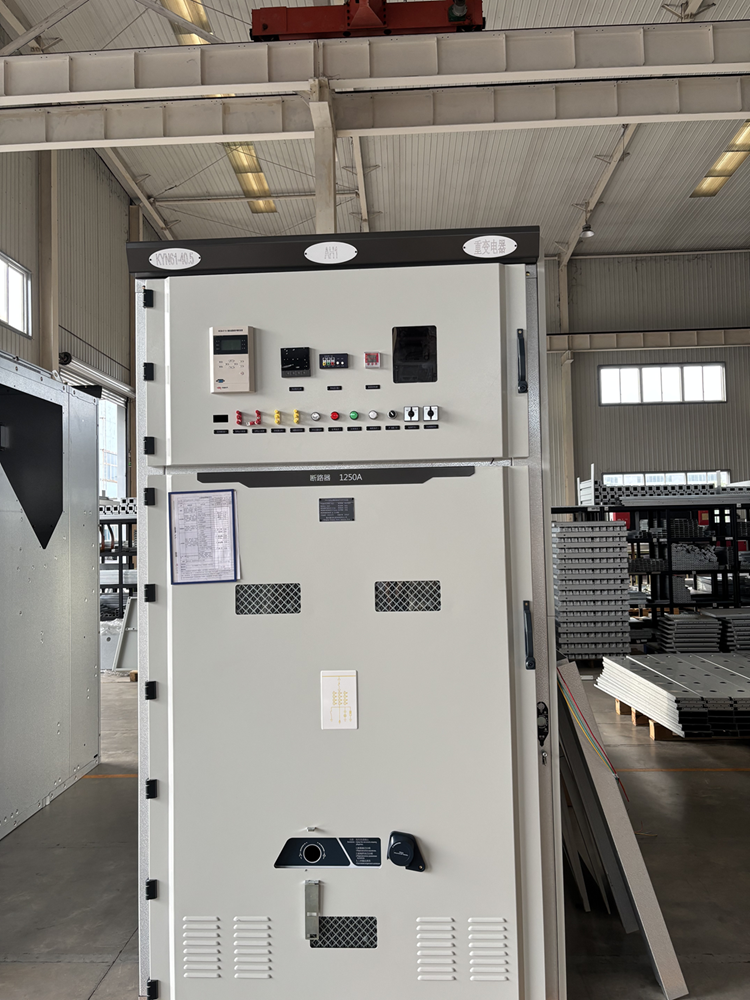

KYN61-40.5 Indoor AC Metal-clad Removable Switchgear
Chongqing Transformer Co., Ltd.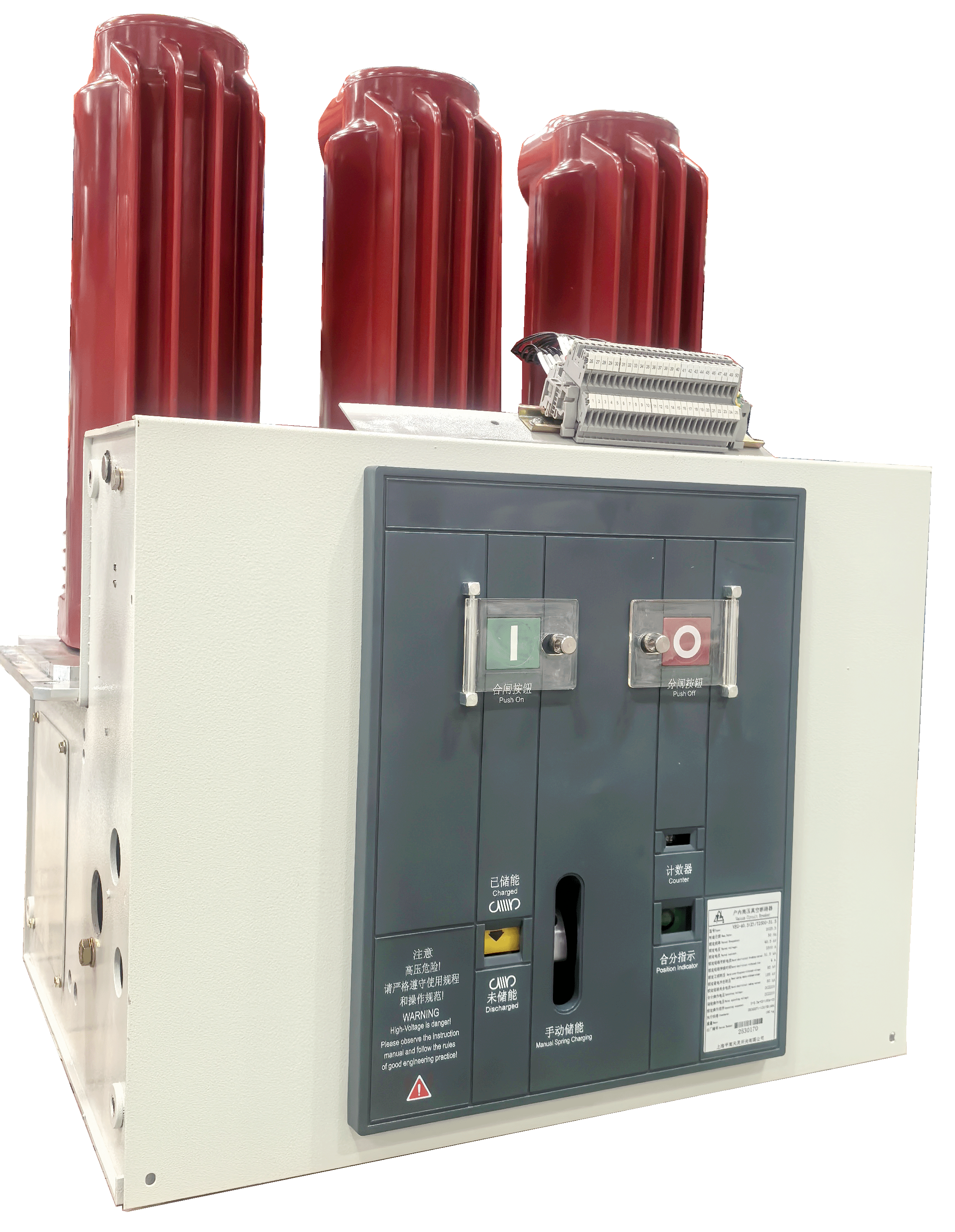
VEG-12/24/40.5 Series Vacuum Circuit Breaker
SHANGHAI PINGGAO TIANLING SWITCHGEAR CO., LTD.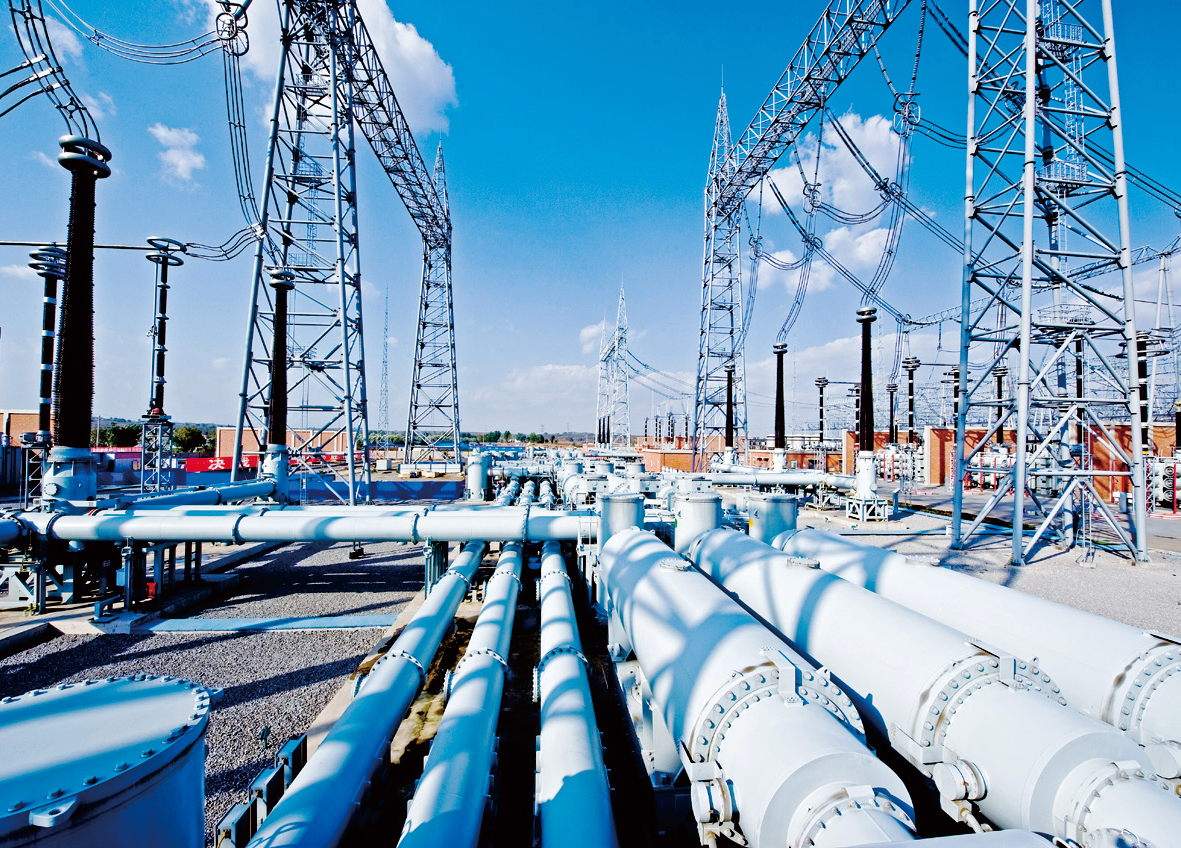
40.5kV-1100kV Gas Insulated Metal-Enclosed Switchgear (GIS)
Henan Pinggao Electric Co., Ltd.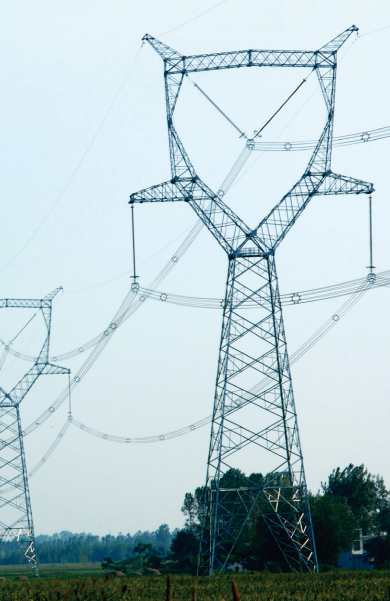
1000kV Jin Southeast-Nanyang-Jingmen UHV AC Transmission and Transformation Pilot Demonstration Project
Anhui Hongyuan Steel Tower Co., Ltd.
High-voltage Direct Current (HVDC) Transmission System Research and Integrated Design
XI'AN XD POWER SYSTEMS CO., LTD.
Forest and Grassland Heat Source Infrared Monitor
China Huayun Meteorological Technology Group Co., Ltd.