All 35 MW of ECL's U.S. AI data center capacity booked by three customers
en.Wedoany.com Reported - On November 3, U.S. data center developer ECL announced that all 35 MW of planned capacity at its CSC1 artificial intelligence data center in Santa Clara, California, has been fully committed by three customers. The project uses the FlexGrid hybrid power architecture and will begin phased delivery in the first quarter of 2027, with full deployment expected to be completed in the third to fourth quarter of 2027. The three tenants include an AI cloud computing platform and startups focused on AI inference services.
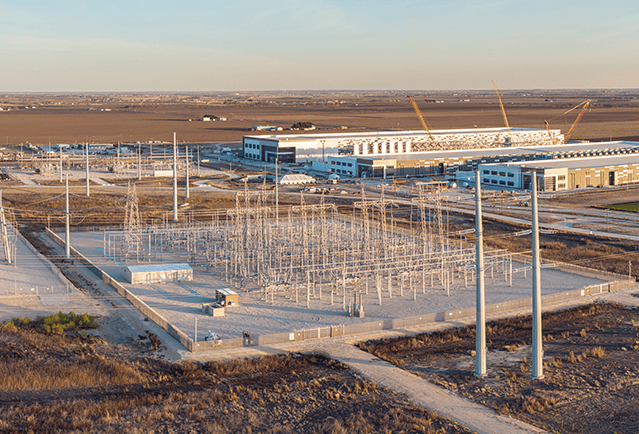
CSC1 was first publicly announced in April 2026 and achieved full capacity booking before construction was completed. The three customers plan to use the facility for AI inference workloads. ECL adopts a modular construction approach that allows completed data center modules to enter operation first while the remaining modules continue under construction. The company cites a 9-to-12-month lead time from customer order to delivery and use for its modular facilities.
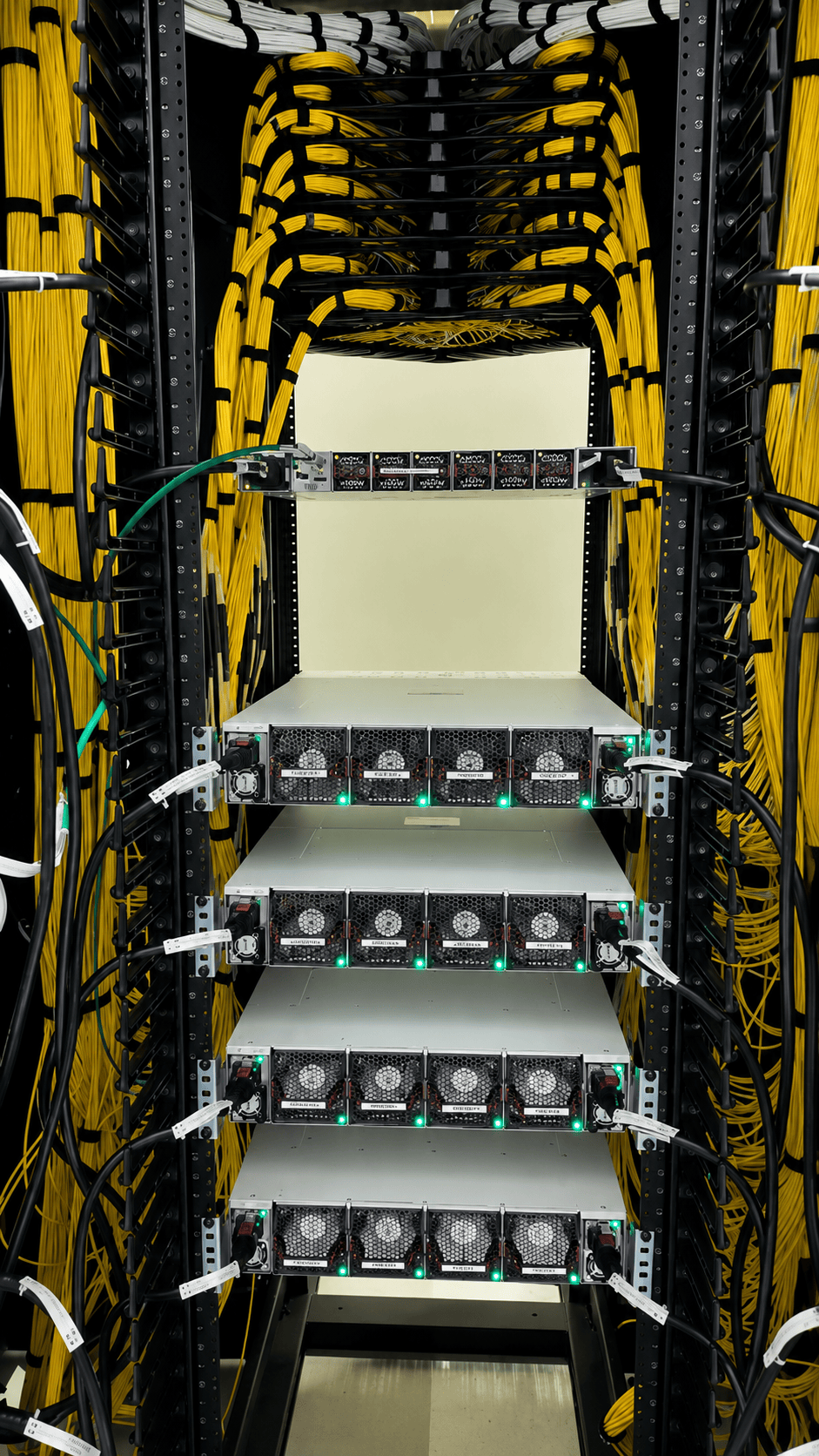
The data center is initially designed to support a maximum single-rack power density of 150 kW, with reserved capability for future upgrades to 250 kW and above. The facility can accommodate NVIDIA GB300 and Vera Rubin architectures, uses a direct-to-chip liquid cooling system, and is designed for a power usage effectiveness (PUE) below 1.15.
The power supply system uses ECL's FlexGrid architecture, which can connect up to 5 MW of municipal grid power, 30 MW of natural gas microturbine and fuel cell generation capacity, and 5 MW of hydrogen power generation capacity. The system is equipped with battery energy storage for transient power regulation and backup supply. The above figures represent the configured upper limits for different power sources and do not represent the actual power supply of each source operating simultaneously.
CSC1 adopts a distributed modular construction approach, allowing power equipment, machine room modules, and supporting facilities to be procured and constructed in parallel. ECL plans to use combinations of multiple smaller-capacity units to reduce dependence on large power transformers and to meet different tenants' equipment deployment needs through phased construction and delivery.
The data center cooling system combines direct-to-chip liquid cooling, air cooling, and utilization of byproduct water from hydrogen fuel cells. When the hydrogen fuel cells are in operation, water produced during power generation can enter the cooling circulation system. The facility is designed to a target equivalent to Tier III reliability.
ECL is simultaneously opening customer inquiries for three follow-up data center projects: CSJ1, CSU1, and CSU2. These facilities are planned to continue using the FlexGrid power architecture, with individual projects planned at 25 to 35 MW, targeting high-density AI inference computing demand in the San Francisco Bay Area.
Related Products

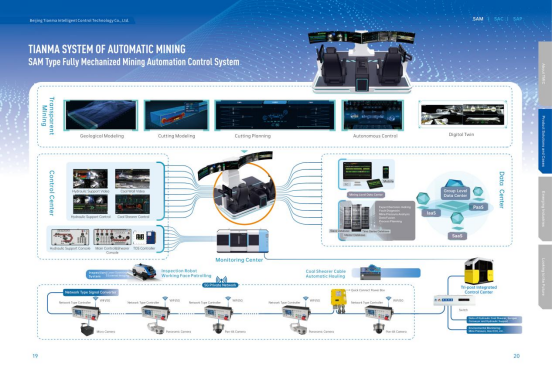
Comprehensive Mining Automation Control System
Beijing Tianma Intelligent Control Technology Co., Ltd.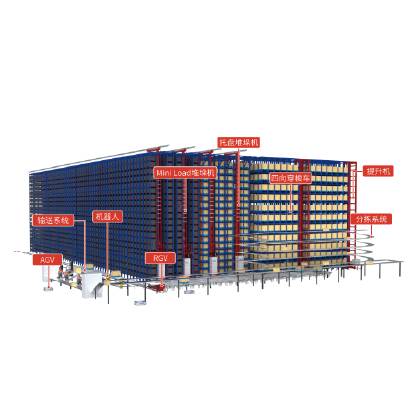
20 Inch 1600*900 Full HD 60Hz TFT LED Monitor with VGA and DP Interfaces for Desktop Computers-Business Use
Guangzhou Zanying Optoelectronics Technology Co., Ltd.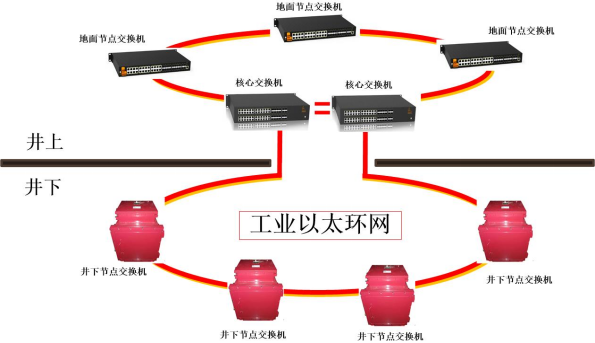
Mine Explosion-proof and Intrinsically Safe Industrial Ethernet Ring Network (10 Gigabit/Gigabit)
Chongqing Mas Sci&Tech Co., Ltd.
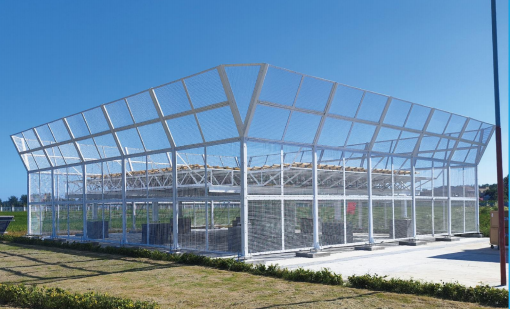
TWP16 P-Band Tropospheric Wind Profile Radar
China Huayun Meteorological Technology Group Co., Ltd.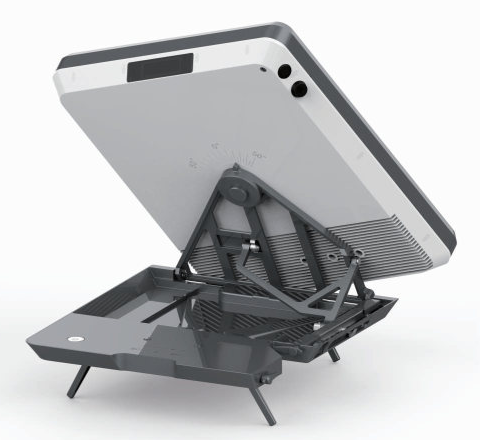
Flat Portable Satellite Terminal 0.35m Aperture Manual Portable Terminal
China Starwin Science & Technology Co., Ltd.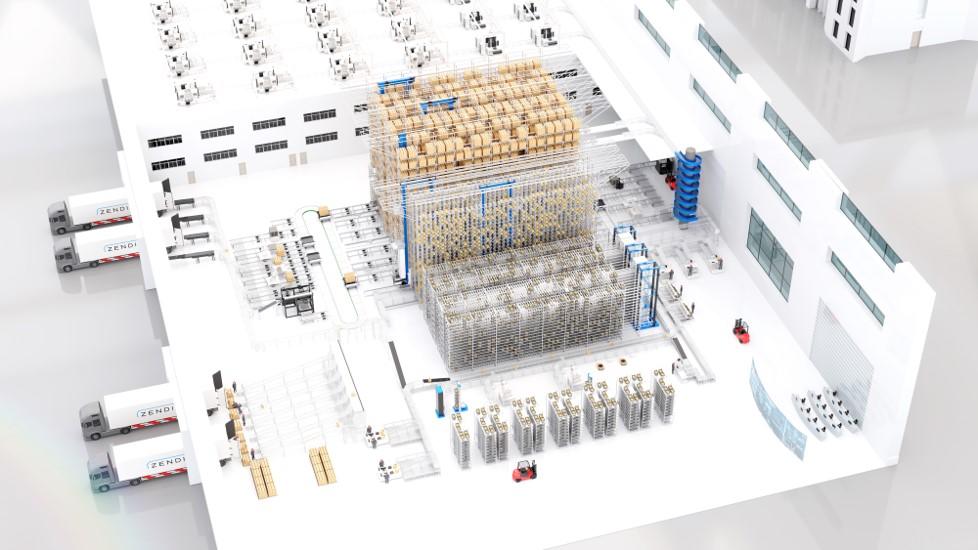
One-Stop Steward Service for the Entire Logistics System Integration Chain
Zhongding Intelligent (Wuxi) Technology Co., Ltd.
KJD127(A) Mining Explosion-Proof and Intrinsically Safe Computer
Taiyuan Xiangming Intelligent Control Technology Co., Ltd.