Denmark's Topsoe launches VK68 catalyst for low-concentration gas in sulfuric acid plants
en.Wedoany.com Reported - On November 4, Danish technology company Topsoe presented the VK68 sulfuric acid catalyst at the Sulphur + Sulphuric Acid Conference 2026 held in Berlin, Germany. The catalyst is designed for low-concentration gas conditions in the lower catalyst beds of sulfuric acid plants. The product is optimized for dilute SO₂ gas environments downstream of the intermediate absorption tower, making it suitable for the latter stages of double-contact double-absorption sulfuric acid plants, where it improves tail-end SO₂ conversion and reduces emissions.
VK68 is a cesium-free catalyst developed on the basis of VK38+, targeting low-concentration gas conditions at temperatures above approximately 400°C. According to Topsoe data, under typical 3+1 double-absorption fourth-bed operating conditions, VK68 achieves activity comparable to the high-performance VK69 catalyst starting from approximately 420°C, while maintaining significantly higher catalytic activity than conventional VK38 and VK38+ in the 400°C to 420°C range.
The catalyst uses a cesium-free formulation. Topsoe notes that cesium is one of the significant cost drivers of high-performance sulfuric acid catalysts. VK68 therefore enhances tail-end SO₂ conversion capability by improving vanadium-based catalytic activity under low-concentration gas conditions without the use of cesium promoter. For existing sulfuric acid plants that need to control catalyst costs while reducing tail-gas SO₂ emissions, this configuration can serve as a final-bed retrofit solution.
Industrial application data published by Topsoe show that installing VK68 in the final bed of a typical sulfur-burning sulfuric acid plant can reduce SO₂ emissions by up to approximately 35% and, under certain operating conditions, increase sulfuric acid output by up to approximately 30%, while also increasing steam production. Actual results depend on the plant's existing catalyst configuration, inlet gas composition, temperature, absorption system, and production load; the above figures cannot be directly applied to all sulfuric acid plants.
VK68 can also be used to address plant bottlenecks created in the upper beds. If the front-end catalyst in a sulfuric acid plant deactivates relatively quickly, gas flow distribution is uneven, or tail-end conversion capacity is constrained, increasing end-of-train catalytic activity can raise overall SO₂ conversion levels and reduce the treatment load on the downstream tail-gas scrubbing system. Topsoe states that the first full-scale industrial applications have validated the catalyst's operating performance in actual sulfuric acid plants.
Related Products

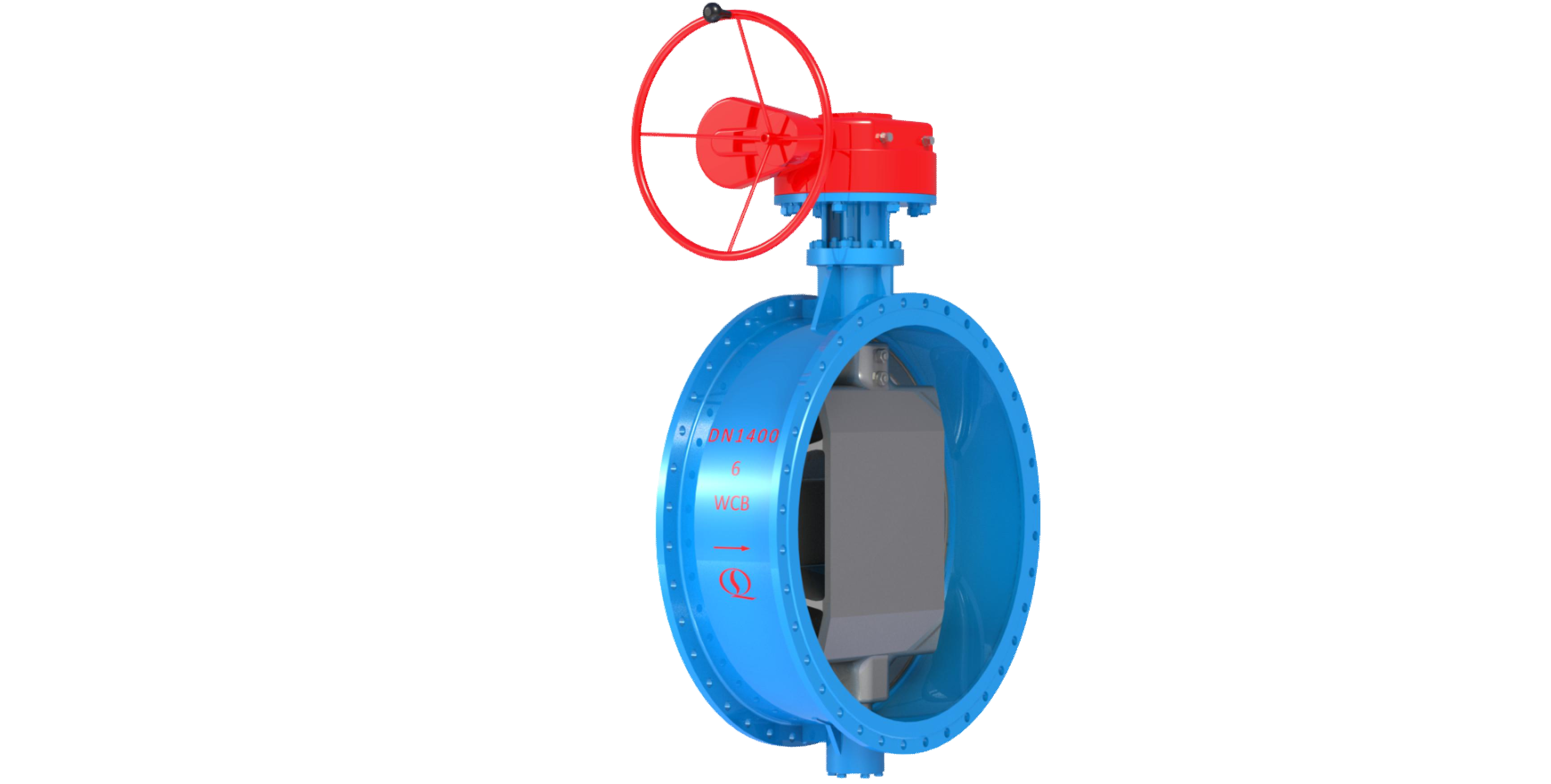
Bidirectional Metal Hard Sealed Seawater Butterfly Valve
Henan Quanshun Flow Control Science & Technology Co., Ltd.
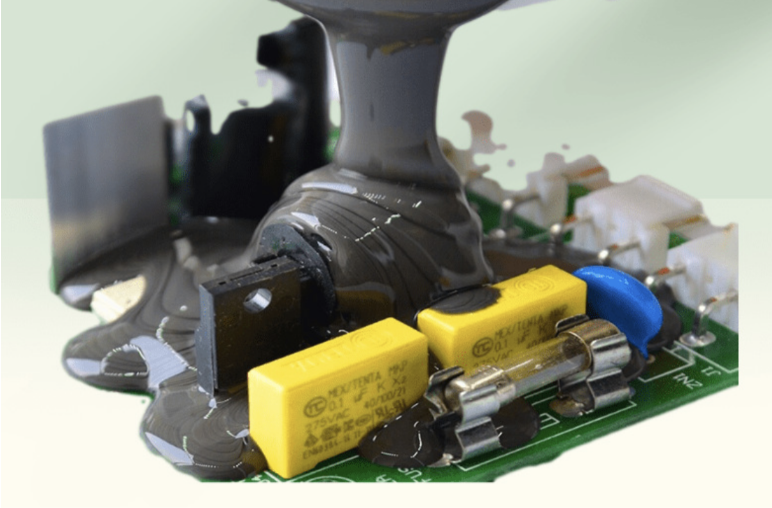
High Thermal Conductivity Encapsulating Resin
Nantong BESALL Sealing Technology Company.,Limited
Steel Pipes for Refining and Coal Chemical Industries
YANGZHOU LONTRIN ENERGY EQUIPMENT CO.,LTD.