Static Acceptance Begins for the Yibin–Kunming South Section of the Chongqing–Kunming High-Speed Railway in China
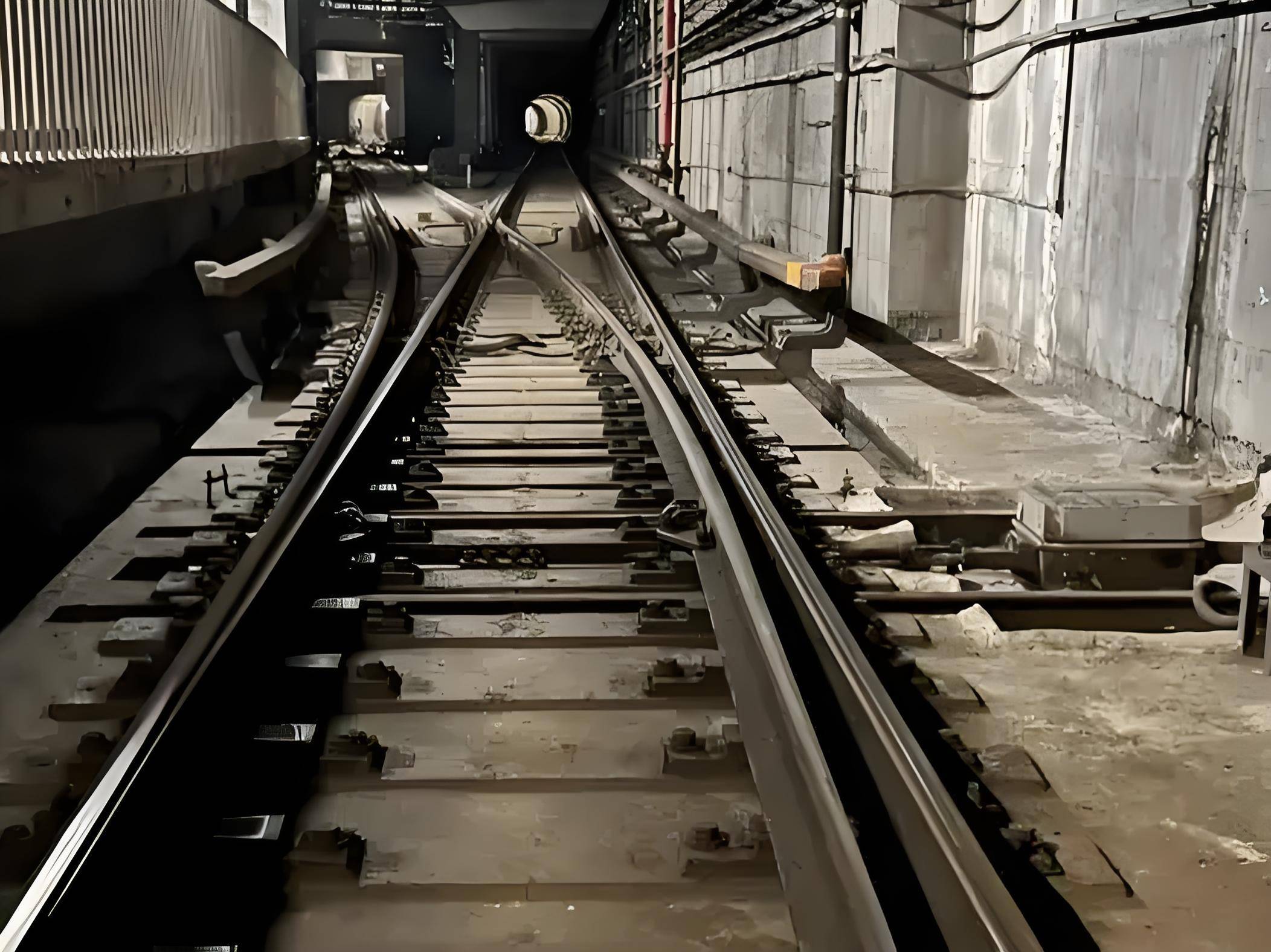
en.Wedoany.com Reported - On November 24, the Yibin–Kunming South section of the newly built Chongqing–Kunming High-Speed Railway officially entered the static acceptance stage. The section is approximately 492 kilometers long and has 12 stations. The main civil works, track laying, and station building renovation have been basically completed, and construction has shifted to the systematic acceptance of project quality and equipment and facilities.
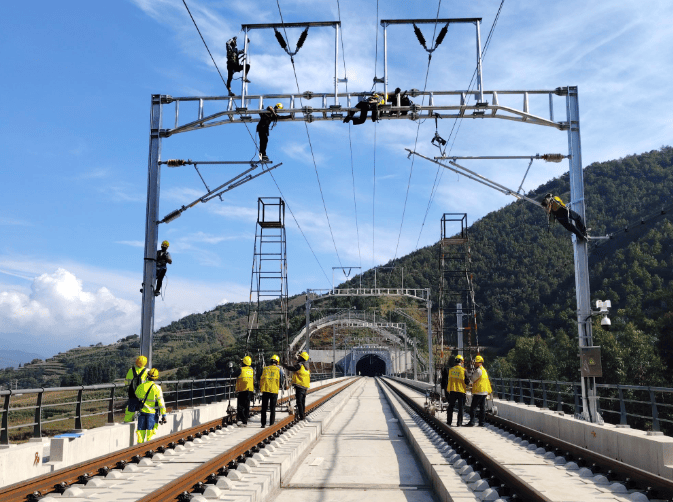
The Chongqing–Kunming High-Speed Railway is an important component of the Beijing–Kunming corridor of China's "Eight Vertical and Eight Horizontal" high-speed railway network. The line starts at Chongqing West Station, passes through Chongqing, Sichuan, and Guizhou, and ends at Kunming South Station in Yunnan, with a total length of approximately 700 kilometers and a design speed of 350 kilometers per hour. Among these, the Chongqing West–Yibin East section was opened to traffic on September 29, 2024, and the Yibin East–Yibin section was put into operation on December 26, 2023. The section now entering static acceptance is the Yibin–Kunming South section, which is also the remaining construction section of the entire line.
The Yibin–Kunming South section has 12 stations: Yibin, Gaoxian, Junlian South, Yanjin South, Yiliang North, Zhaotong East, Huize, Tianba, Xundian East, Songming, Changshui Airport, and Kunming South. The line crosses complex terrain such as the southern edge of the Sichuan Basin and the Yunnan–Guizhou Plateau. Geological conditions along the route are complex, and there are many bridges, tunnels, and high-risk engineering works.
Static acceptance is conducted before trains are put into operation. Acceptance units use professional instruments and testing equipment to inspect the line engineering, station building facilities, and related equipment systems, confirming whether the works have been completed in accordance with design requirements, whether construction quality meets standards, and whether equipment installation and commissioning meet acceptance requirements.
This acceptance will focus on high-risk engineering sections, including the Changshui Airport Tunnel passing beneath the airport flight area and the intersections between the railway and existing lines. The railway department will use big data, the Internet of Things, mobile applications, and intelligent technologies to carry out project quality inspections, establish a mechanism for problem identification, rectification, and closure, and prepare for the connection between subsequent acceptance and operation and maintenance.
According to the subsequent construction schedule, after static acceptance is completed, the project will enter the joint commissioning and testing stage, conducting comprehensive tests of the track, communication and signaling, traction power supply, and train operation systems. According to the previously announced construction plan, the Chongqing–Kunming High-Speed Railway is expected to be ready for operation in the first half of 2027. After the entire line is completed and put into operation, the railway travel time from Chongqing to Kunming is expected to be reduced to about 2.5 hours, and the travel time from Chengdu to Kunming, via the connection with the Chengdu–Yibin High-Speed Railway, is expected to be shortened to less than 3 hours.
Related Products
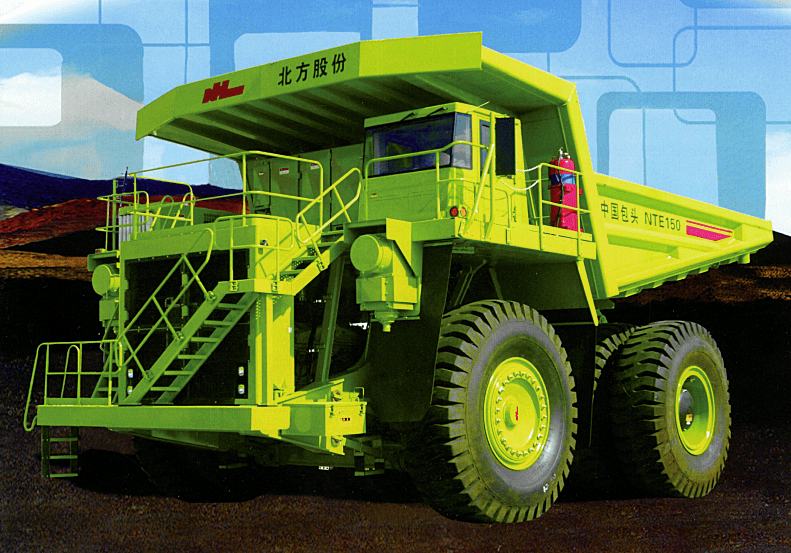

NTE150 Electric Drive Mining Dump Truck
Inner Mongolia North Heavy Industries Group Co., Ltd.
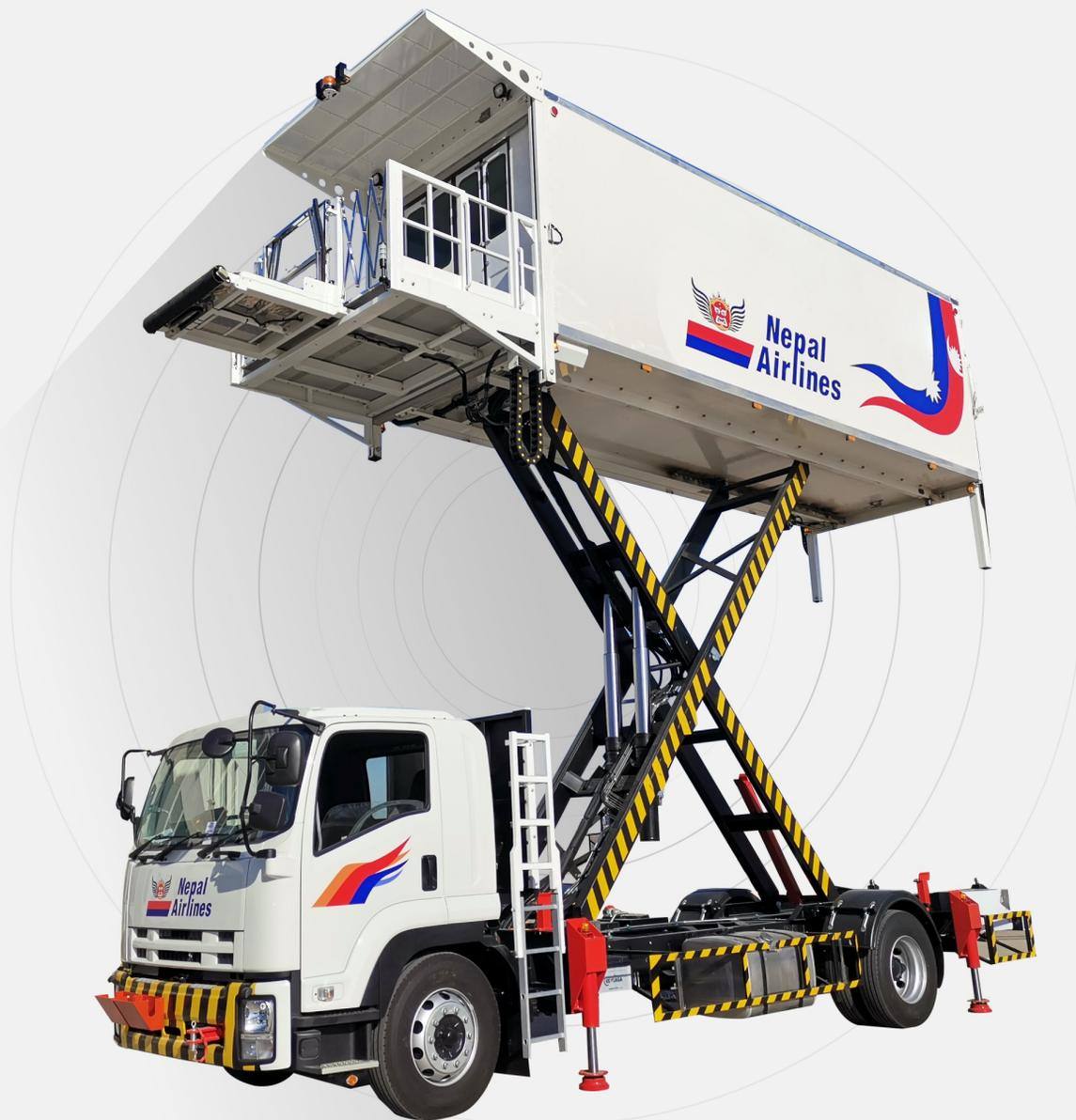
XC-6000e Type Aviation Catering Truck (Fuel Type)
Shenzhen CIMC-TianDa Airport Support Ltd.
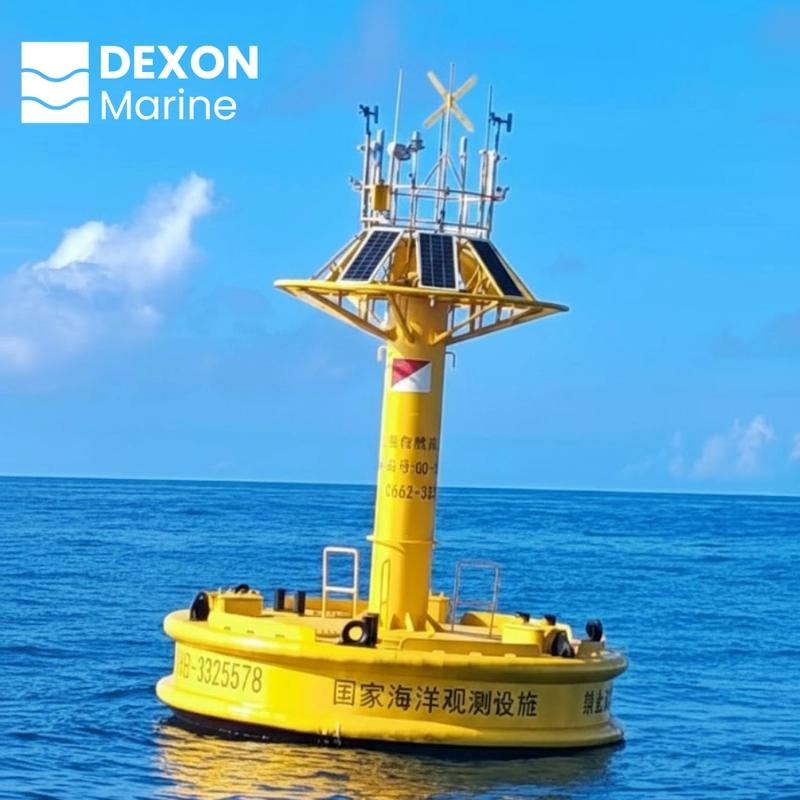
3m intelligent buoy combining navigation safety and real-time marine monitoring integrated navigation and marine monitoring system for real-time maritime data
Chengdu Dixin Technology Co., Ltd.
GSR6-27.5kV SF6 Free Gas-insulated Metal-enclosed Switchgear
Zhejiang Juhonkia Intelligent Electric Co., Ltd.