
Researchers have evaluated the potential of converting 15 weed species found in western Brisbane into biomass pellets that can be used as solid biomass fuel.
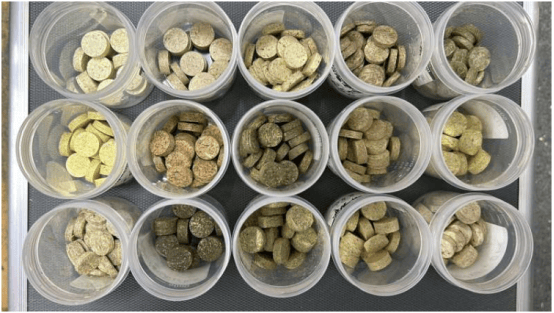
The lead author of the study, Dr. Bruno de Almeida Moreira from the Queensland Alliance for Agriculture and Food Innovation at the University of Queensland, stated that two vine-like plants—Solanum seaforthianum (Brazilian nightshade) and Asparagus asparagoides (bridal creeper)—were found to be suitable for cultivation. The research results have been published in the journal Sustainable Energy Technologies and Assessments.
Dr. Moreira noted that the international pellet market has historically focused on forest biomass, but Australian regulations classify wood pellets as non-renewable materials. Therefore, the team is working to identify alternative biomass sources capable of producing pellets of equivalent quality. These weeds have a lignin content of approximately 25%, comparable to the high lignin levels found in wood, making them competitive. The study also found that market-grade pellets can be produced, meaning some pathways for converting weeds into pellets can yield commercially viable biofuel.
These pellets are being produced by the Ipswich startup WorkEco and were supported by seed funding from the Australian Government’s Strategic University Reform Fund (SURF).
Co-author Associate Professor Sudhir Yadav, head of the AgriSustain Lab, said the work aims to reduce environmental impact and enhance sustainability in the agricultural sector. Agencies such as the Australian Renewable Energy Agency predict that bioenergy could meet 20% of Australia’s energy needs by 2050—an ambitious but achievable goal that requires substantial research to bridge the gap. The team is also exploring other low-value biomass and agricultural residues (such as crop straw, rice straw, wood chips, and animal manure) to convert into functional products, which could provide revenue streams for startups, solve problems for local governments, and reduce environmental burdens.
However, Dr. Yadav also noted that this work is far from complete. The team still has many weed species to test, and from a sustainability perspective, the number of environmental weeds is limited, so supply will ultimately become an issue. Currently, the team is also considering other potential biomass sources, such as green waste collected by municipal departments and households, and even large-scale crops like sorghum.