
Scientists have highlighted in a commentary published in CABI’s One Health journal the urgent need for aflatoxin control strategies in Pakistan’s feed supply chain to improve animal health, boost productivity, ensure food safety, and promote exports of animal products.
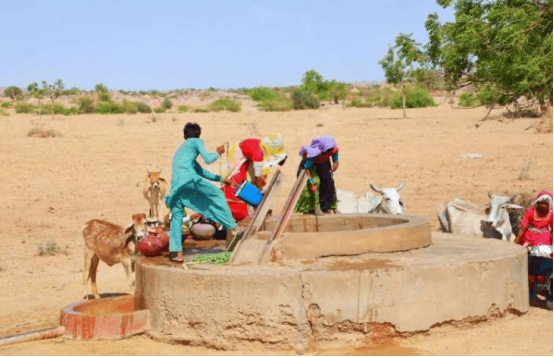
Livestock plays a crucial role in Pakistan’s economy, contributing 60.84% to the overall agricultural sector and 14.36% to GDP in 2024. However, due to improper storage and handling, aflatoxins (toxic metabolites produced by certain fungi) are frequently detected in animal feed. These toxins not only harm animal health but also transfer to humans through contaminated milk, meat, and eggs, posing serious public health risks.
Dr. Abira Umar, Project Coordinator at CABI Pakistan and the commentary author, stated that despite the sector’s importance, animal feed quality has long been neglected. The review synthesizes national and international research, focusing on the prevalence of aflatoxins in livestock feed and their residues in food products. It examines regulatory standards, identifies major compliance gaps in Pakistan, and evaluates various control strategies—from pre-harvest interventions and proper storage to the use of mycotoxin binders and regular feed monitoring.
The findings are concerning: many feed samples frequently exceed permissible aflatoxin limits. Aflatoxin effects depend on exposure levels and other factors, ranging from acute to chronic health issues, including genotoxicity, hepatotoxicity, neurotoxicity, carcinogenicity, and reproductive effects. Chronic low-dose exposure in livestock leads to stunted growth, reduced yields (eggs or milk), carcinogenicity, immunosuppression, and conditions such as small and unhealthy calves at birth, acute mastitis, rectal prolapse, and hair loss. In children consuming aflatoxin-contaminated milk, issues include growth impairment, wasting, immunosuppression, and liver damage.
In Pakistan and other developing countries, milk is the primary source of public exposure to aflatoxins. Raw milk sold through informal market channels is difficult to monitor. Dr. Umar emphasized that raising farmers’ awareness of aflatoxins is essential to encourage their active participation in mitigation efforts.
The scientists cited relevant case studies. A study in Quetta from 2009–2010 examined diseased and dead poultry, finding an 8.78% prevalence of aflatoxicosis in broilers, with postmortem lesions including carcass congestion and edema, liver lesions, kidney swelling, and atrophy of the bursa and thymus. A 2011 study assessed feed quality from 10 commercial feed mills for layers and broilers, detecting aflatoxins exceeding limits in 40 out of 100 samples (50 layer and 50 broiler feeds).
However, the scientists noted several measures can limit aflatoxin exposure and intake. Adding safe, low-cost adsorbents to remove aflatoxins from silage before mixing into animal feed reduces bioavailability and minimizes toxic metabolites in animal products. Implementing Good Agricultural Practices (GAP) at the farm level is vital to reduce aflatoxin production, with key recommendations including optimal harvest timing (a critical factor for Aspergillus growth) and supplementation with vitamins A, D, E, K, and B to bind toxins and mitigate effects.
Dr. Umar concluded that despite numerous challenges in the livestock feed sector, significant opportunities exist to promote successful and healthy livestock production in Pakistan. While multiple studies have documented the presence and impacts of aflatoxins, there is an urgent need for more standardized, widespread monitoring and data collection. Although mitigation strategies exist, their application remains limited due to lack of awareness, cost constraints, and inadequate infrastructure.
The scientists emphasized that ensuring toxin-free feed will enhance livestock productivity, reduce public health risks, increase export potential for animal-origin products, and ultimately support national food security and economic growth.