
A research team led by the University of Missouri has discovered that the chemical composition of poplar lignin naturally varies with the latitude of growth. This study, conducted in collaboration with Oak Ridge National Laboratory and the University of Georgia, was published in the Proceedings of the National Academy of Sciences of the United States of America, providing new directions for biomass conversion technologies.
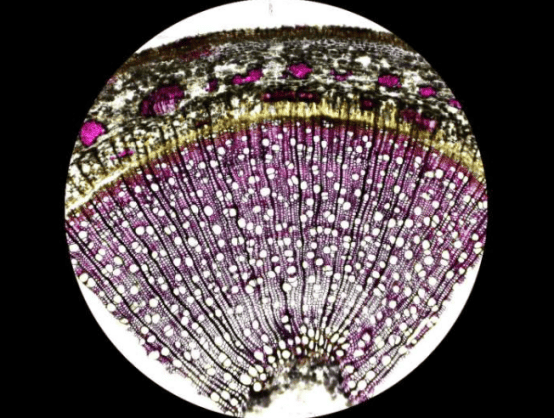
Lignin is a natural macromolecular compound found in plant stems and roots, playing a role in maintaining structure and defending against environmental stresses. The research team analyzed 430 samples of Populus trichocarpa (black cottonwood) collected from different latitude regions in western North America and found that trees growing at lower latitudes exhibit a significantly higher ratio of syringyl to guaiacyl units (S/G ratio) in their lignin. This variation in lignin composition directly affects the processing characteristics of plant biomass.ta
Jaime Barros-Rios, Assistant Professor of Plant Molecular Biology at the University of Missouri, stated: "Lignin serves the dual function of acting as both an adhesive and a protective armor. Understanding its formation mechanisms helps improve biomass conversion efficiency and enhance the competitiveness of biorefineries." Through genome analysis and 3D protein modeling, the researchers identified that the key mutations controlling the S/G ratio are located in the non-active center region of laccase proteins.
The first author of the study and postdoctoral researcher Zhu Weiwei pointed out: "The S/G ratio reflects the proportional difference between the two main lignin monomers, and this difference impacts the production processes for biofuels." During the research, the team unexpectedly detected trace amounts of C-lignin, a special type of lignin typically found only in the seeds of plants such as vanilla, which has a simpler chemical structure and is easier to degrade industrially.
Currently, the research team is using genetic engineering techniques to attempt to increase C-lignin content in poplar and soybean. This lignin research holds promise for advancing the industrialization of renewable materials such as bioplastics and biofuels, providing technical support for a sustainable bioeconomy.