
Researchers at Oak Ridge National Laboratory (ORNL) have overcome a key obstacle by using a more economical dry process to manufacture lithium-ion batteries for automobiles and electronic devices. These batteries can deliver higher current and reduce the risk of overheating. Their paper was published in the Journal of Power Sources.
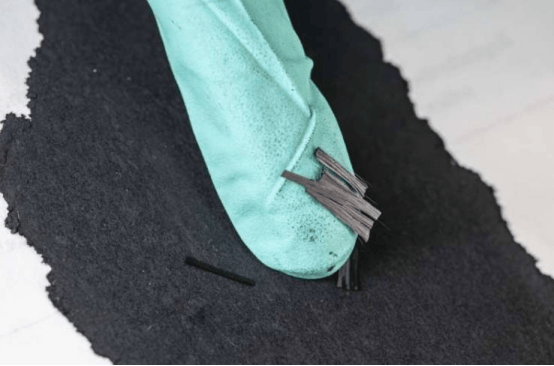
Dry processing is a method of manufacturing electrode films without the use of wet organic solvents, thereby avoiding increases in factory floor space, time, energy, waste treatment, and start-up costs. However, films produced by dry processing are prone to tearing. To solve this problem, ORNL researchers added long carbon fibers and tested coin cells made with this material. They found that the resulting films were stronger and more flexible. The long fibers improved the mechanical strength of the material while further enhancing electron transport, enabling faster charge and discharge rates.
Scientist Jaswinder Sharma said that although others have tried nanoscale carbon fibers, Oak Ridge National Laboratory is the first institution to use long carbon fibers. The chemical cost savings will exceed the price of the fibers, which account for only 1% of the carbon fiber weight.
He said: "We believe this is the next step toward bringing dry electrodes closer to widespread application. By eliminating expensive solvents and simplifying the manufacturing process, this approach can help U.S. battery manufacturers compete more effectively in the global market."