
The Canadian government is considering approving gene-edited pigs for entry into the food system. If approved, these pigs would become the first gene-edited food animals to reach the Canadian market. This move has triggered widespread discussion on the regulation of gene-edited animals, public participation, and other related issues.
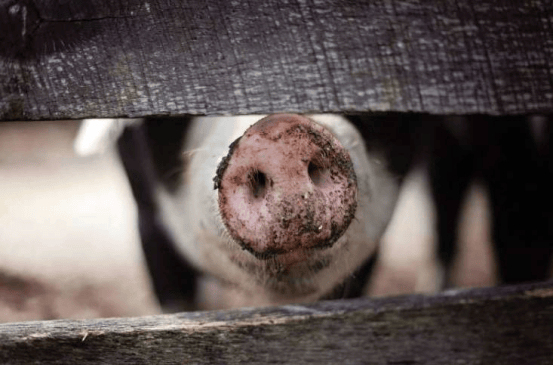
Gene-Edited Pig Characteristics and Background
The gene-edited pigs in question were developed using CRISPR gene-editing technology, which allows precise and efficient genetic changes without introducing foreign genetic material. They are resistant to Porcine Reproductive and Respiratory Syndrome (PRRS), a devastating and sometimes fatal disease that affects the global pig industry and has significant impacts on the economy, food safety, and animal welfare. Previously, the U.S. Food and Drug Administration (FDA) has approved the commercial production of gene-edited pigs, and whether Canada will follow suit is drawing close attention.
Previous Cases of Gene-Edited Animal Approvals in Canada
Canada has precedents in approving gene-edited animals. In 2016, Canada approved the first genetically modified animal for human consumption — the AquAdvantage Atlantic salmon, which contains DNA from other fish species. However, the fish faced strong public opposition on both sides of the border during its approval and commercialization process, including protests, supermarket boycotts, and court battles. In 2024, the production company announced it was ceasing operations. In 2012, Canada approved the production of the "EnviroPig," a genetically modified pig developed by scientists at the University of Guelph that released 60% less phosphorus than conventionally raised pigs. However, the project was suspended due to consumer concerns and other reasons, and the University of Guelph terminated the project in the same year.
Regulatory Disputes over Gene-Edited Animals
There are differing views on the regulation of gene-edited animals. Some researchers argue that gene editing introduces genetic changes that could occur in traditional animal breeding and are not regulated. Since gene-edited crops in Canada are treated the same as traditionally bred crops, regulation of gene-edited animals should be much more lenient than for transgenic technology. Others insist that strict government regulation is crucial to identify potential problems and ensure that laws keep pace with industry and scientific goals, playing a key role in reducing risks, encouraging public participation, and building trust. Social science research shows that public resistance to biotechnology does not stem from a lack of knowledge, but from the rejection of potential harms imposed by government and industry without public participation and consent.
Current Regulatory and Public Participation Situation in Canada
Canada does not have specific regulations for gene technology. The federal government relies on existing environmental and food safety regulations and adopts a risk-based, novelty-based, and product-based approach to assess animal biotechnology, believing that differences in the technical process are less important than the safety of the final product. Recently, the Canadian government updated federal environmental and health regulations to mandate public consultation for vertebrates developed using biotechnology. However, public participation is limited to short-term consultations and only considers scientific information regarding potential risks of animal biotechnology to human health or the environment. Comments involving ethical, moral, cultural, or political issues are not considered. Currently, regulatory and academic debates on animal gene editing are mainly dominated by scientists and industry supporters, with limited input from the public, Indigenous communities, and researchers in social sciences and humanities.
Issues to Be Addressed and Opportunities for Public Participation
From a societal perspective, the gene-editing assessment process is as important as the safety of the final product. Inclusive public participation is crucial to ensure that the production of gene-edited food animals meets societal needs and values. Currently, for gene-edited pigs, the public can submit comments to the government before July 20, 2025. Canada's previous experience with biotechnology food animals shows that a lack of inclusive participation may lead to public rejection of animal biotechnology. At the same time, several important questions urgently need to be addressed, such as who will benefit from gene-editing technology, who will bear the costs and harms, what the potential impacts are, and how the decision-making process can ensure full participation of Canadians.