
A team of researchers at Nanyang Technological University in Singapore has developed a process that uses solar panel glass waste as a raw material for the cathode in solid-state lithium metal batteries. The related research was published in the journal Resources, Conservation and Recycling under the title "Repurposing End-of-Life Solar Waste for Solid-State Lithium Metal Batteries."
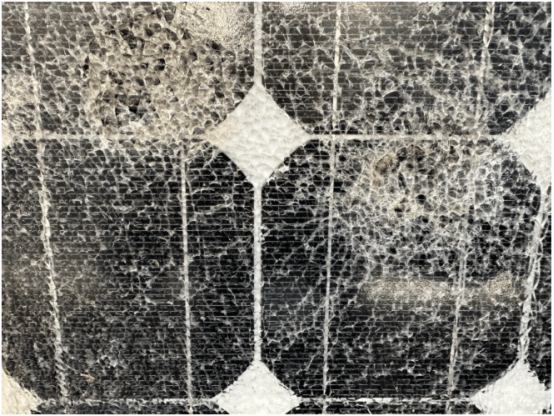
The researchers ground the broken solar glass waste into nanoparticles and processed them into functional inorganic fillers in poly(ethylene oxide)-based (PEO) solid polymer electrolyte (SPE) materials. The resulting SPE exhibited higher electrochemical stability and ionic conductivity. Batteries made with SPE containing 2 wt% glass nanoparticles retained a capacity of 123.07mAh g⁻¹, an 8.3% improvement over the reference value.
To make the recycling of end-of-life (EoL) solar panels more economically attractive and sustainable, researchers have been studying ways to upgrade and transform waste materials into high-value products while minimizing high-temperature processing. In this study, they proposed reusing glass in energy storage applications, noting that glass is the heaviest component of EoL panels and lacks valuable upcycling recycling applications.
Corresponding author Yeow Boon Tay told pv magazine that the study shows the significant potential of waste solar glass from end-of-life solar panels in the energy storage sector, especially as a functional additive in solid polymer electrolytes (SPE). Traditional solar glass recycling methods are usually energy-intensive and economically unfeasible. By directly reusing or upcycling solar glass into functional nanomaterials, this work promotes a more sustainable and circular approach, connecting the solar and energy storage industries.
To separate solar glass from photovoltaic modules, the team used solvent soaking and wire-cutting techniques to avoid high-energy thermal treatment methods for removing ethylene vinyl acetate (EVA) encapsulant materials. The broken glass was then ground to approximately 300 nanometers using a ball-milling process without the need for toxic chemicals. The study showed that these nanoparticles were incorporated as fillers into the commonly used SPE material poly(ethylene oxide) (PEO).
Boon Tay stated that the method uses a simple and direct physical approach to convert waste solar glass into nanoparticles, avoiding chemically intensive synthesis routes. Compared with traditional inert filler production methods, it significantly improves cost-effectiveness and energy consumption. Using recycled glass as a raw material also reduces the overall carbon footprint and enhances sustainability.
The research team found that the glass-modified SPE exhibited higher electrochemical stability and improved ionic conductivity. The report noted that the ionic conductivity of pure PEO with LiTFSI (lithium salt) SPE at room temperature was 9.66×10⁻⁶S/cm, which increased to 1.10×10⁻⁵S/cm after adding 2wt% glass nanoparticles.
The researchers fabricated lithium metal batteries using the resulting SPE and evaluated their performance. The results showed that SPE containing glass nanoparticles had excellent cycling stability. After 80 cycles, the reference sample's specific capacity dropped to 113.60mAh g⁻¹, while the sample containing 2wt% glass nanoparticles still maintained a capacity of 123.07mAh g⁻¹, representing an 8.3% improvement in specific capacity. They concluded that these findings highlight the potential of repurposing solar panel glass waste as functional nanomaterials for SPE applications.
When asked about next steps, Boon Tay said the focus is on developing low-impact methods to recycle and reuse high-quality materials from end-of-life solar panels, especially for energy storage applications. In addition to this study, the team has also developed a low-temperature process to upgrade recycled silicon into lithium-ion battery anodes, supporting a more circular and sustainable renewable energy ecosystem.