
A new study from The University of Texas at Dallas shows that shifting electricity consumption to periods when the grid has more alternative energy supply can significantly reduce carbon dioxide emissions.
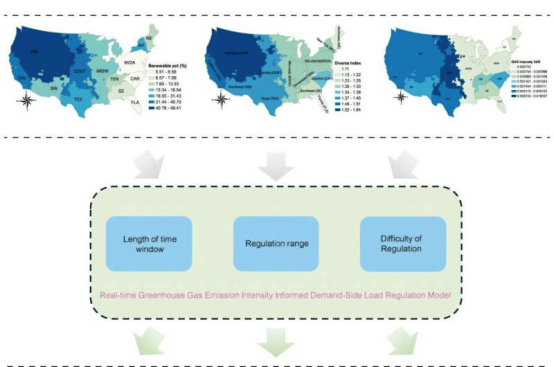
Engineers from the university, in collaboration with researchers from Harvard University and Nantong Artificial Intelligence Company, developed a new model. The model optimizes electricity usage timing based on the availability of alternative energy on the grid, thereby reducing carbon emissions (a component of greenhouse gas emissions) to a greater extent. The study was published in the May 23 issue of the journal Cell Reports Sustainability.
Dr. Jie Zhang, Associate Professor of Mechanical Engineering at the Erik Jonsson School of Engineering and Computer Science and corresponding author of the paper, focuses on optimizing energy use to improve the resilience and reliability of energy systems. Dr. Zhang stated that using real-time data on greenhouse gas emissions can provide decision-making information for utility companies and consumers, helping to reduce emissions.
Power grids across the United States rely on a variety of energy sources, including wind, solar, hydropower, nuclear, natural gas, and coal. The contribution of each energy source to a specific grid (the interconnected network that delivers electricity from power plants to consumers) fluctuates due to factors such as time, season, weather conditions, and geographic location. For example, hydropower accounts for approximately 30% of electricity sources in the Northwest region.
Dr. Zhang said that power grids typically prioritize carbon-free alternative energy sources and then turn to other sources such as natural gas and coal to meet electricity demand.
The researchers found that when consumers align their electricity usage with periods of higher alternative energy supply on the grid, they can use the same amount of electricity without increasing carbon emissions. For instance, the grid may draw more power from wind energy at night, so using a washing machine at that time — rather than during afternoon peak hours when the grid relies on fossil fuel generation — helps reduce carbon emissions. Dr. Zhang noted that shifting laundry time from peak load periods to off-peak periods can benefit the grid in multiple ways and reduce greenhouse gas emissions.
Traditionally, efforts to reduce carbon emissions have focused on increasing alternative energy supply, but this study shows that changes on the demand side can also make a significant contribution.
The researchers developed models for three different scenarios based on differences in power supply source structures across various regions of the United States and found that regions rich in renewable energy have the greatest emission reduction potential.
The study also shows that when suppliers incorporate electricity supply and consumption patterns over a full year (rather than shorter periods) into their planning, greater carbon emission reductions can be achieved. For example, California can achieve up to 33% carbon emission reduction by adopting an annual optimization approach. This means that if the state reduces carbon emissions by 10%, using this model could increase the reduction to more than 13%. This figure is based on consumers shifting 5% of their electricity consumption to periods with lower greenhouse gas intensity.
Dr. Zhang stated that implementing emission reduction models requires utility companies to inform customers about the time periods when electricity is primarily generated from alternative energy sources. Other researchers from The University of Texas at Dallas involved in the study include first author and mechanical engineering PhD student Honglin Li, and Dr. Soroush Senemmar.