
Researchers at Worcester Polytechnic Institute in the United States have recently developed a new type of building material called enzymatic structural material, with related findings published in the high-impact journal Matter. This material is made using an enzyme that converts carbon dioxide into solid mineral particles, curing within hours, and absorbs more carbon from the atmosphere than the carbon emissions generated during its production process.
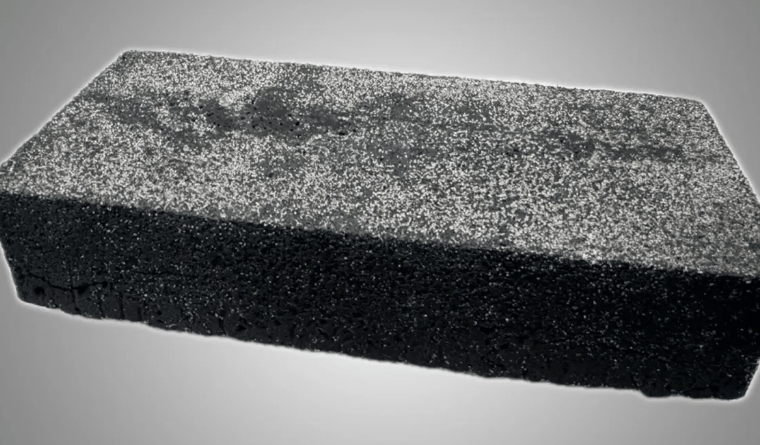
The project is led by Nima Rahbar, the Ralph H. White Family Distinguished Professor and Chair of the Department of Civil, Environmental, and Architectural Engineering. The research team used enzymes to convert carbon dioxide into solid mineral particles, bonding and curing them into shape under mild conditions. Producing one cubic meter of this material can sequester more than 6 kilograms of carbon dioxide, whereas traditional concrete produces about 330 kilograms of carbon dioxide per cubic meter.
Nima Rahbar stated: "Concrete is the most widely used building material globally, and its production process accounts for nearly 8% of total global carbon dioxide emissions. Our team has developed a practical and scalable alternative that not only reduces emissions but also effectively sequesters carbon." The material combines properties such as rapid curing, adjustable strength, and full recyclability, making it suitable for roof panels, wall boards, and modular building systems. The material is also repairable, helping to reduce long-term construction costs and minimize waste generation.
In addition to standard construction applications, the material can be used for affordable housing, climate-resilient infrastructure, and post-disaster reconstruction. Lightweight and rapidly producible components can help speed up rebuilding efforts following extreme events. Nima Rahbar noted that even if only a small fraction of the global construction industry shifts to using such carbon-negative materials, the impact could be immense.
Journal Reference: Authors: Shuai Wang, Pardis Poorhagh, Dalton Vassallo, Sara Heidarzadeh, Susanna Scarlata, Nima Rahbar. Title: "Durable, Strong Carbon-Negative Enzymatic Structured Materials via Capillary Suspension." Published in: Matter, 2025; 102564.