
Researchers at Pacific Northwest National Laboratory (PNNL) have developed a weakly solvating electrolyte that enables high-voltage sodium-ion batteries to retain 80% of their initial capacity after 500 cycles, outperforming conventional carbonate-based electrolytes and localized high-concentration electrolytes.
"Developing alternative battery systems based on earth-abundant elements is becoming increasingly important," the researchers stated in their study published in the journal Nano Energy. Sodium is the sixth most abundant element in the Earth's crust, chemically similar to lithium but far more abundant. Sodium-ion batteries are therefore considered a preferred option for next-generation energy storage technology.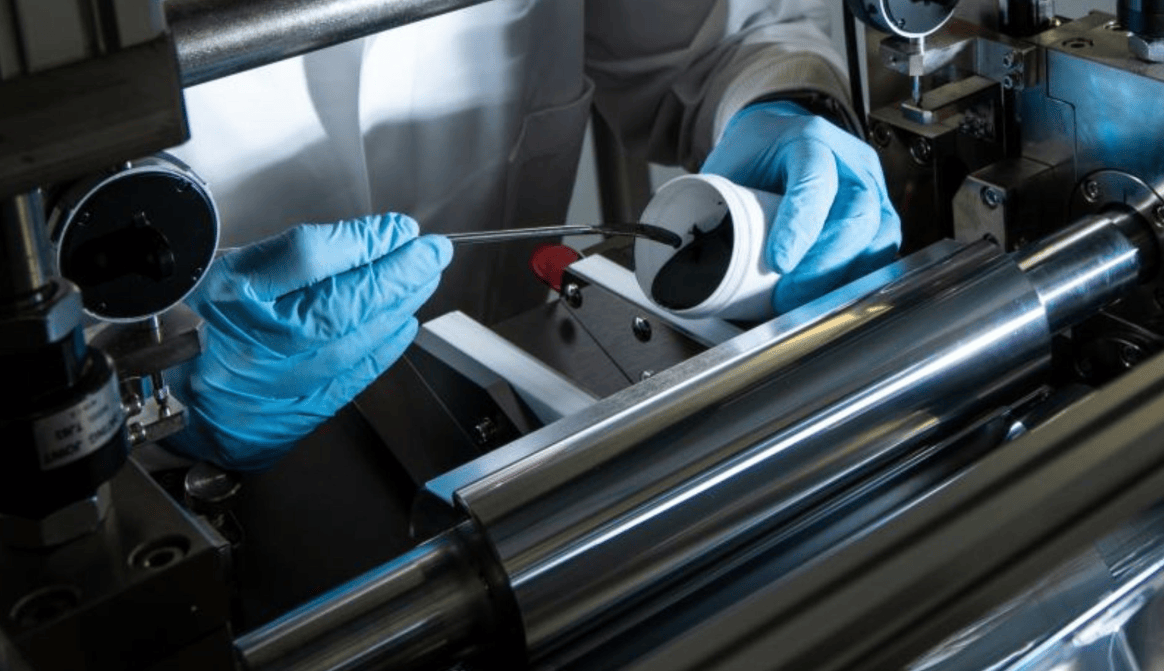
The key to this electrolyte design lies in adopting an intermediate solvation structure, using weakly solvating tris(2,2,2-trifluoroethyl) phosphate (TFP) to replace conventional diluents, resulting in weaker binding forces between sodium ions and solvent molecules. This adjustment yields a dual effect: sodium ions can shed solvent molecules more quickly upon reaching the electrode surface, while simultaneously reducing the opportunity for solvent molecules to participate in side reactions at the interface.
First author An L. Phan explained: "This novel electrolyte represents a new strategy for tuning the sodium solvation structure, which can promote favorable reactions and suppress unwanted ones." Electrochemical tests were conducted under constant temperature conditions of 30 degrees Celsius, with the experimental system using sodium hexafluorophosphate and sodium bis(fluorosulfonyl)imide salts.
The researchers also performed post-cycling analysis after 50 cycles, evaluating electrode conditions via scanning electron microscopy and energy-dispersive X-ray spectroscopy. The results showed that when paired with a sodium nickel manganese iron oxide cathode and a hard carbon anode, the new electrolyte effectively enhanced high-voltage interfacial stability and reduced leakage current. The electrodes were fabricated by coating a slurry containing binders such as polyvinylidene fluoride, sodium carboxymethyl cellulose, and styrene-butadiene rubber onto aluminum foil. Nuclear magnetic resonance spectroscopy further validated the design effect of the solvation structure.
This research provides a new material pathway for the long-term stable operation of sodium-ion batteries under high-voltage conditions, contributing to the advancement of low-cost, sustainable energy storage technologies.