
In the global wave of transition to clean energy, nickel—a core raw material for stainless steel and power batteries—has become more important than ever. However, high-grade nickel sulfide resources are increasingly depleted, while vast nickel resources in low-grade ultramafic rocks have long remained "dormant" due to the high cost and heavy pollution of traditional extraction methods. On June 15, 2026, a research team from the University of Toronto published a breakthrough in Communications Engineering, a journal under Nature, reporting a new low-temperature, solid-state-dominated nickel extraction process that successfully and efficiently extracts nickel from ultramafic ores, providing a sustainable technological pathway to unlock approximately 45 million tons of undeveloped nickel resources globally.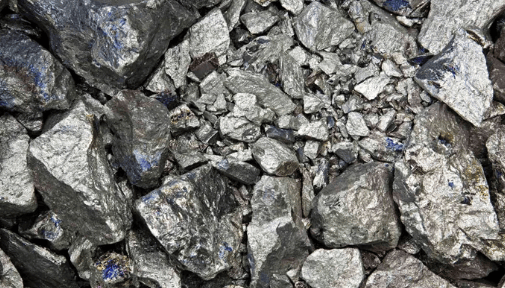
The Dilemma of "Rich Ore, Poor Use" in Ultramafic Rocks
Ultramafic rocks, rich in magnesium and iron silicate minerals, have long been considered important hosts for nickel deposits. However, their complex mineralogical characteristics and refractory nature make traditional extraction methods costly, inefficient, and environmentally challenging.
The dilemma of traditional processes:
Pyrometallurgical route: Requires smelting the entire magnesium-silicate-containing ore, resulting in extremely high energy consumption and significant SO₂ emissions
Hydrometallurgical route: Relies on harsh chemical reagents such as strong acids, leading to high waste liquid treatment pressure and a heavy environmental footprint
As global nickel demand accelerates due to the expansion of electric vehicles and renewable energy storage technologies, developing environmentally friendly extraction strategies for low-grade nickel ores has become an urgent need to ensure the stability and sustainability of the global nickel supply chain.
Three Breakthroughs of the Low-Temperature Solid-State Process
Researchers from the Department of Materials Science and Engineering at the University of Toronto—Wei Lv, Fanmao Wang, Brian Makuza, and others (corresponding author Fanmao Wang)—developed this innovative process with funding from Vale Base Metals and the Natural Sciences and Engineering Research Council of Canada. The process has been validated at the mini-plant scale, with core innovations reflected in three aspects:
Low-Temperature Solid-State Reaction: Farewell to High-Energy Smelting
Traditional processes require heating the ore to a molten state, while the new process operates at temperatures below 950°C, dominated by solid-state reactions. By precisely controlling the temperature, atmosphere, and iron addition within the reactor, favorable thermodynamic conditions are created to achieve selective nickel migration.
Process parameters:
Processing time of only about 3 hours
Operating temperature below 950°C, far lower than traditional smelting temperatures
Inexpensive Iron Powder as "Nickel Scavenger": The Core Weapon for Selective Separation
The most ingenious innovation of this process lies in the use of inexpensive metallic iron powder as a "nickel scavenger." During heat treatment, nickel migrates from the sulfide phase into metallic nickel-iron particles, forming a nickel-iron alloy with a nickel content of 16-24%.
Dual effects of selective separation:
Nickel enters the alloy phase: Nickel is selectively enriched into magnetic nickel-iron alloy particles
Sulfur is stably immobilized: Sulfur is effectively "sequestered" as a stable solid sulfide phase, completely avoiding SO₂ emissions
By controlling the size and morphology of the alloy particles, efficient magnetic separation from gangue minerals can be achieved.
A Complete Pathway from "Rock" to "Battery-Grade Nickel"
The extracted nickel-iron alloy can be further processed into battery-grade nickel through conventional refining processes. This means the technology is not an isolated laboratory concept but is compatible with existing industrial systems, offering a complete industrialization pathway from ore to end product.
Reshaping the Global Nickel Supply Chain Landscape
Unlocking 45 Million Tons of "Dormant" Resources
It is estimated that global ultramafic ores contain approximately 45 million tons of undeveloped nickel. This figure represents a significant proportion of the world's proven nickel reserves. This technology opens the door to commercializing these resources, long considered "economically unviable."
Green and Low-Carbon: Clean Metallurgy with Zero SO₂ Emissions
One of the biggest environmental pain points of traditional nickel smelting is SO₂ emissions. The new process eliminates SO₂ emissions at the source by stably immobilizing sulfur in a solid sulfide phase. Additionally, low-temperature operation significantly reduces energy consumption, aligning closely with the global trend of decarbonizing metal production.
Economic Advantages: Fast, Low-Cost, and Scalable
Rapid processing: A processing cycle of about 3 hours significantly improves production efficiency
Low-cost raw materials: Uses inexpensive iron powder as a scavenger, without relying on precious metals
Modular design: Validated at the mini-plant scale, adaptable to various operational scales from pilot to full-scale mines, and can also be used to retrofit existing facilities
Strategic Value: Alleviating Global Nickel Supply Constraints
Nickel is a foundational material for lithium-ion battery cathodes, and supply constraints directly impact the adoption of electric vehicles and the progress of the clean energy transition. By unlocking previously uneconomical nickel resources, this technology has the potential to alleviate global nickel supply bottlenecks, offering profound strategic significance for securing critical mineral supply chains and stabilizing the new energy vehicle industry chain.
Empowering the Entire Value Chain from Mine to Battery
Mining end: This technology can be directly deployed in the beneficiation stage of ultramafic nickel mines, upgrading low-grade ore in situ to high-grade nickel-iron alloy, significantly reducing subsequent transportation and smelting costs.
Metallurgical end: The extracted nickel-iron alloy can be used to produce battery-grade nickel sulfate through existing refining processes, forming a seamless connection with downstream hydrometallurgical processes, improving leaching efficiency and reducing acid consumption.
Recycling end: The solid-state reaction principle of this technology also offers new ideas for the recycling of nickel resources, with potential future applications in the recovery of spent batteries and nickel-containing waste materials.
From high-energy smelting to low-temperature solid-state extraction, from substantial SO₂ emissions to sulfur-free emissions, from "unmineable" to "economically viable"—this research by the University of Toronto team provides a new technological paradigm for the sustainable development of global nickel resources. As the global demand for nickel continues to rise in the clean energy transition, this innovative process to "unlock the value of nickel in ultramafic rocks" may well be the "key" to ensuring the security of the global nickel supply chain.