
On July 5, the evaluation meeting for the scientific and technological achievement "Key Technologies and Equipment for Efficient Conversion of Agricultural and Forestry Biomass for the Creation of High-Value Functional Carbon-Based Materials," led by the Hefei Comprehensive National Science Center Environmental Research Institute, was successfully held in Hefei. The evaluation committee, composed of academicians from the Chinese Academy of Sciences and Chinese Academy of Engineering, as well as renowned experts, concluded after inquiries and discussions that the project's outcomes have generally reached an internationally advanced level, with the one-step catalytic conversion of biomass to biochar achieving a world-leading status. This marks the full maturity of China's technology for efficiently producing biochar from agricultural and forestry biomass resources, now realized at a large scale.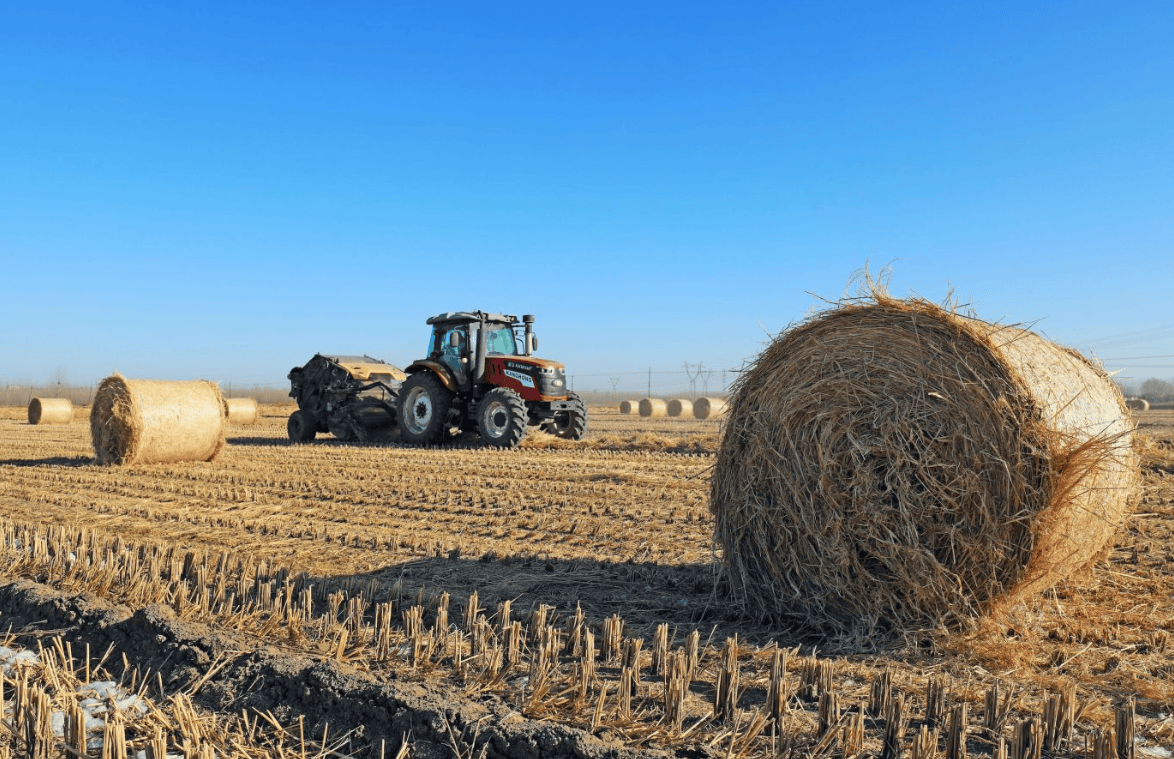
"China is a major agricultural country, and its abundant and diverse agricultural and forestry biomass represents both a valuable energy source and a precious resource. The goal of our project's research and development is to achieve high-value utilization of this biomass, not only to replace fossil fuels such as oil and coal, providing technical support for the national 'dual carbon' goals, but also to enable the high-value utilization of these natural carbon resources," said Xing Xianjun, Deputy Director of the Hefei Comprehensive National Science Center Environmental Research Institute and project leader, in an interview.
Xing Xianjun explained that after more than a decade of research, the project team invented a dry one-step catalytic conversion technology for producing biochar from biomass, achieving efficient biochar production. This technology addresses bottlenecks in traditional biomass carbonization methods, such as low yield, poor quality, high energy consumption, environmental pollution, and the inability to achieve large-scale industrial production.
"We created a series of green and efficient carbonization catalysts for biomass, developed a catalyst system centered on potassium/sodium salts, and solved bottlenecks such as low carbon yield and excessive bio-coke byproducts in biomass catalytic conversion, enabling large-scale biochar production," Xing Xianjun told reporters. Through continuous research and repeated optimization, the project team developed a new high-pressure carbonization device, effectively overcoming technical challenges in biomass carbonization, including low material bulk density, poor heat and mass transfer between materials, small production scale, and low conversion rates. "Currently, the annual output of biochar from a single high-pressure carbonization device can exceed 50,000 tons," Xing Xianjun said.
"On this basis, we also developed functionally diverse new biochar-based materials and applied them in fields such as energy storage, environmental adsorption, and catalysis, broadening the application scope of biomass carbon materials and promoting the green transformation and high-quality development of biomass-related industries," Xing Xianjun stated. The achievements have been promoted and applied in multiple regions, including Hefei, Wuhu, Tongling, and Bozhou in Anhui Province; Baoshan in Yunnan Province; Liangping in Chongqing; Naiman Banner in Inner Mongolia; and Qianyang in Shaanxi Province, yielding significant economic, social, and environmental benefits. He also revealed that a project to produce green aviation kerosene from biochar to replace petrochemical aviation fuel is rapidly advancing in Bozhou, Anhui.