

Product Introduction
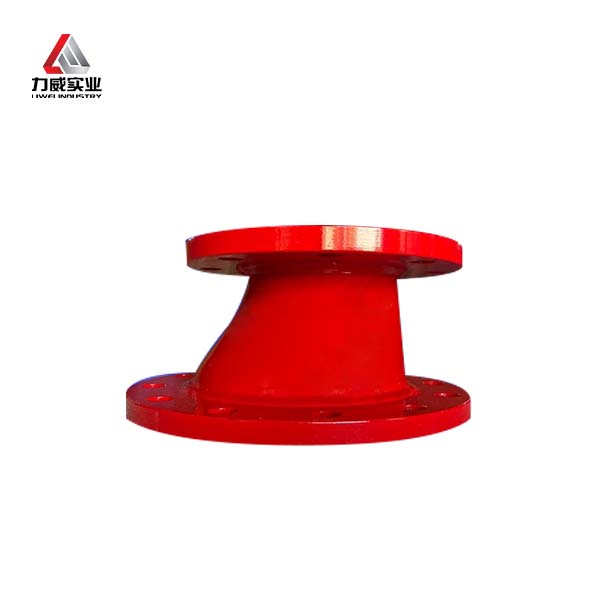
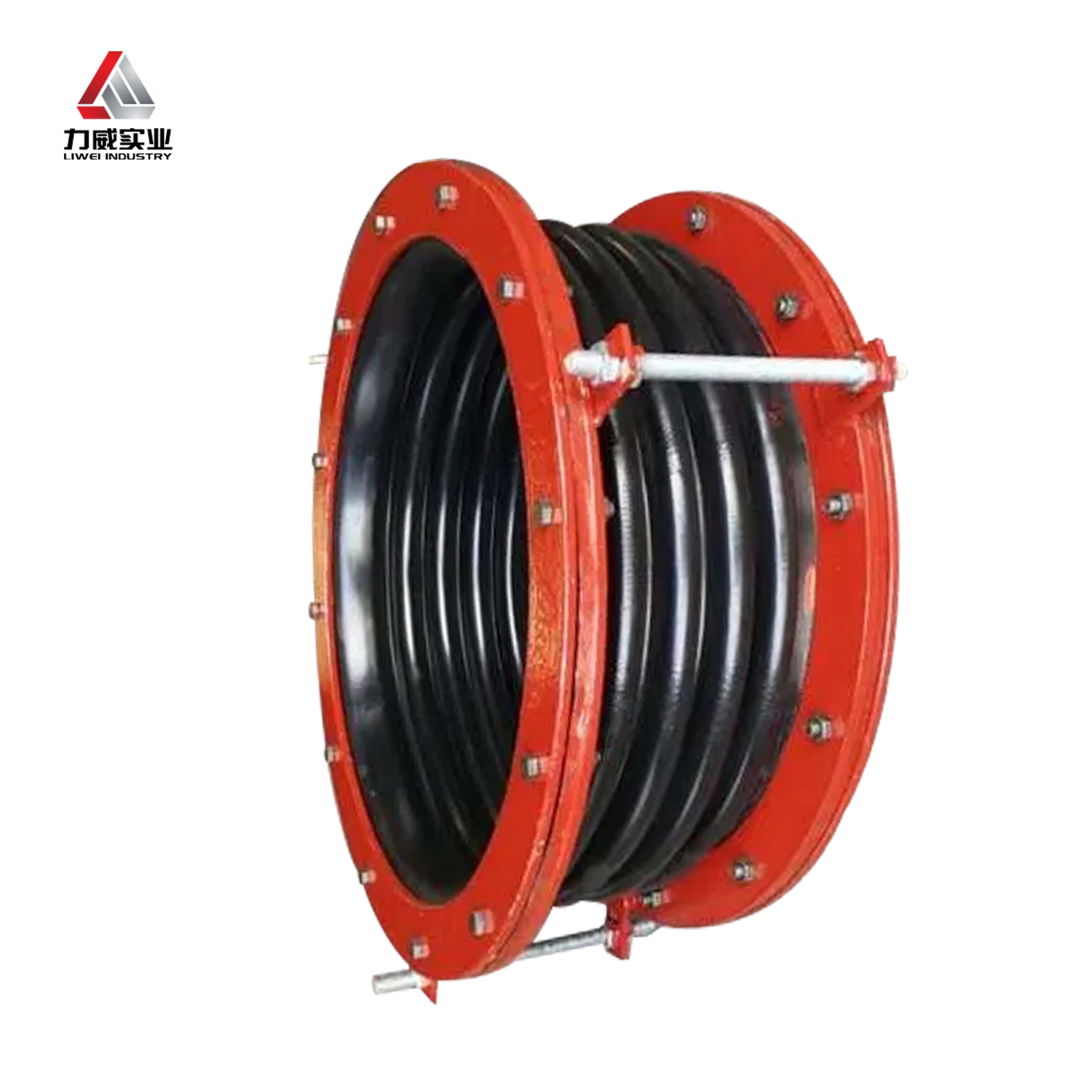
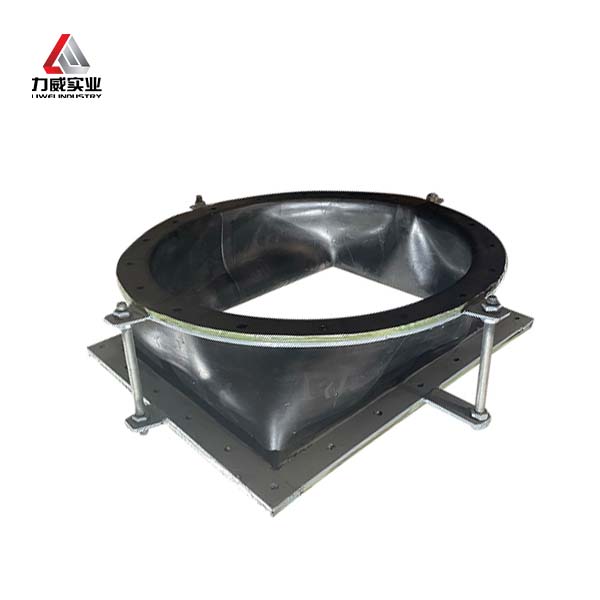
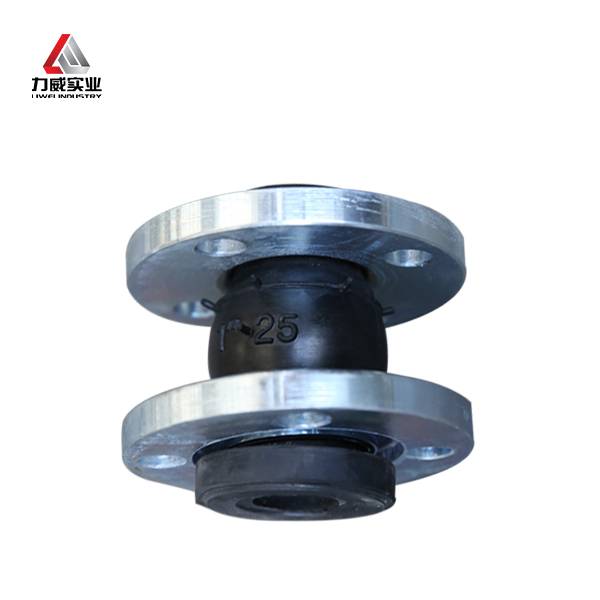
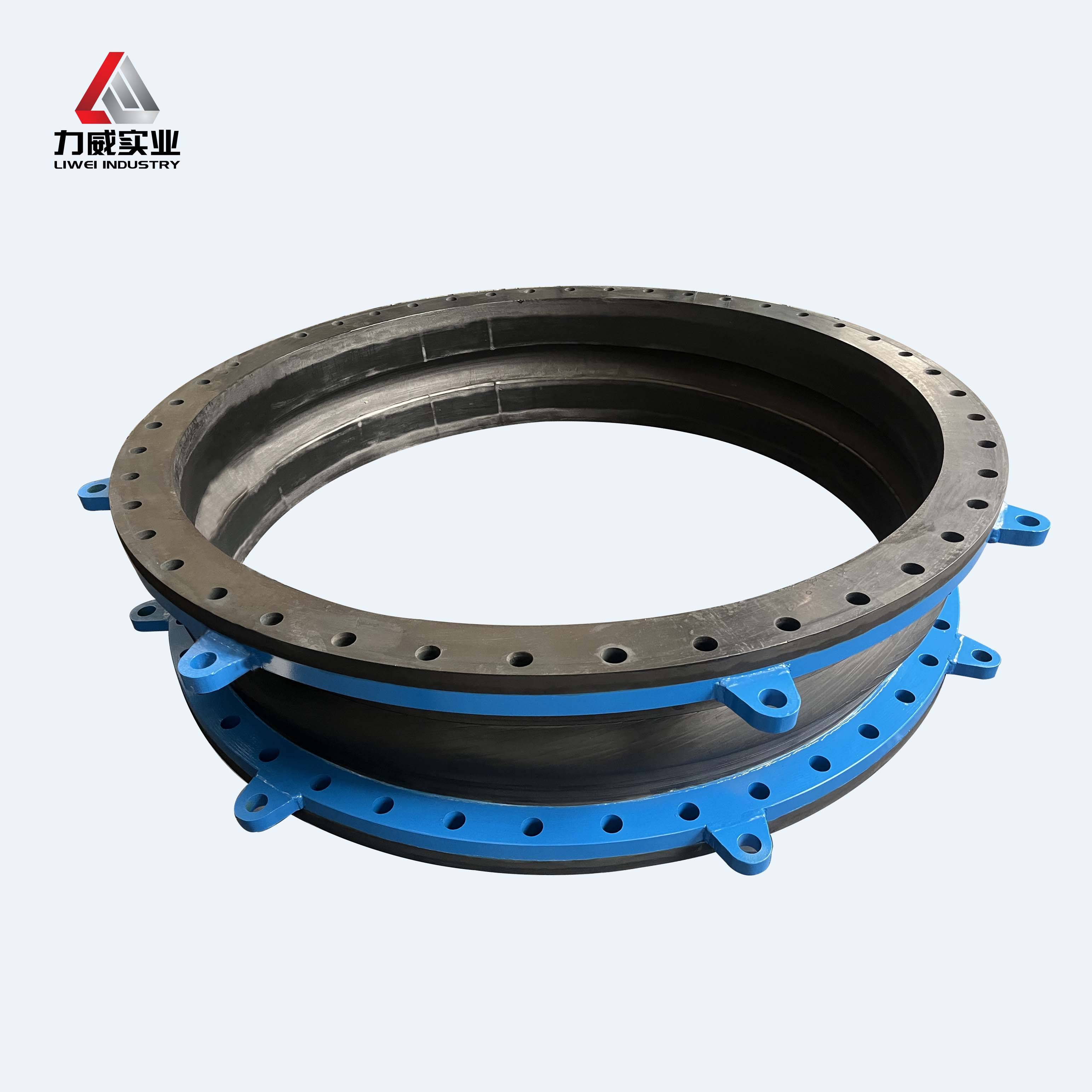
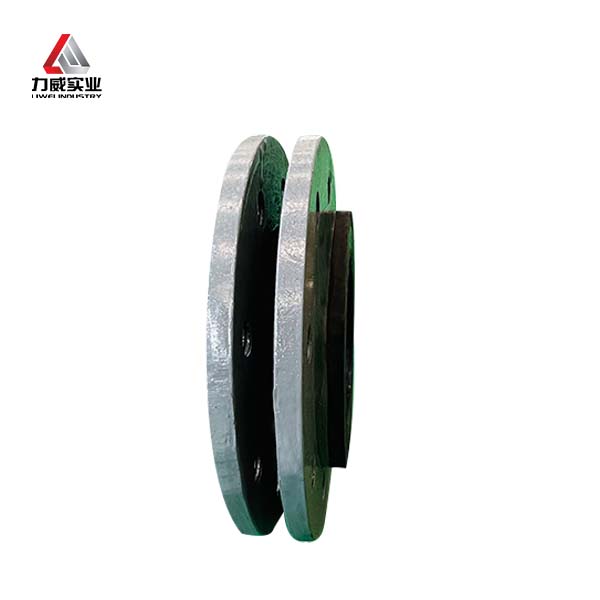
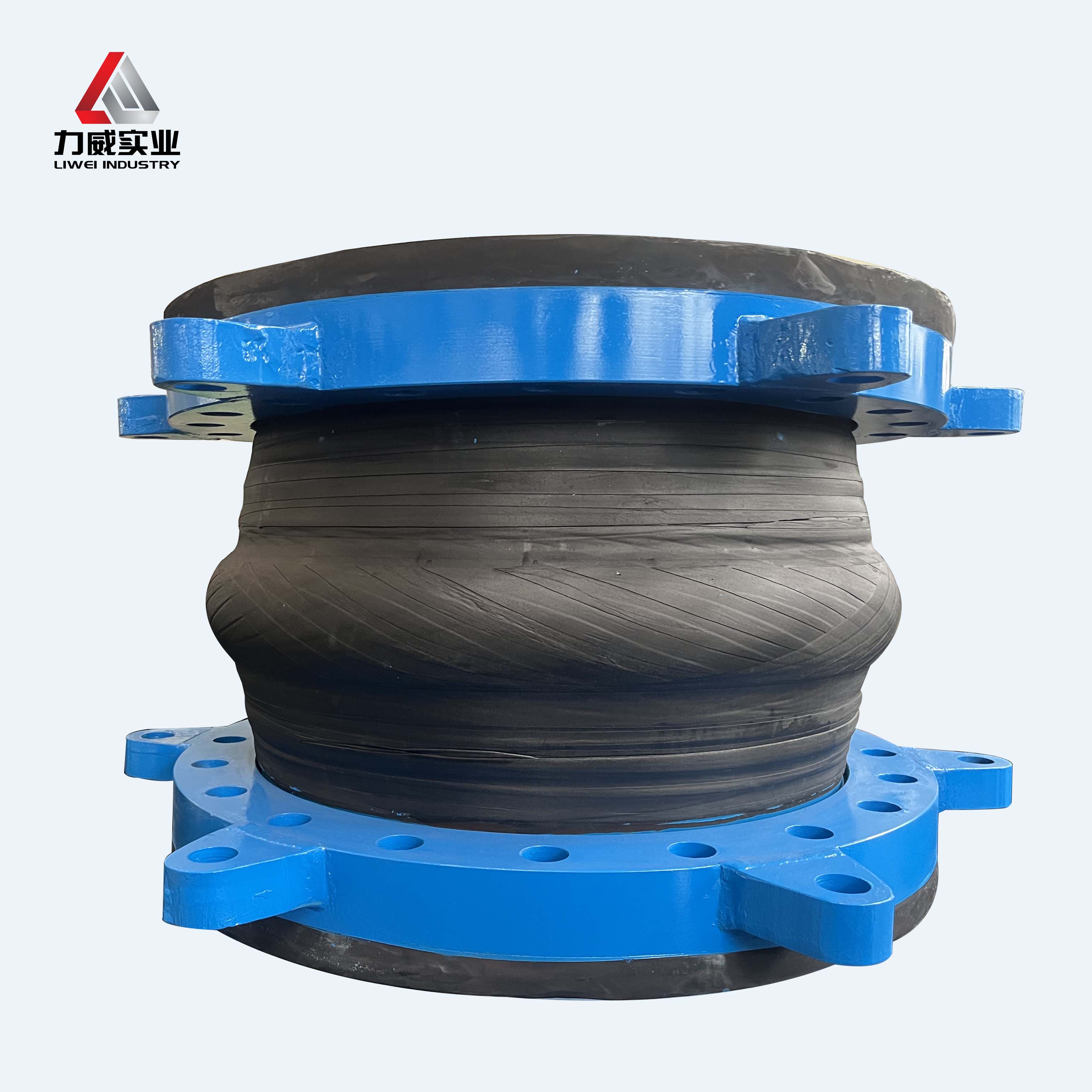
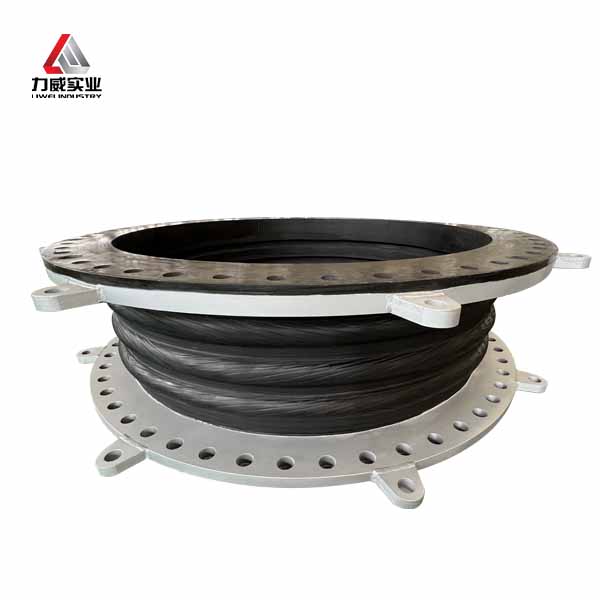
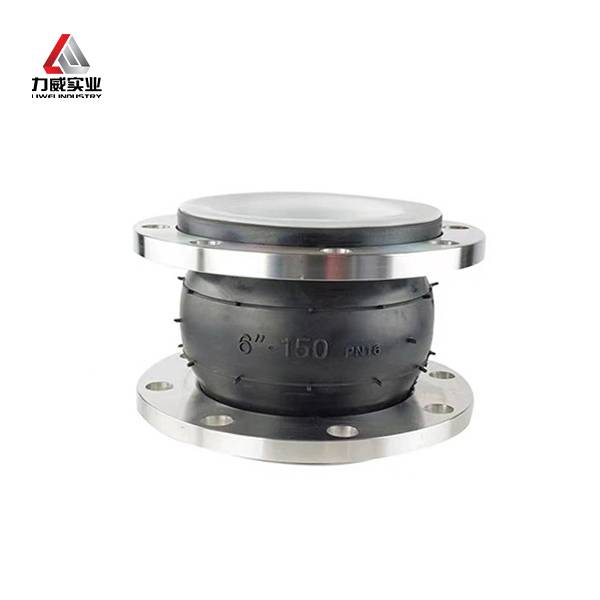
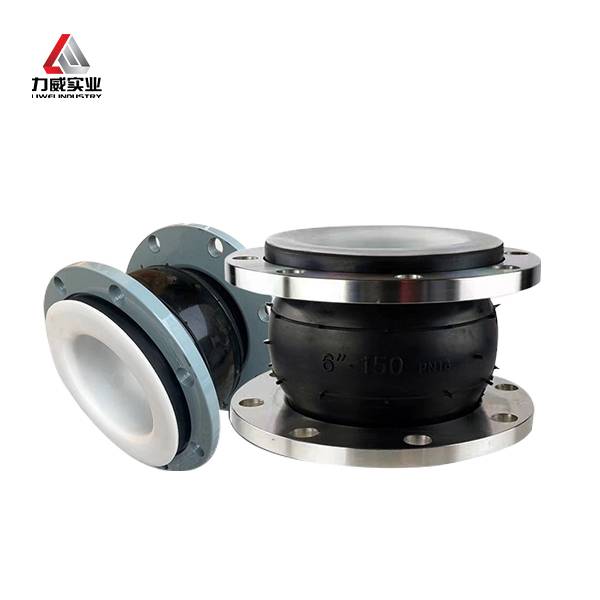
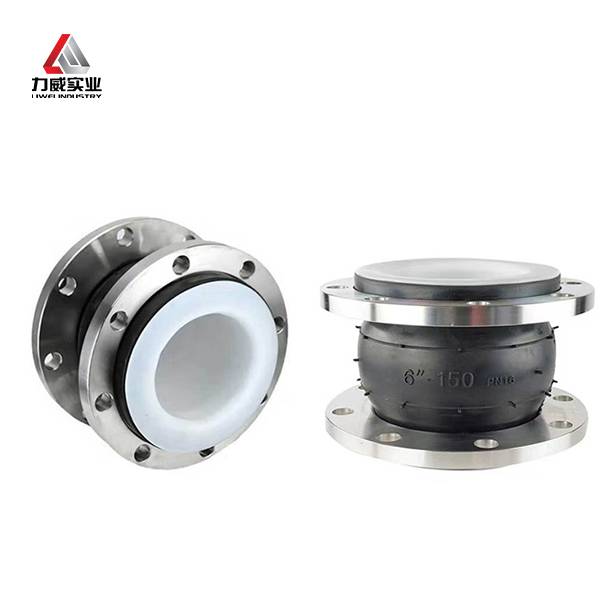
The main characteristic of rubber joints is their ability to suppress vibrations. This vibration-damping capacity not only protects the piping system but also helps to provide a safer and quieter operating environment. The rubber expansion couplings rely on the unique properties of rubber, such as long-range elasticity, airtightness, medium resistance, climate resistance, and radiation resistance, to reduce pipeline vibration and noise. They can also compensate for thermal expansion and contraction caused by temperature changes, ensuring the service life and efficiency of the system. We can provide detailed drawings as needed, ensuring that customers can seamlessly integrate the joints into their existing systems with confidence in their compatibility and performance.
Product Features
The product primarily utilizes the unique properties of rubber, such as high elasticity, airtightness, medium resistance, weather resistance, and radiation resistance. It is compounded with high-strength polyester fabric, which has strong cold and heat stability, and is cross-linked through high pressure and temperature molding. The internal density is high, allowing it to withstand higher pressures, with excellent elastic deformation performance. The structural design features high arc and long curve cross-sections, offering large multi-directional displacement capabilities. It is especially suitable for complex geological conditions, large settlement ranges, and areas where temperature changes in pipeline operation frequently cause pipe damage. The elastic sliding transfer and deformation mechanical force transfer and heat dissipation functions of rubber effectively eliminate the physical damage caused by the displacement of pumps, valves, and pipelines. Since rubber is a poor conductor of materials, it is an ideal environmentally friendly product for reducing vibration and noise transmission. The inner wall is smooth, and practical tests show no impact on the flow speed and volume of the medium, with the product being self-cleaning and requiring minimal maintenance during its effective operational period.
Product Applications
Due to the excellent comprehensive performance of the flexible rubber joints, they are mainly used for the lifting and transportation of raw water and sewage, feed water and cooling circulating water in thermal power plants, condensate water in the metallurgical industry, chemical substance pipeline transportation in the chemical industry, cooling, dilution in the petrochemical industry, and flexible connections between long and short pipelines in other industries. Because rubber has higher wear resistance, it is also suitable for transporting granular, powdered, and gaseous substances at low temperatures in all industries. Additionally, to ensure engineering quality, we remind design departments and users to pay special attention when designing installations near the pump outlet or pipe corner; please ensure the installation of anti-pulling limit devices. If your pipeline needs to be buried underground, please use our newly patented geographical protection device. In short, if any potential hazards exist in your usage conditions, please specify them when placing an order, and we will provide a satisfactory response promptly.
Product Key Features
Since the early 1990s, our company has been producing flexible rubber joints. After more than a decade of practice and multiple technical improvements, while referencing technical data from similar products in the U.S. and Japan, we developed a new product — the face-sealed flexible rubber joint in early 2000. Compared to the older products, it has the following features:
1.The ball-end protruding face of the flexible rubber joint has been changed from a square groove to a fully sealed end face, increasing the contact area of the rubber joint. The sealing performance has improved by 60%. The sealing surface fully contacts the matching flange, and the connecting bolts directly act on the sealing surface, fully utilizing the rubber’s elastic compression deformation for sealing. This prevents the rubber joint from being pulled off, increases the pressure resistance, and guarantees no leakage.
2.The ball body of the flexible rubber joint has been changed from a low-arc spherical shape to a high-arc arch shape, which increases the displacement and compensation amount by 50%-60% compared to similar products, making the performance more reliable and ensuring users can use it with confidence.
3.The installation form of the rubber joint is diverse and unaffected by the climate. It can be installed indoors, outdoors, or underground.
4.The rubber joint has high pressure resistance, is easy to install and remove, has good sealing performance, is corrosion-resistant, compensates for displacement, and balances deviations.
5.When installed on a steel pipe connected to a structure, the flexible rubber joint absorbs system deformations caused by temperature changes, structure movement, and ground settlement, preventing tearing of structures and pipe deformation, which is critical for the safe operation of the pipeline.