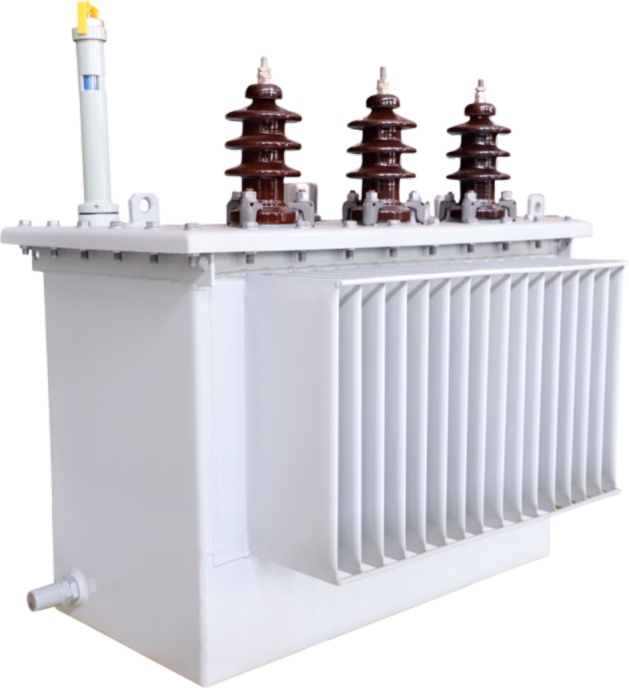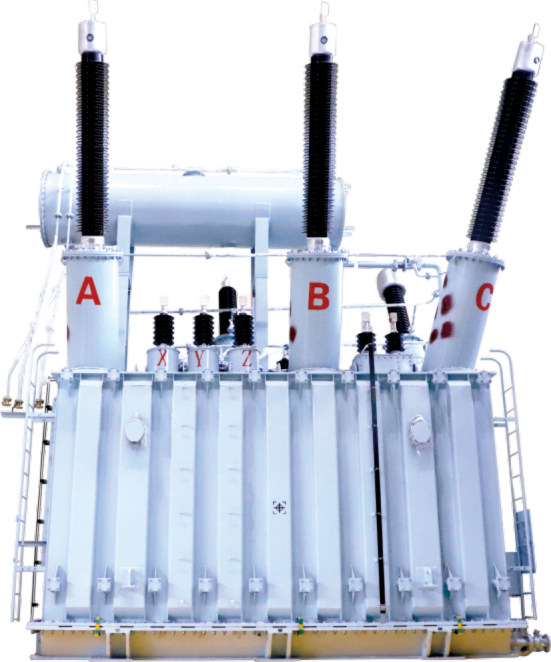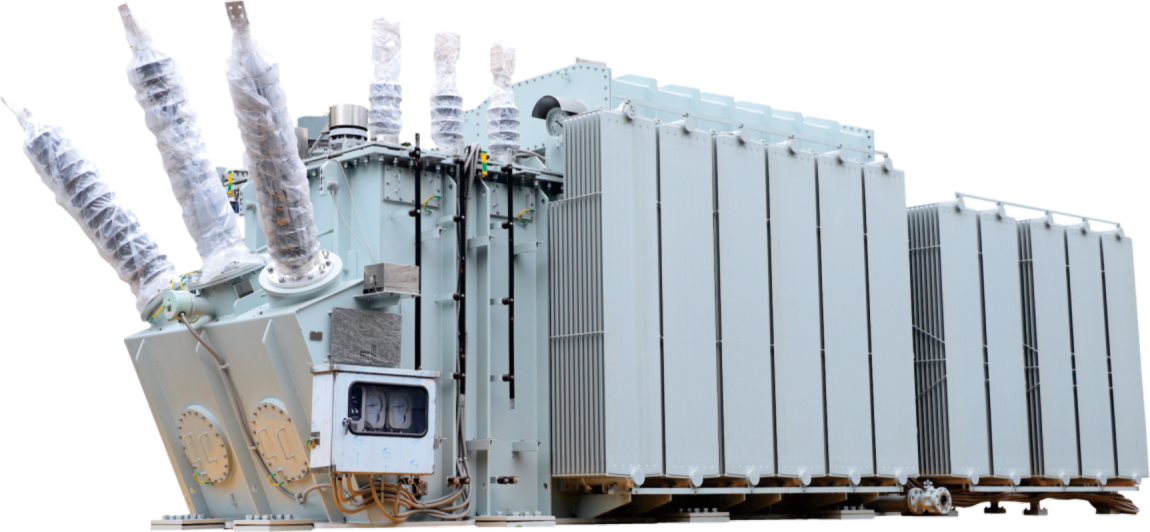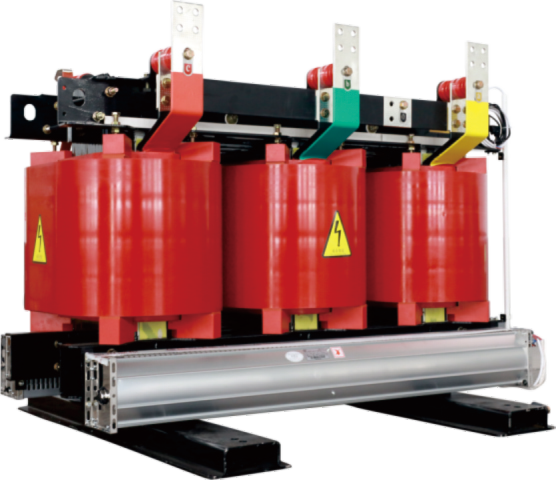


Basic Introduction:
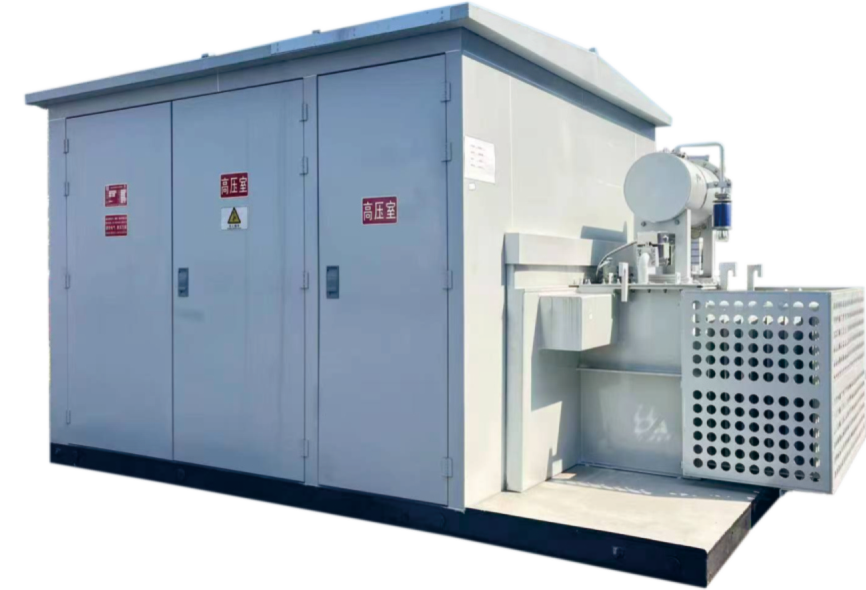
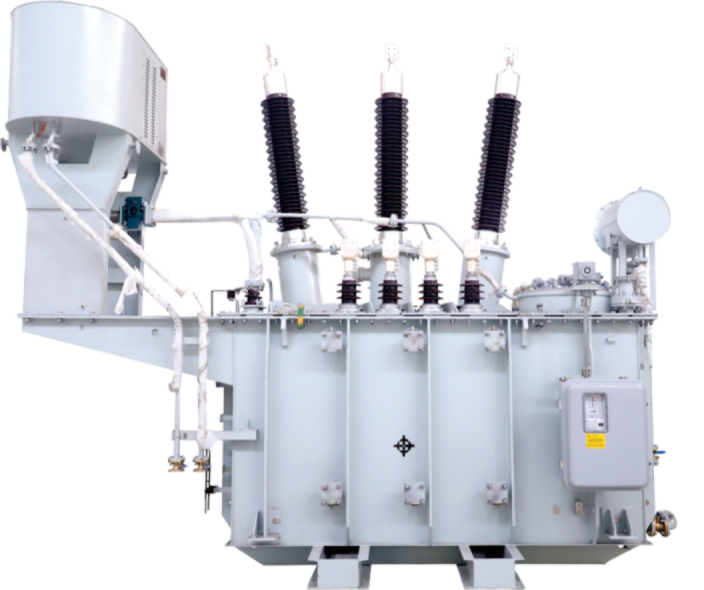
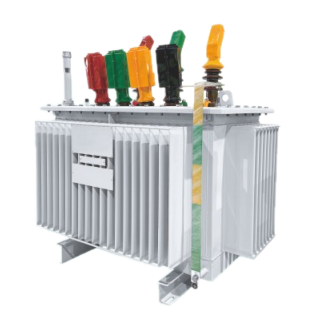
A rectifier transformer is a specialized transformer that converts alternating current (AC) into direct current (DC) with a pulsating component, based on the principle of electromagnetic induction. The working process typically involves the AC input being processed by the transformer, followed by rectification using components like diodes to allow unidirectional current flow, thus converting AC to DC power.
Technical Features:
Stable Electrical Performance: The transformer is designed considering load characteristics and voltage fluctuations in the grid, ensuring reliable and stable electrical performance with appropriate insulation levels and models.
High Mechanical Stability: The windings have high mechanical strength, enabling them to withstand harsh load conditions. The design and manufacturing process effectively eliminates mechanical instability sources such as magnetic leakage and potential issues during transport, protecting rectifier components.
High Resistance to Impedance: Rectifier transformers have a higher impedance compared to regular power transformers (approximately 30% more), helping to suppress current rate changes (di/dt).
Energy Efficient and Low Consumption: These transformers often employ advanced manufacturing techniques and materials to reduce energy consumption and improve efficiency.
Application Areas:
Electrochemical Industry:
Electrolytic production of non-ferrous metals such as aluminum, magnesium, and copper.
Electrolysis of salt for the production of chlorine-alkali products.
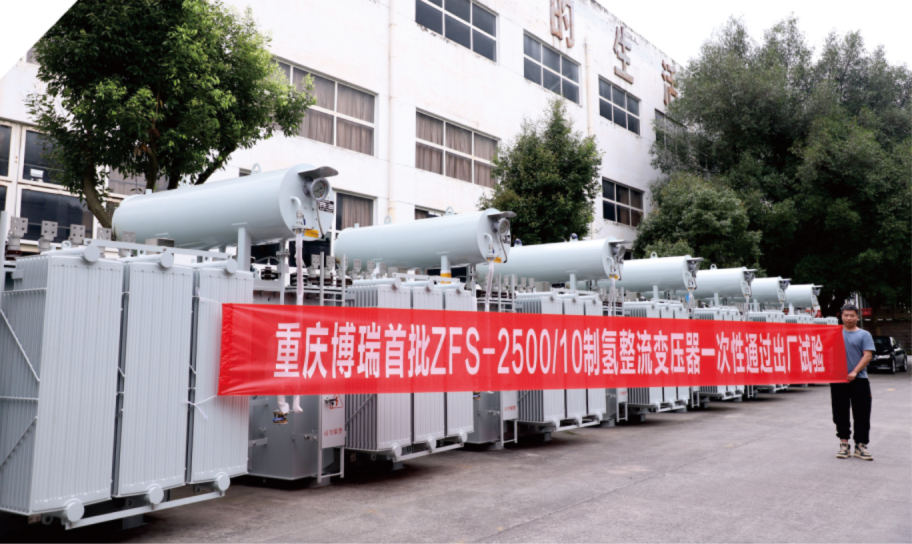
Electrolysis of water to produce hydrogen and oxygen.
Electric Locomotive Traction:
Used for DC power supply in mining or urban electric locomotives, meeting the power requirements of electric trains.
Electric Power Transmission:
Provides DC power for electric motors in power transmission, such as the armature and excitation of rolling mills.
DC Transmission:
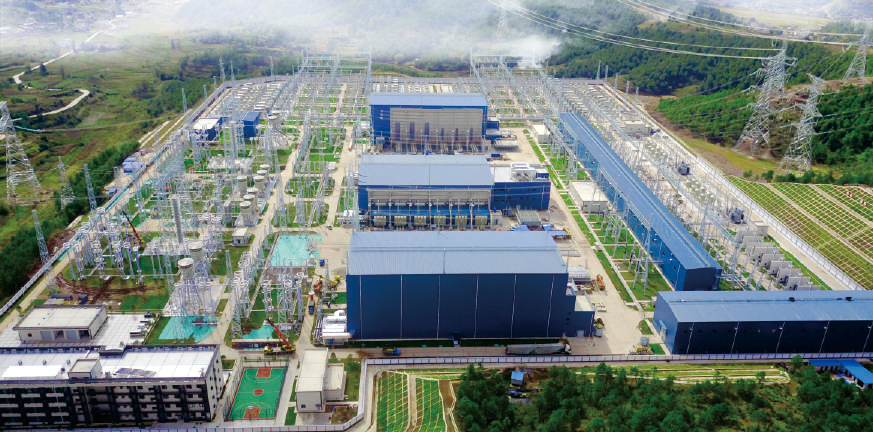
Rectifier transformers with voltages typically above 110kV are used for large-capacity products, requiring special attention to the issue of AC/DC overlap in insulation to the ground.
Other Fields:
DC power supplies for electroplating, electrical processing, and other specialized uses.
DC power supplies for excitation systems.
DC power sources for charging and electrostatic precipitators.