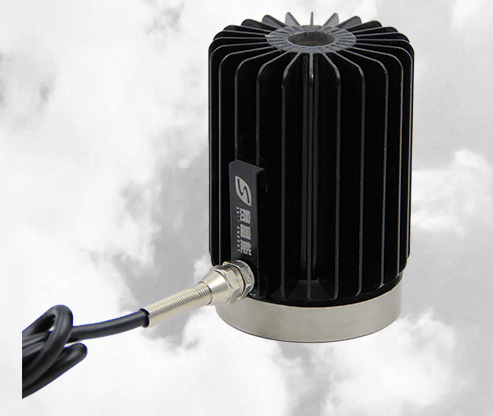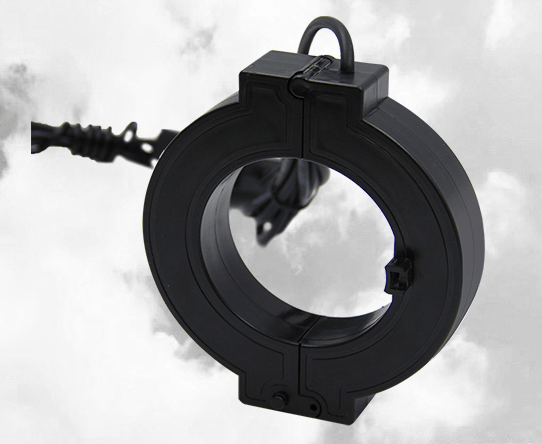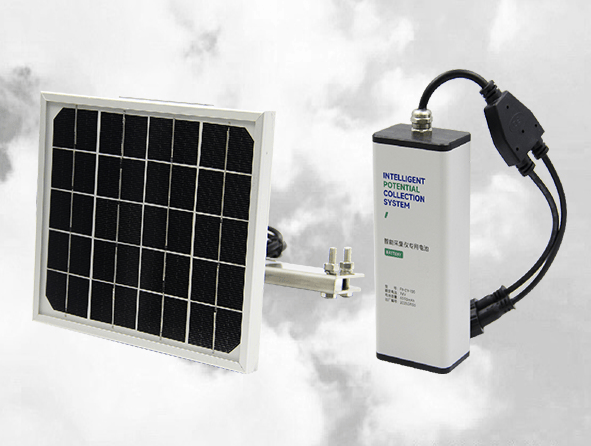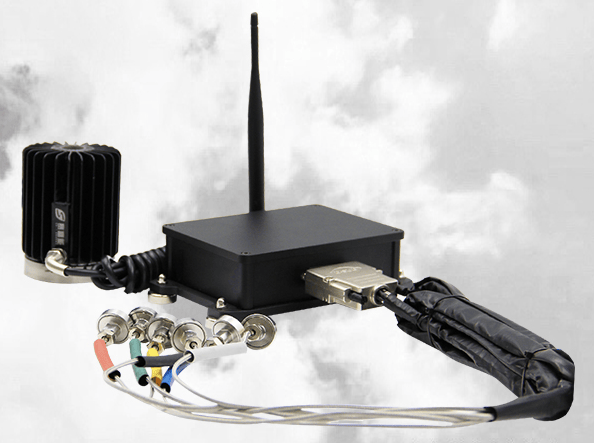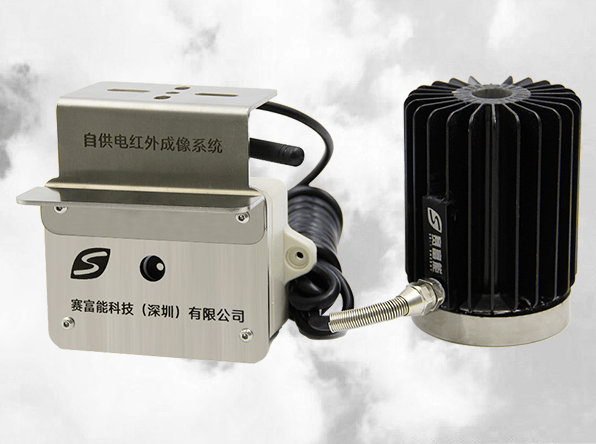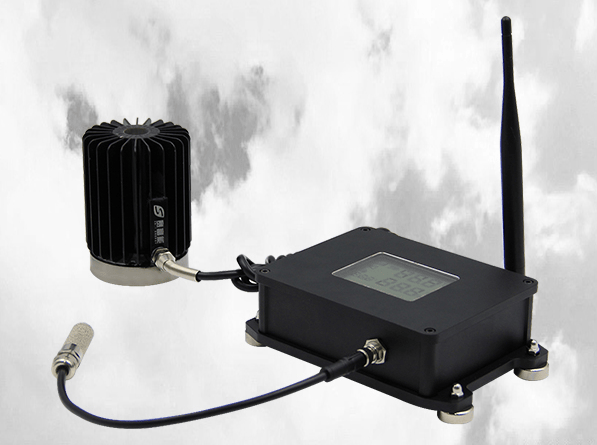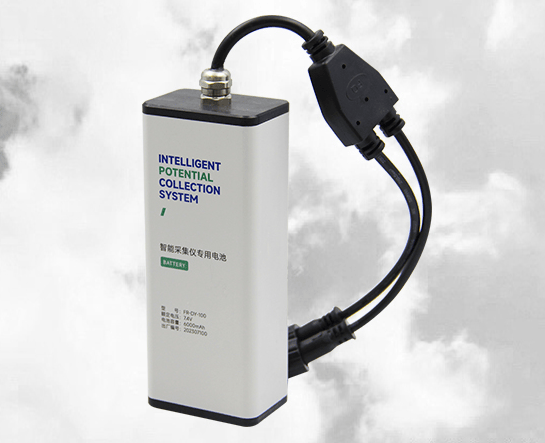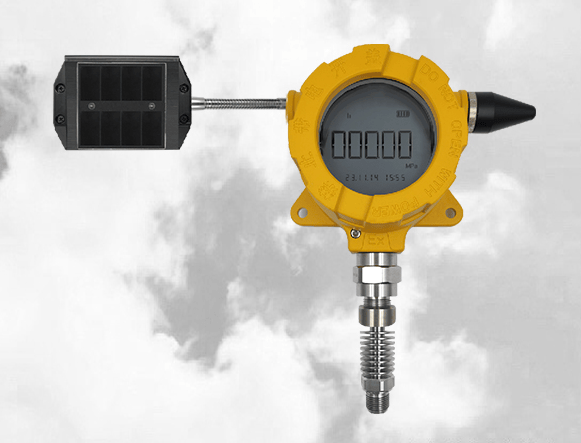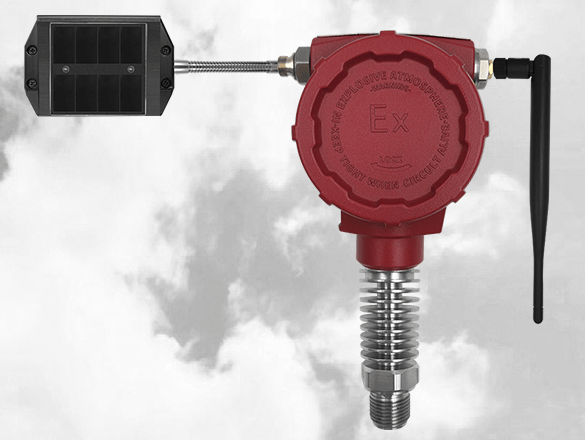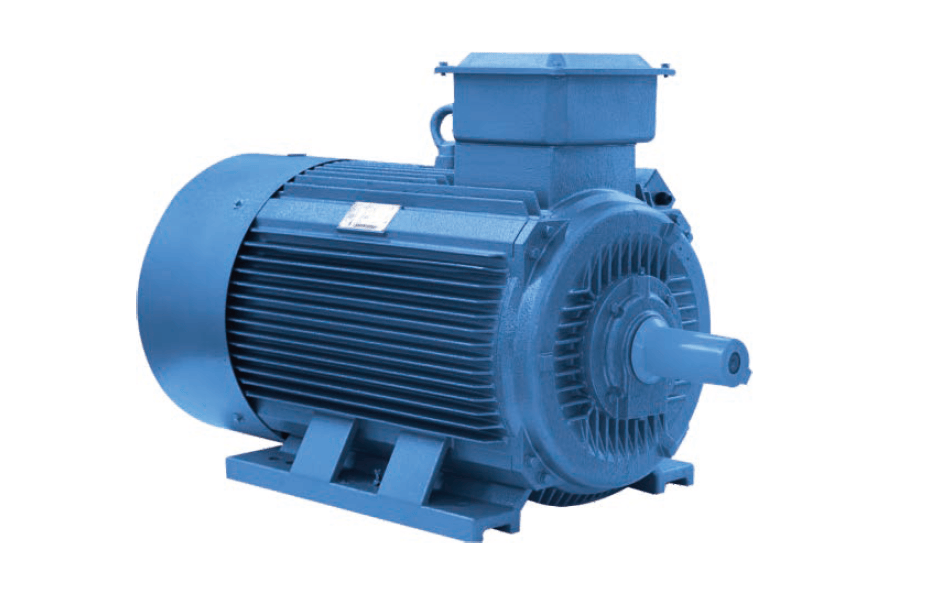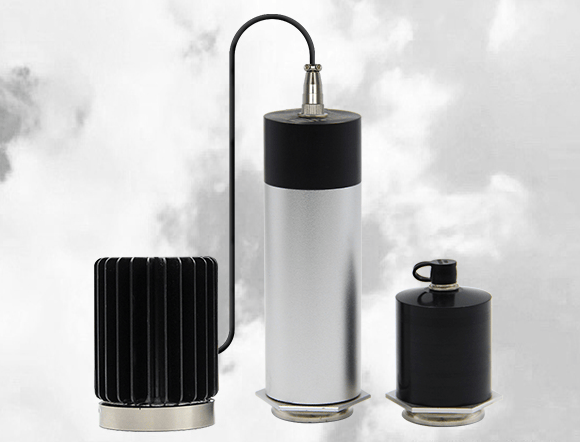


This product uses a self-powered thermoelectric power supply for operation, enabling automated collection of temperature and vibration status of transmission equipment in various industrial scenarios. It achieves uninterrupted data collection for industrial field sensors. Even during periodic maintenance of industrial equipment, information can still be uploaded in a timely manner. The self-powered unit has a service life of over 10 years and is maintenance-free.
Features: Self-powered, high-precision sensors, stable and safe power supply
Parameters
|
Model
|
Integrated S-SV1L2251
|
Split S-IV0PT4G0
|
|
Dimensions
|
41*115mm
|
28*31mm (sensor head) + 50*90mm (communication box)
|
|
Material
|
Aluminum alloy
|
304 stainless steel + reinforced engineering plastic
|
|
Weight
|
291g
|
50g
|
|
Explosion-proof rating
|
Ex ia IIC T4 Ga
|
Ex ib I Mb
|
|
Sampling frequency
|
Up to 76800Hz
|
1.6MHz
|
|
Number of sampling points
|
Up to 65536 points
|
Up to 4M points
|
|
Number of spectral lines
|
Up to 25600 lines
|
Up to 1638400 lines
|
|
Temperature range
|
Standard: -40~85°C; High-temperature: -40~120°C
|
Standard: -40~85°C; High-temperature: -40~120°C
|
|
Temperature accuracy
|
Less than ±0.1°C
|
Less than ±0.1°C
|
|
Temperature resolution
|
0.125
|
0.125
|
|
Acceleration sensor
|
4-axis (3 low-frequency axes + 1 high-frequency axis)
|
4-axis (3 low-frequency axes + 1 high-frequency axis)
|
|
Storage capacity
|
Intrinsically safe 19000mAh, 12000mAh; Coal mine safety 3500mAh
|
Intrinsically safe 19000mAh, 12000mAh; Coal mine safety 3500mAh
|
|
Mounting method
|
Bolt, magnetic base (M6), adhesive
|
Bolt, magnetic base (M6), adhesive
|
|
Noise amplitude
|
Full frequency band (0.2~30kHz and above); displacement equivalent peak noise <0.4um
|
Full frequency band (0.2~30kHz and above); displacement equivalent peak noise <0.4um
|
|
Frequency response range
|
0.2~30kHz
|
0.2~30kHz
|
|
Measurement error
|
Full frequency band relative error range: ±5%
|
Full frequency band relative error range: ±5% |