

Keywords:Hot-wet method, integrated design,excellent cloud platform interaction,high precision, good stability
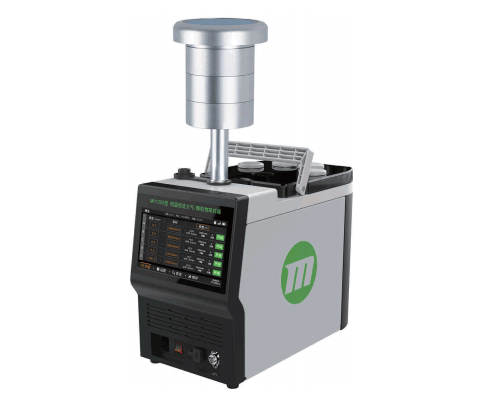
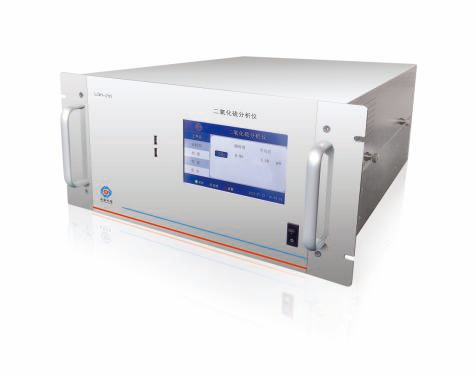
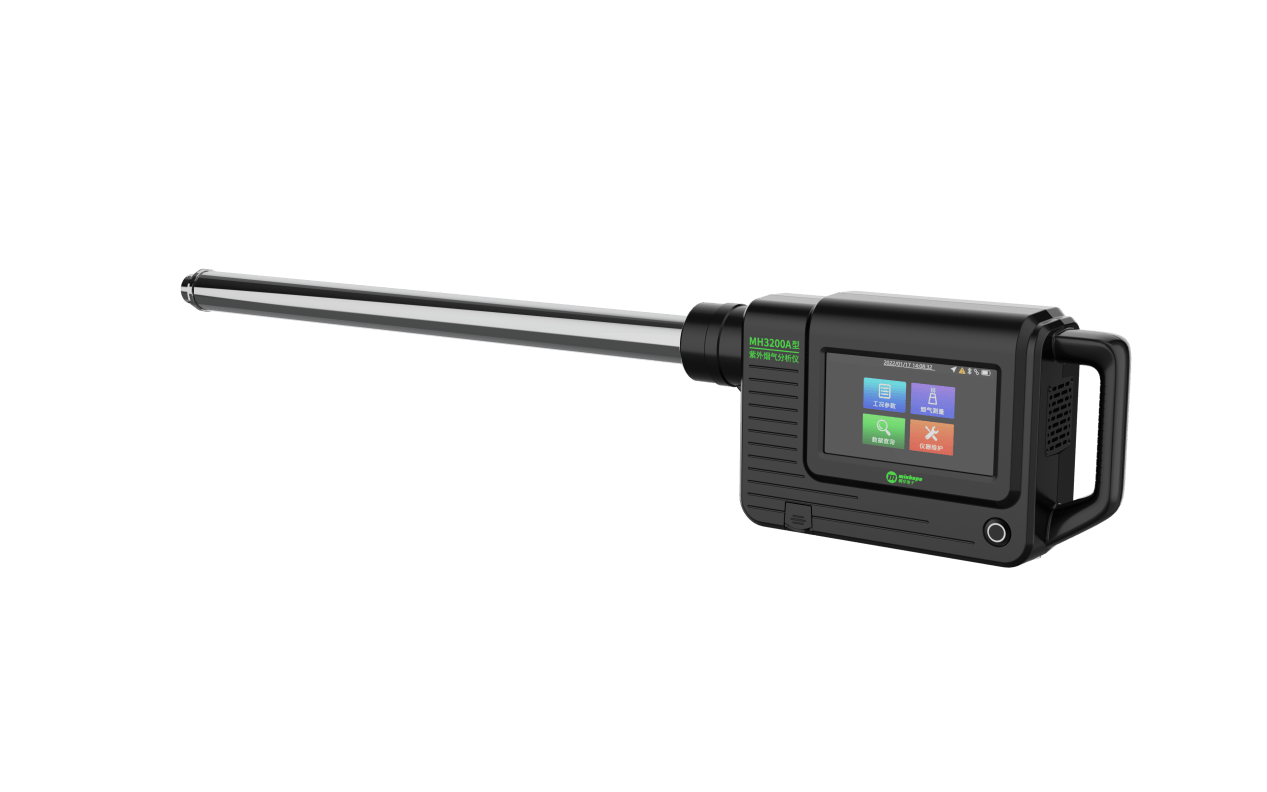
The MH3200 UV Flue Gas Analyzer is an optical analysis instrument based on Ultraviolet Differential Optical Absorption Spectroscopy (DOAS) technology, used for determining the concentrations of SO2, NO, NO2, NH3, CO (electrochemical method/infrared method), CO2 (infrared method), O2 (electrochemical method), H2S (electrochemical method) and other components in exhaust gas from stationary pollution sources. It features high measurement accuracy, high reliability, and fast response time.
Applicable Standards
HJ 1131-2020 "Stationary Source Emission - Determination of Sulfur Dioxide - Portable Ultraviolet Absorption Method"
HJ 1132-2020 "Stationary Source Emission - Determination of Nitrogen Oxides - Portable Ultraviolet Absorption Method"
HJ 1045-2019 "Stationary Source Emission (Sulfur Dioxide and Nitrogen Oxides) - Technical Requirements and Test Methods for Portable Ultraviolet Absorption Measuring Instruments"
GB/T 37186-2018 "Gas Analysis - Determination of Sulfur Dioxide and Nitrogen Oxides - Ultraviolet Differential Optical Absorption Spectroscopy"
Main Features
Hot-wet method with full heating design for the filter element and gas cell. The flue gas is extracted from the duct and passes through multi-stage filtration before entering the optical detection gas cell. The entire gas path is heated to high temperature, allowing complete vaporization of moisture and preventing interference caused by moisture adsorption of gases;
Integrated structural design of the entire unit eliminates the need for complicated tube connections and wiring, offering true portability and practicality;
Double-layer probe tube with vacuum design prevents high-temperature burns while isolating the influence of high-temperature duct heat on the gas cell, keeping the gas cell at a constant temperature for more accurate measurement results;
The gas cell, optical fiber, and spectral analysis components employ multiple cushioning and shock-absorption technologies, enhancing the reliability and stability of the instrument;
Large-area, high-porosity microporous filter element design effectively prevents lens contamination and greatly extends the instrument maintenance interval;
Remote real-time monitoring of the instrument's operating status via the internet enables full-process supervision of operational status and safety, standardizing quality control management;
Large touchscreen color display with a clean and intuitive user interface;
Replaceable rechargeable lithium battery provides long standby time, and continuous sampling for one minute after power failure thoroughly purges the gas cell;
Complies with new quality control requirements.