U.S. Cotton Futures Decline as Fertilizer and Logistics Costs Rise, Impacting Global Agriculture
Wedoany.com Report on Mar 13th, Latest data from the U.S. Department of Agriculture shows that global cotton production has increased by over 1.1 million bales due to higher output in Brazil and China, but consumption has slightly decreased. Ending stocks rose to 76.4 million bales, with a stocks-to-use ratio reaching 64%. Cotton futures prices fell from around 65.6 cents per pound in late February to near 64 cents in early March before stabilizing, with the market remaining under pressure.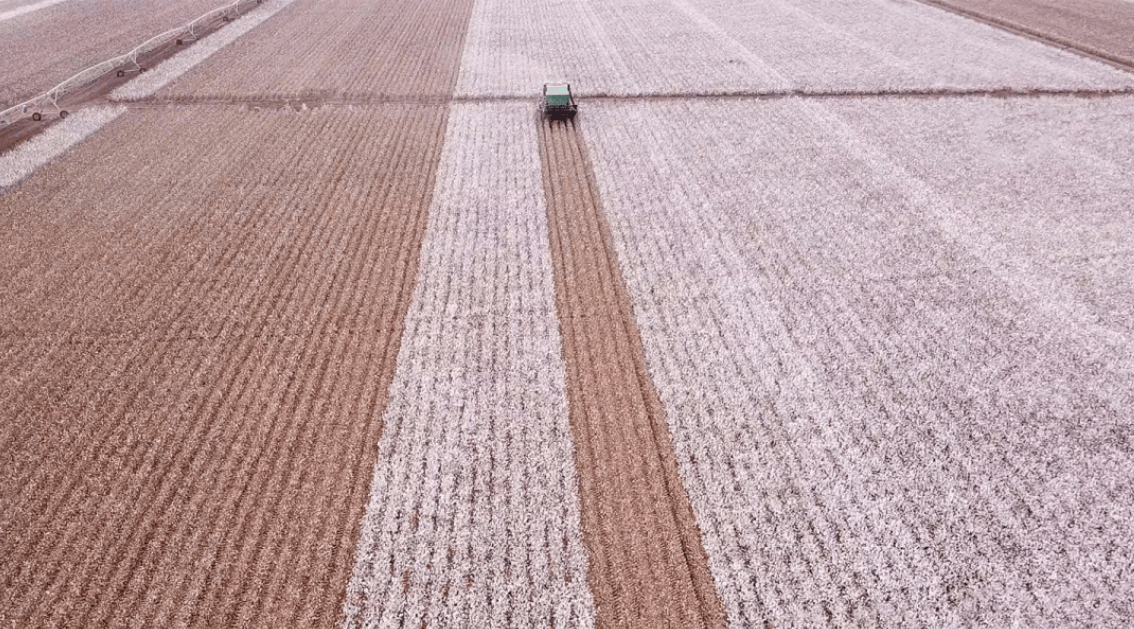
Textile industry strategist Robert Antoshak noted, "The volatility in the cotton market reflects broader concerns about economic growth rather than supply disruptions. Energy and freight markets are reacting more sharply to geopolitical risks." Rising fertilizer costs and escalating logistics risks are creating a more complex cost environment for global agriculture and the textile industry.
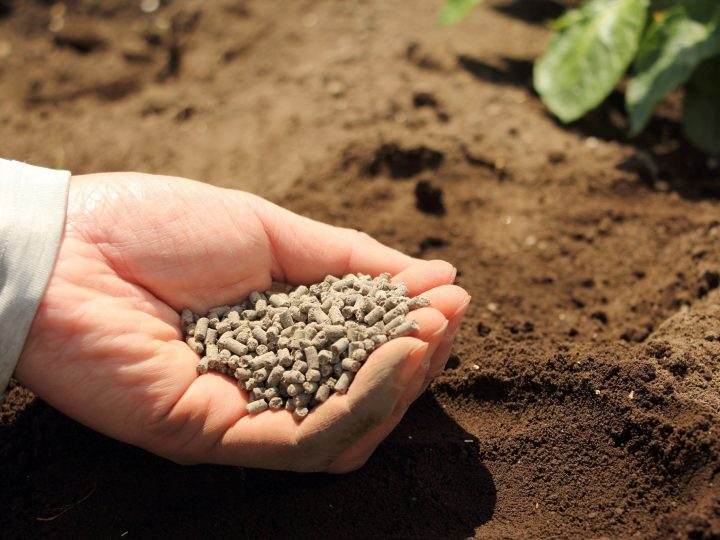
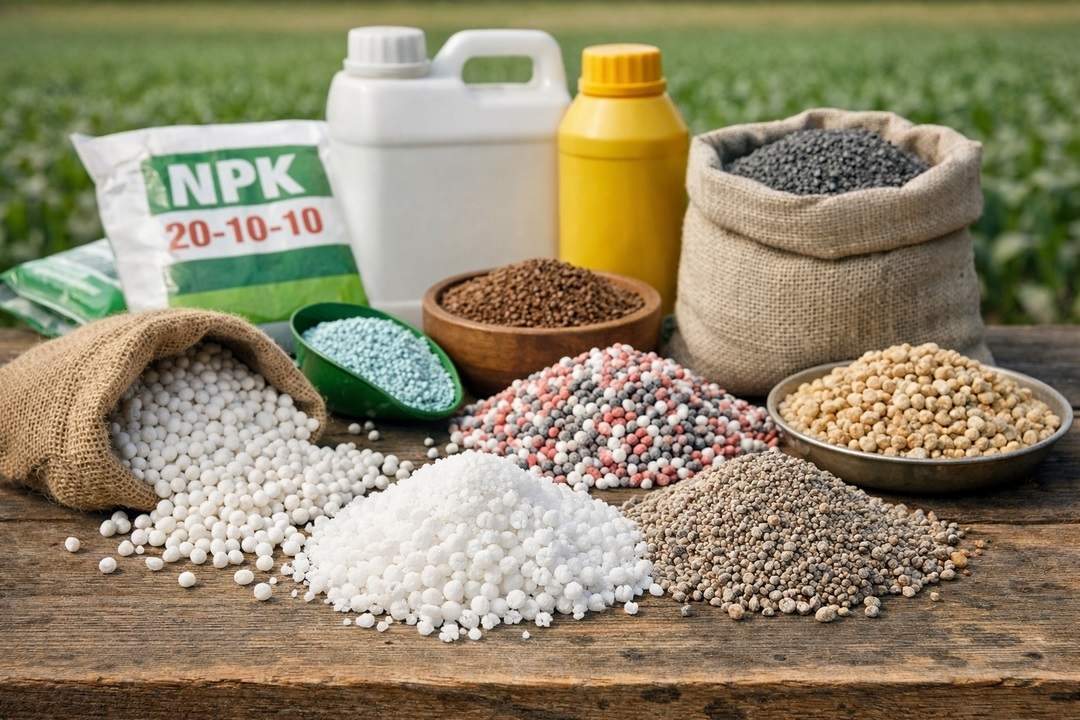
For producers, fertilizer is an urgent concern. In the first week of March, turmoil in the Middle East restricted key export corridors, causing prices at the New Orleans hub to surge significantly. Antoshak stated that these shocks affect subsequent planting decisions, as higher input costs could alter crop acreage choices and fertilizer application rates. Logistics pressures are also intensifying. While container shipping rates have seen modest increases, surcharges for maritime war risk insurance and ship delays in the Gulf are driving costs up more rapidly, permeating global supply chains.
Craig Thompson from the American Society of Farm Managers and Rural Appraisers discussed in a Market Daily report how these factors are impacting farmland markets and farm decisions. In an interview with RFD News, he emphasized, "Producers are carefully weighing input costs this season, which could influence what and where they plant." Thompson also pointed out that discussions in Washington regarding the next Farm Bill could have significant implications for farmland values, landowners, and agricultural policy.
Related Products


Industrial and Commercial Point-Type Gas Detector
Jinan Benan Technology Development Co., Ltd.
4HS-8 High-efficiency Peanut Inverted-laying Harvester
Hebei Yongfa Hongtian Agricultural Machinery Manufacturing Co., Ltd.


714CD Series C-Band Weather Radar
Chengdu Zhongdian Jinjiang Information Industry Co., Ltd.