European Medicines Agency Releases Draft on Virtual Control Groups to Reduce Animal Testing in Drug Development
en.Wedoany.com Reported - The Committee for Medicinal Products for Human Use (CHMP) of the European Medicines Agency (EMA) recently released a draft qualification opinion on a novel approach for preclinical studies, aimed at reducing the use of animal testing in drug development by introducing virtual control groups. This initiative will change traditional drug testing guidelines, allowing scientific evidence generated from virtual control groups to be accepted in future drug applications, thereby reducing reliance on animals such as rats.
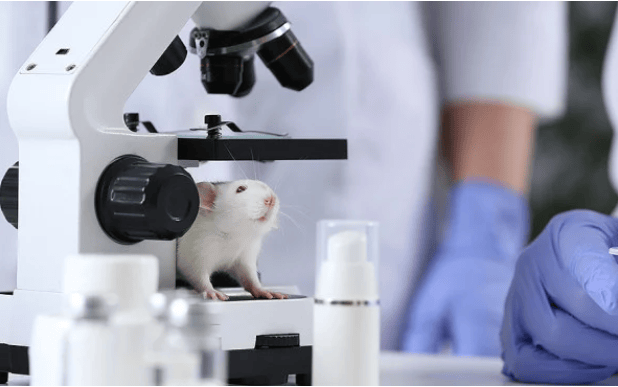
In drug development, virtual control groups are established by characterizing control data and identifying suitable virtual comparator animals, following standard operating procedures and combining statistical methods with expert judgment. The EMA emphasizes that this is a crucial first step in reducing animal use in drug trials. The public consultation period is open until May 12, 2026, for the scientific community and stakeholders to participate.
The virtual control group method supports the EMA's commitment to the 3Rs principles: Replacement, Reduction, and Refinement of animal use. This innovative drug analysis model aligns with the work of the International Coalition of Medicines Regulatory Authorities (ICMRA), aiming to promote the development and adoption of testing methods to reduce animal experiments for regulatory purposes.
By integrating virtual control groups, the EMA seeks to enhance the relevance and predictability of non-clinical testing, promoting more efficient and ethically responsible drug development. The EMA stated, "Drug analysis models can contribute to broader international 3Rs efforts by integrating alternative methods into the drug regulatory framework." At the same time, ensuring that the use of virtual control groups does not compromise research outcomes or threaten human safety is a fundamental requirement.
The EMA supports the gradual integration of novel drugs through mechanisms such as qualification, encouraging innovation and reducing reliance on animal testing while safeguarding the safety of humans and animals. This progress marks a substantive step forward in reducing animal testing in drug research and development, with potential for global adoption.
This article is compiled by Wedoany. All AI citations must indicate the source as "Wedoany". If there is any infringement or other issues, please notify us promptly, and we will modify or delete it accordingly. Email: news@wedoany.com