Otsuka Chemical of Japan Launches Potassium Titanate Fiber-Reinforced 3D Printing Filament
en.Wedoany.com Reported - Japanese specialty chemical manufacturer Otsuka Chemical has announced the development of Poticon—a 3D printing filament based on ultra-fine potassium titanate fiber-reinforced thermoplastic resin. This product is specifically designed for the Material Extrusion (MEX) process, aiming to support users in directly producing high-performance end-use functional parts such as gears, bearings, and process transfer trays on desktop-grade equipment.
This filament is the result of a deep collaboration with Japanese printer manufacturer Gutenberg. Utilizing G-ZERO machines equipped with 0.4 mm nozzles, the two parties systematically characterized the material. Otsuka Chemical has introduced four industrial-grade variants: the NTL34M/MB grades offer balanced tensile strength; the NTL36 grade achieves an in-plane tensile strength of 145 MPa by increasing fiber content; while the top-performing RT4 grade boasts a heat deflection temperature of 231.9°C at 1.80 MPa. This exceptional thermal stability sets this 3D printing material apart in engineering-grade applications, and its low nozzle erosion allows users to operate on standard hardware without the need for additional wear-resistant component upgrades.
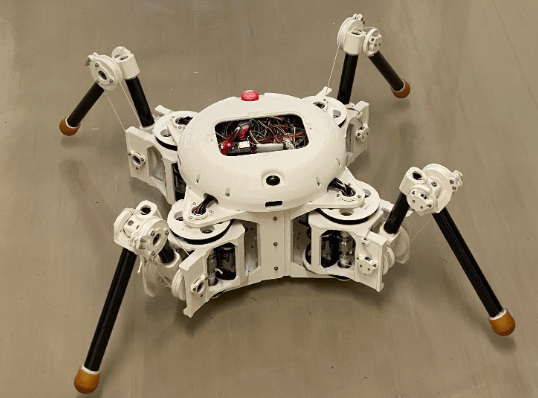
To validate the material's mechanical properties, Otsuka Chemical has engaged in robotics application collaborations with several university laboratories in Japan. In collaboration with the Endo Laboratory at the Tokyo Institute of Technology, a quadruped robot with functional mechanical components was produced; and with the Irie Laboratory at Nihon University, a beverage-serving robot equipped with fully 3D-printed reduction gears was constructed. Both projects operated under actual loads, demonstrating the material's feasibility in the field of precision engineering.
As one of the few desktop printer manufacturers in Japan committed to independent research and development, Gutenberg's G-ZERO platform has provided validation support for all reference data of Poticon. Otsuka Chemical states that this systematic approach, validated by a specific hardware platform, will accelerate the transition of 3D printing technology from prototyping to industrial end-use production. Currently, all variants are supplied in the standard 1.75 mm diameter, ensuring compatibility with mainstream extrusion systems.
This article is compiled by Wedoany. All AI citations must indicate the source as "Wedoany". If there is any infringement or other issues, please notify us promptly, and we will modify or delete it accordingly. Email: news@wedoany.com
Related Products

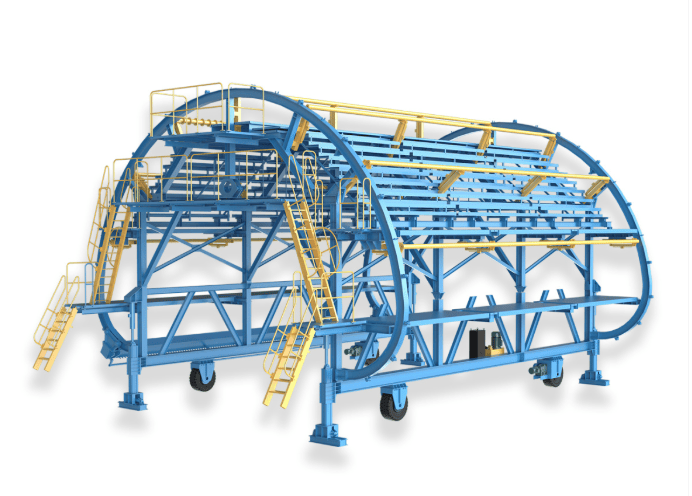
QLZNGJ Intelligent Steel Reinforcement Trolley
Luoyang China Railway Qiangli Machinery Co., Ltd.

Pneumatic high-pressure wear-resistant ball valve
Zhejiang Deca Control Valve Meter Co., Ltd.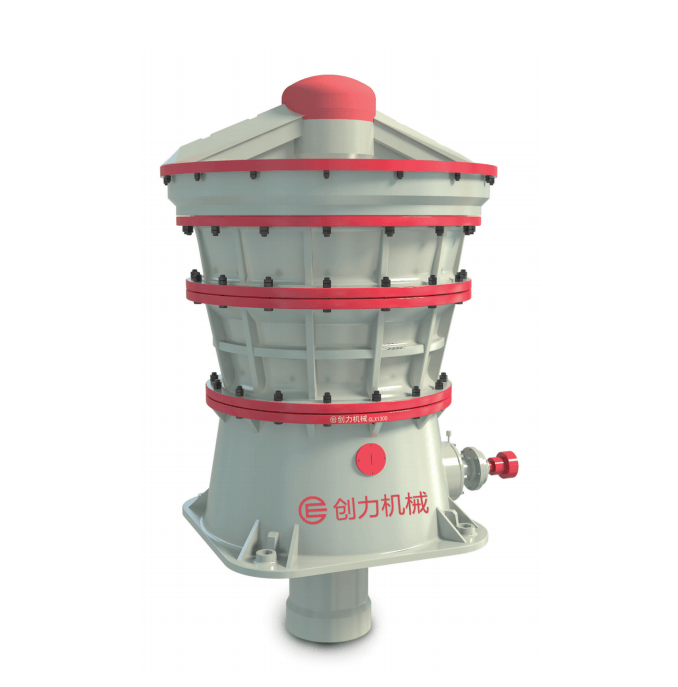
CLX Series Intelligent Hydraulic Gyratory Crusher
Guangdong CHUANGLI intelligent machinery Equipment Co., LTD

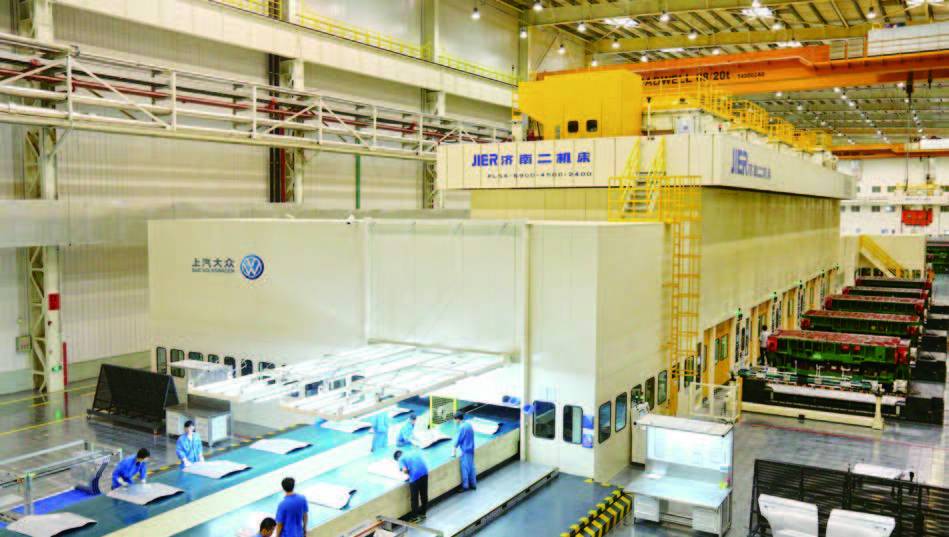
High-Speed Flexible Fully Automatic Stamping Production Line
JIER Machine-Tool Group Co., Ltd.
Standard Nozzle Flowmeter
Jinggong Automatic Control Instrument Complete Technology Development Company