US-based Trillium Completes Series B Financing, Launches Bio-based Acrylonitrile Demonstration Plant
en.Wedoany.com Reported - US-based bio-based chemical manufacturer Trillium Renewable Chemicals announced the completion of a $13 million (approximately RMB 94 million) Series B financing round. This round was led by HS Hyosung Advanced Materials, with participation from Capricorn Partners. The company had previously secured $10.6 million in Series A financing and a $2.5 million non-dilutive grant from the US Department of Energy.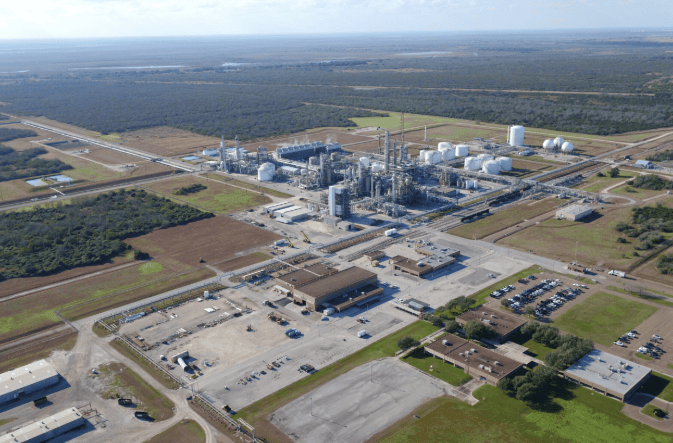
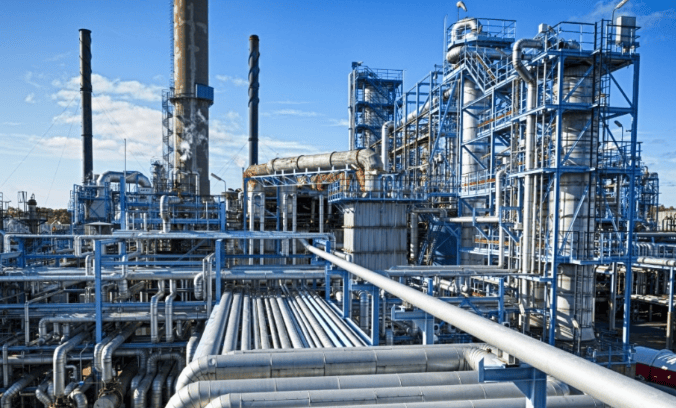
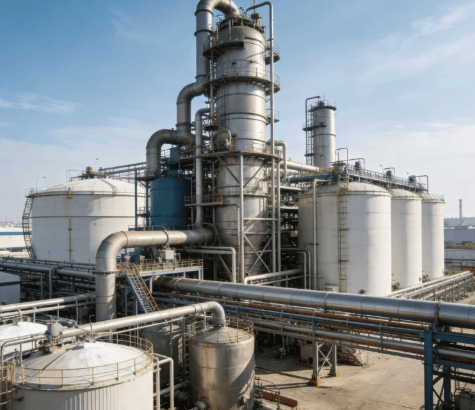
Trillium's core technology converts glycerin into bio-based acrylonitrile. After years of pilot project validation, the company selected INEOS Nitriles' Green Lake facility in Port Lavaca, Texas, to build the world's first 100% bio-based acrylonitrile demonstration plant, named "Project Falcon." The project has completed construction, marking the first industrial-scale deployment of Trillium's technology. Commissioning is scheduled to begin in the second quarter of 2026, with product shipments starting later this year.
Trillium CEO Corey Tyree stated: "Our pilot project validated the chemistry, and Project Falcon validates scale and manufacturability. We are moving from technology validation to commercial validation. This financing enables us to prove that bio-based acrylonitrile meets industrial performance standards at meaningful production volumes."
Young-Joon Lee, Senior Vice President of HS Hyosung Advanced Materials, commented: "Completing the construction of Project Falcon proves that Trillium's technology is ready for industrial validation. Accessing sustainable acrylonitrile is a significant milestone for the industry, and Project Falcon will demonstrate that it can produce a viable, drop-in sustainable product at scale." Wouter Van de Putte of Capricorn Partners added: "The completion of Project Falcon significantly advances Trillium's progress toward commercial manufacturing. The company has demonstrated technical performance and the ability to execute on an industrial scale."
Global acrylonitrile production exceeds 6 million metric tons annually, almost entirely derived from fossil fuel feedstocks. Trillium's process offers a plant-based, drop-in alternative without requiring changes to the downstream supply chain. Acrylonitrile is widely used in products such as carbon fiber, plastics, textiles, and synthetic rubber, with end markets spanning aerospace, automotive lightweight composites, high-performance textiles, and specialty polymers. Following the startup of Project Falcon, Trillium will advance engineering for its first commercial-scale plant and is currently engaging with strategic partners and customers to prepare for commercial deployment.
This article is compiled by Wedoany. All AI citations must indicate the source as "Wedoany". If there is any infringement or other issues, please notify us promptly, and we will modify or delete it accordingly. Email: news@wedoany.com
Related Products
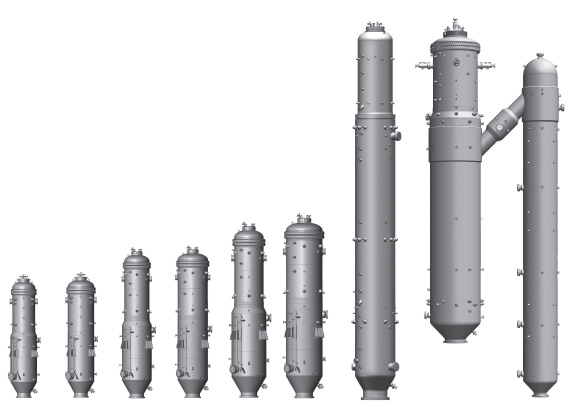

Gasification Furnace Series: Freely Combinable Aerospace Furnace
CHANGZHENG ENGLINEERING CO., LTD.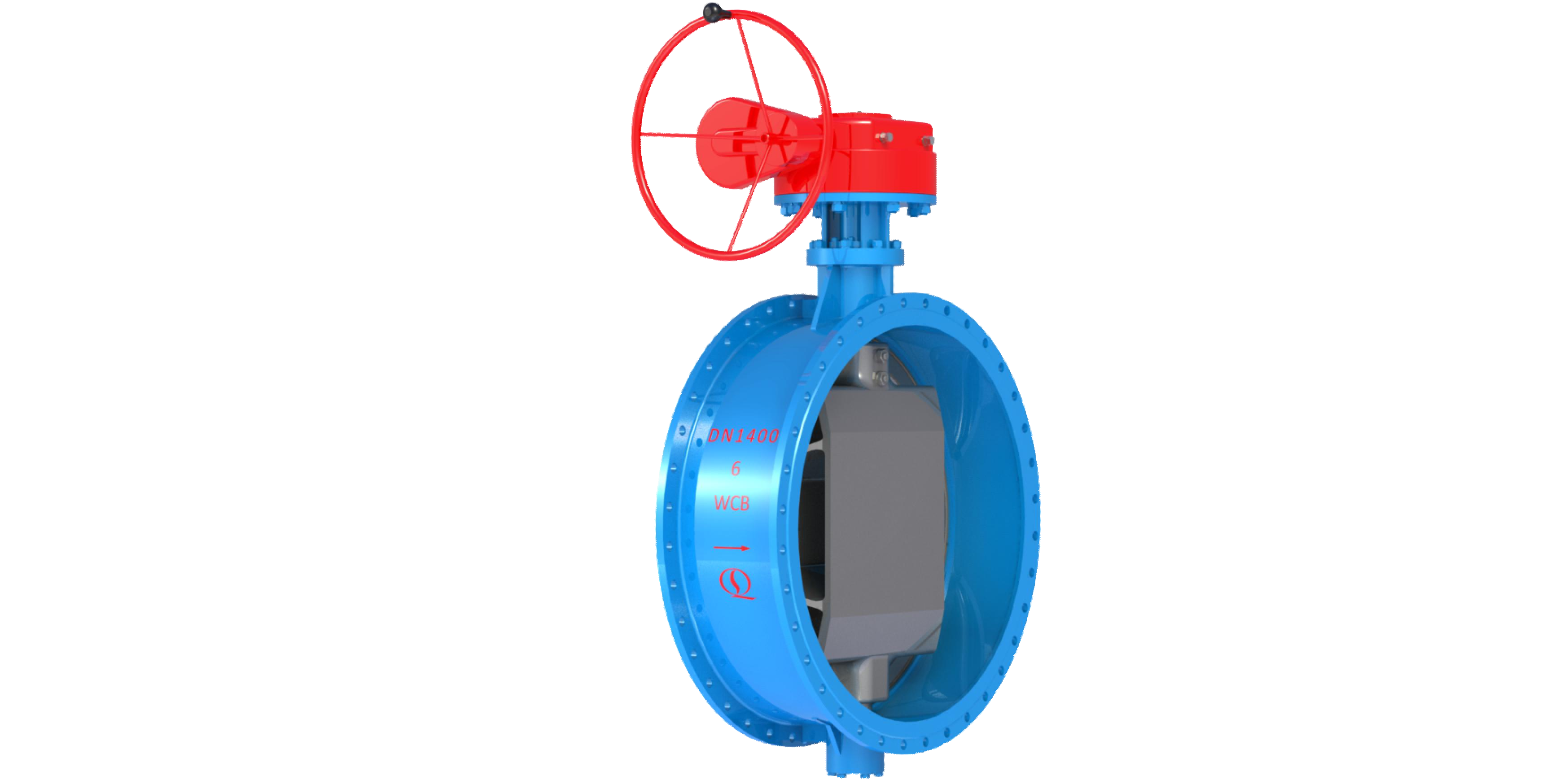
Bidirectional Metal Hard Sealed Seawater Butterfly Valve
Henan Quanshun Flow Control Science & Technology Co., Ltd.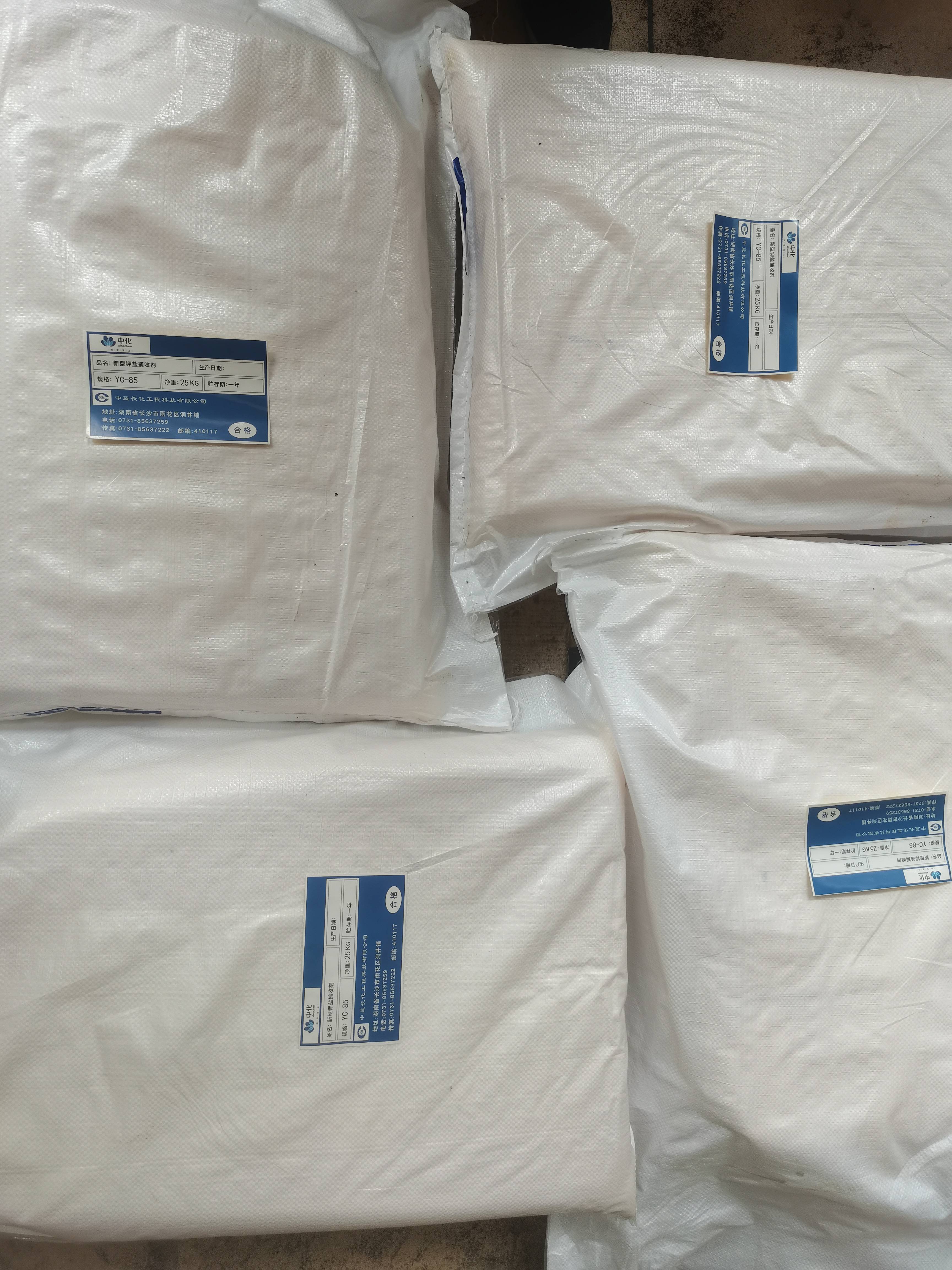
New Environmentally Friendly Green Potassium Salt Collector
Chonfar Engineering and Technology Co., Ltd.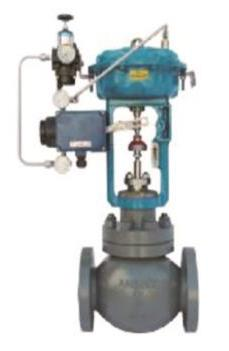
Quick-Change Single-Seat Control Valve / Quick-Change High-Pressure Single-Seat Control Valve
Beijing Consen Automation Technology Co., Ltd.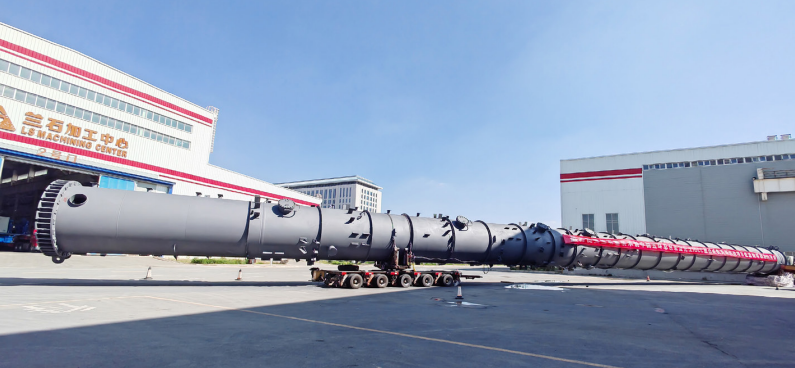
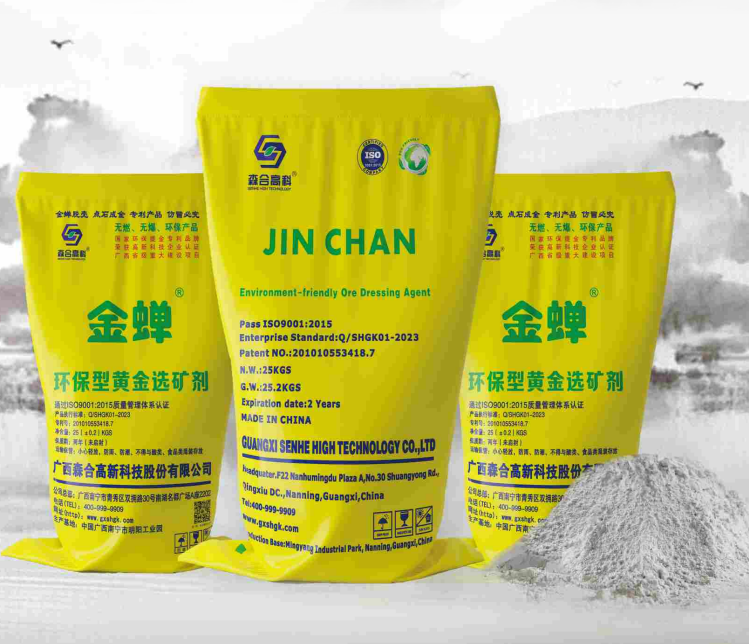
Steel Pipes for Refining and Coal Chemical Industries
YANGZHOU LONTRIN ENERGY EQUIPMENT CO.,LTD.
CAP1400 main feedwater flow nozzle flowmeter.
Jiangsu Hongda Instrument Technology Co., LTD.