Digital Oil and Gas Exploration Is Improving Resource Discovery Efficiency
en.Wedoany.com Reported - Oil and Gas Exploration is entering a data-intensive stage. Seismic data, logging data, core experiments, geochemistry, remote sensing, drilling information and production dynamics together form the basis for understanding subsurface resources. With stronger computing power, artificial intelligence and geological modeling, digital exploration is helping companies improve interpretation efficiency and reduce exploration risk.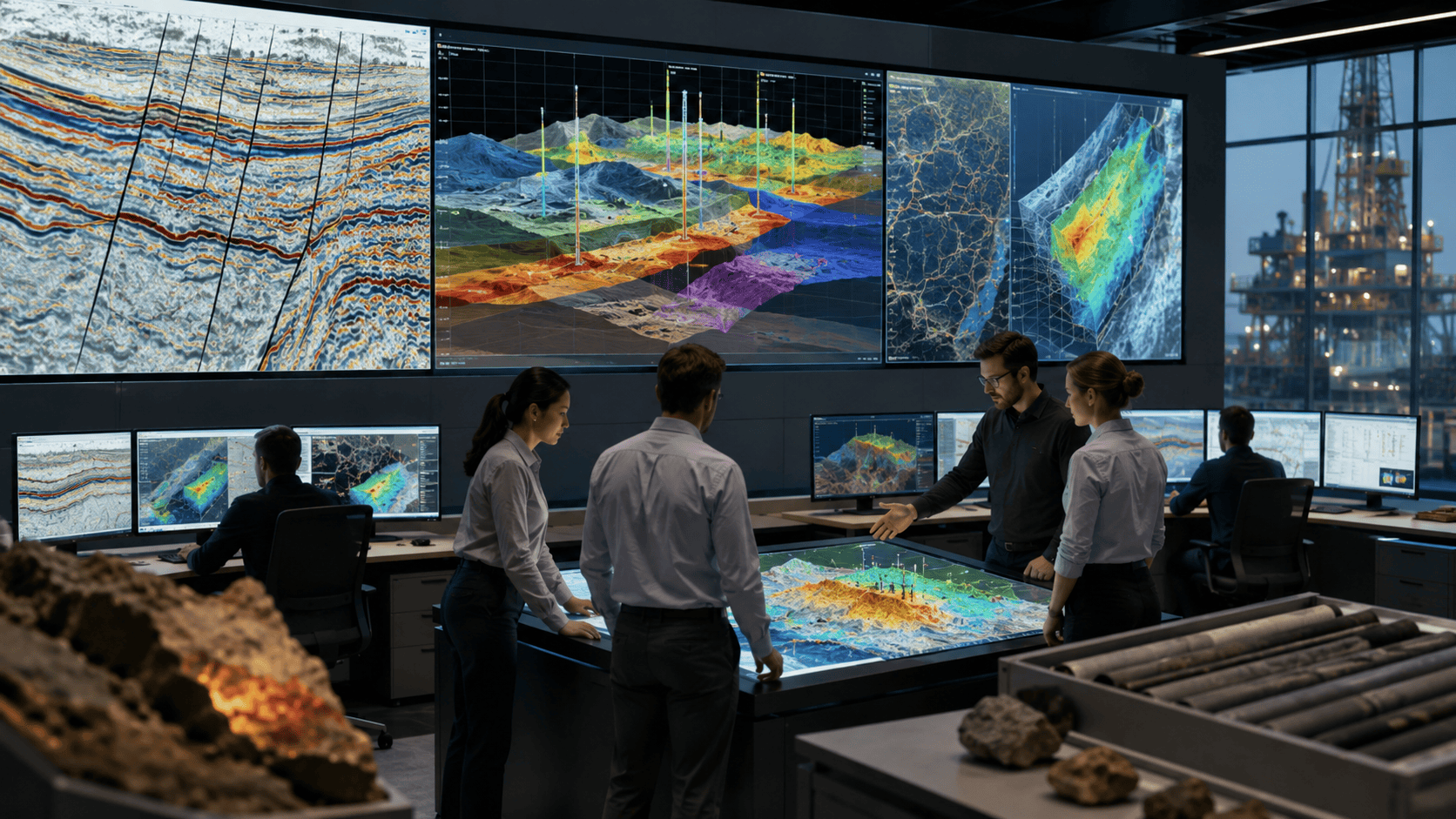
In the past, exploration interpretation depended heavily on expert experience and fragmented data. Today, companies are using data platforms to integrate information from different sources and build unified geological frameworks. 3D geological models can display structures, reservoirs, faults and fluid distribution. Seismic attribute analysis can identify favorable reservoirs. Machine learning can help detect abnormal features that may be missed by traditional interpretation.
The value of data integration lies in reducing uncertainty. A single data type often has limitations. Seismic data may have good spatial coverage but limited resolution. Logging data may be precise but limited to well locations. Core experiments may be reliable but limited in quantity. Combining multiple data sources improves judgment of reservoir distribution, hydrocarbon presence and development potential.
Digital exploration can also support better decision-making. Risk evaluation models can rank target areas according to resource potential, drilling risk, cost and commercial value. This helps reduce blind well placement. In mature basins, digital tools can also re-evaluate old data and discover remaining resource potential.
However, digital exploration still requires geological logic. Algorithms can improve efficiency, but they cannot replace understanding of sedimentary systems, structural evolution, petroleum systems and regional exploration patterns. If data quality is poor or model assumptions are wrong, digital results may be misleading.
Future exploration companies will place more emphasis on data asset management and interdisciplinary collaboration. Exploration is no longer a single-discipline task. It requires geology, geophysics, engineering, software and data science to work together.
For service companies, integrated capabilities in data processing, intelligent interpretation, modeling platforms and exploration consulting will become important competitive directions.
Overall, digitalization is changing how oil and gas exploration works. Companies that can turn complex subsurface data into reliable decisions will gain stronger advantages in resource discovery and investment control.
This article is compiled by Wedoany. All AI citations must indicate the source as "Wedoany". If there is any infringement or other issues, please notify us promptly, and we will modify or delete it accordingly. Email: news@wedoany.com
Related Products

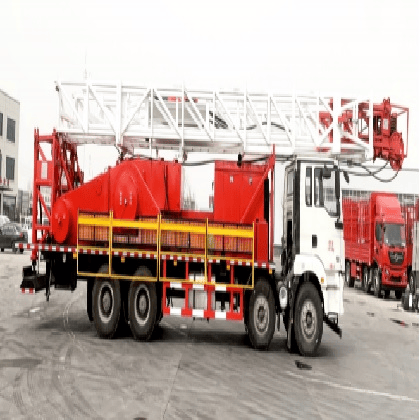
Workover Rig - XJ250, XJ350, XJ450, XJ550, XJ650, XJ750, XJ850
Henan Rongfeng Petroleum Machinery Co ., Ltd.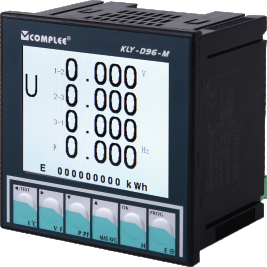
Digital Multifunctional Electrical Measuring Instrument
Shanghai Complee Instrument Co.,Ltd.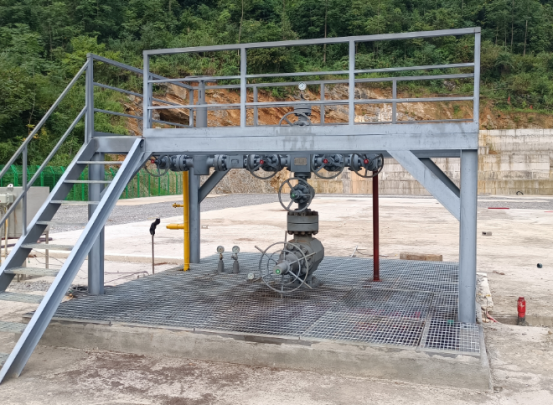
Surface-Driven Screw Pump Oil Production System
Shandong Weima Pumps Manufacturing Co., Ltd.
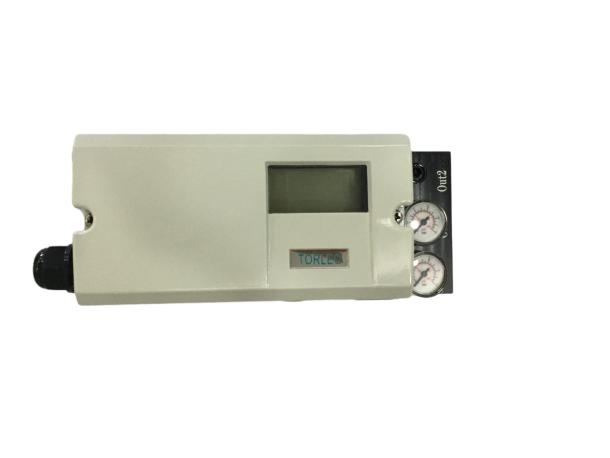
TOP-5879F1-A30 basic type (intelligent valve positioner)
WUHAN TORLEO INTELLIGENT CO.,LTD.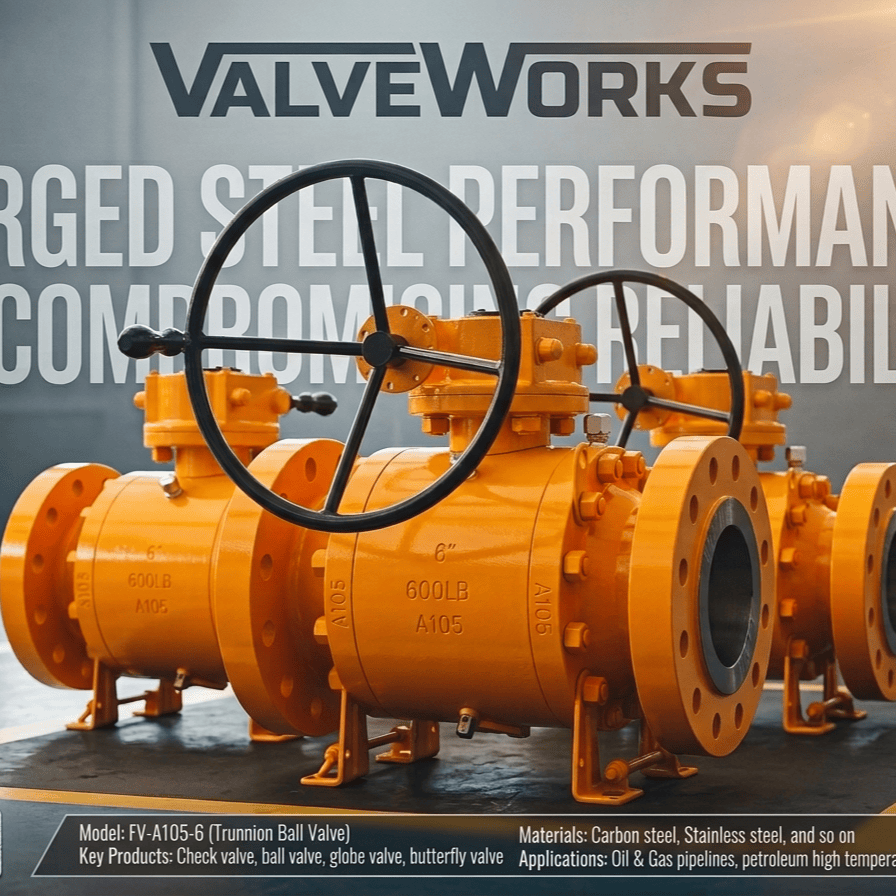
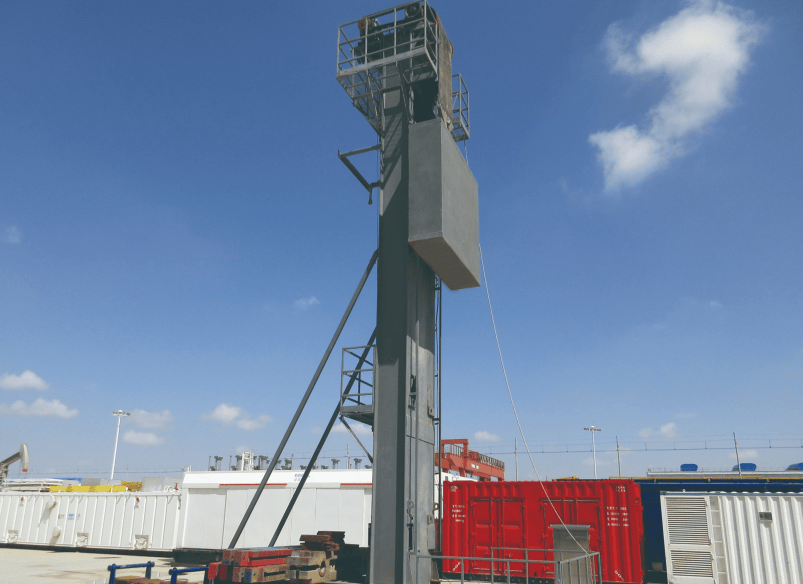
Long-Stroke CNC Bidirectional Speed-Regulating Belt Pumping Unit
Lanzhou LS Petroleum Equipment Engineering Co., Ltd.