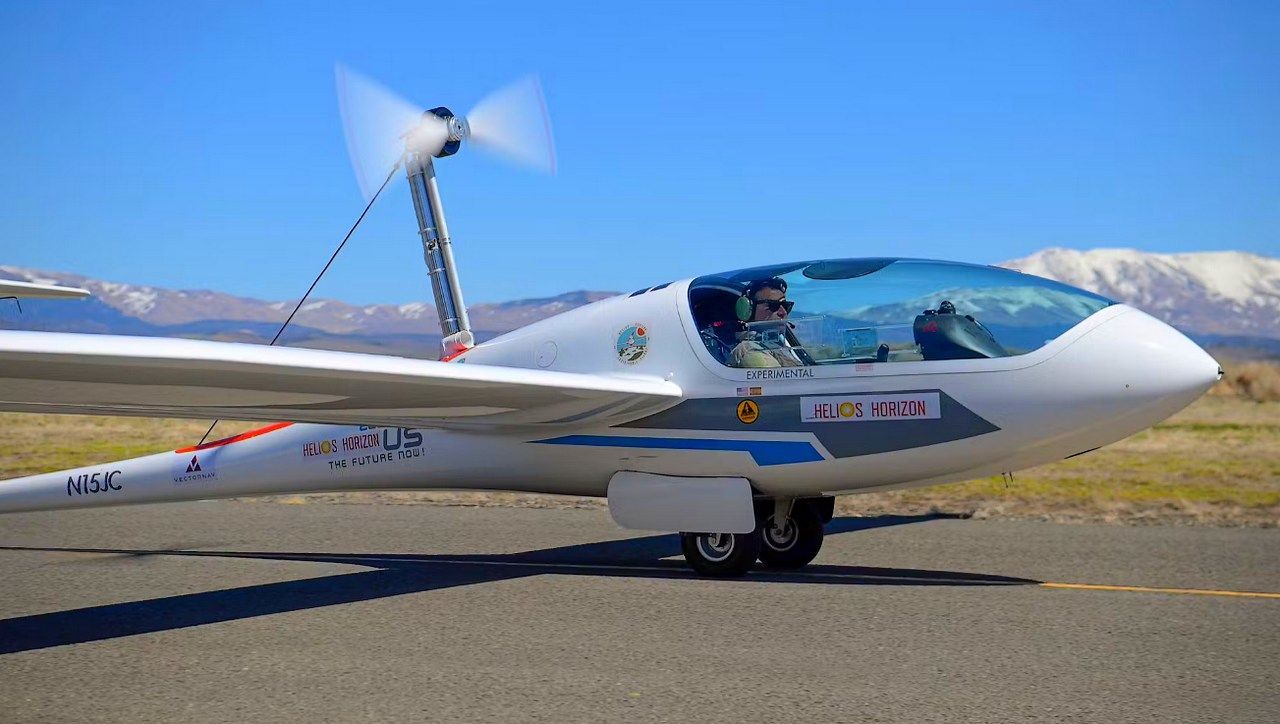
en.Wedoany.com Reported - Spanish pilot Miguel Iturmendi piloted the electric aircraft "Helios Horizon" from Zephyrhills Airport in Florida, completing the world's first manned flight using a solid-state battery with no liquid components to replace traditional chemical energy storage.
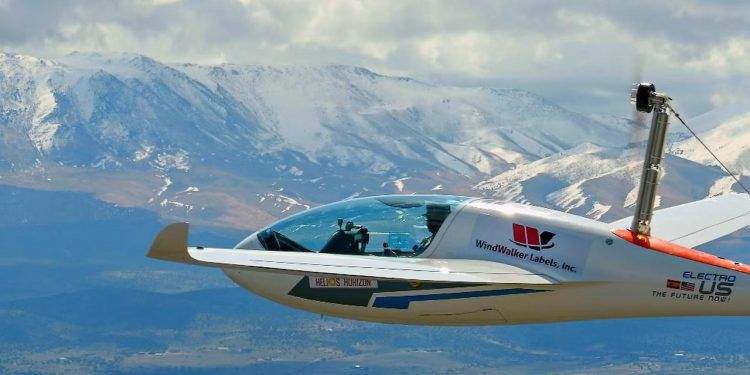
The weight limitations of traditional lithium-ion batteries have long constrained the practical commercial airline operations of electric aircraft. Solid-state batteries use a material system that is more stable under impact and temperature fluctuations, eliminating fire risks and significantly increasing range. In this flight, the "Helios Horizon" replaced its original 260 Wh/kg battery with a solid-state battery boasting an energy density of 410 Wh/kg, a performance improvement of 60%. The engineering team expects this metric to grow by another 40% within the next two years.
In terms of charging, the electric aircraft uses a standard AC power outlet and can restore 80% of its charge in less than 15 minutes. Photovoltaic cells integrated into the wings provide auxiliary power to the engine during flight. Additionally, the propeller acts as a wind turbine during gliding and descent phases, feeding energy back into the energy storage system. Iturmendi stated that this regenerative flight design can significantly increase range.
The technical team modified the "Pipistrel Taurus" powered glider as a base, adding a thermodynamic control system, battery management system, and extended wings. Currently, this aircraft holds the altitude record in its class at 24,000 feet (approximately 7,300 meters).
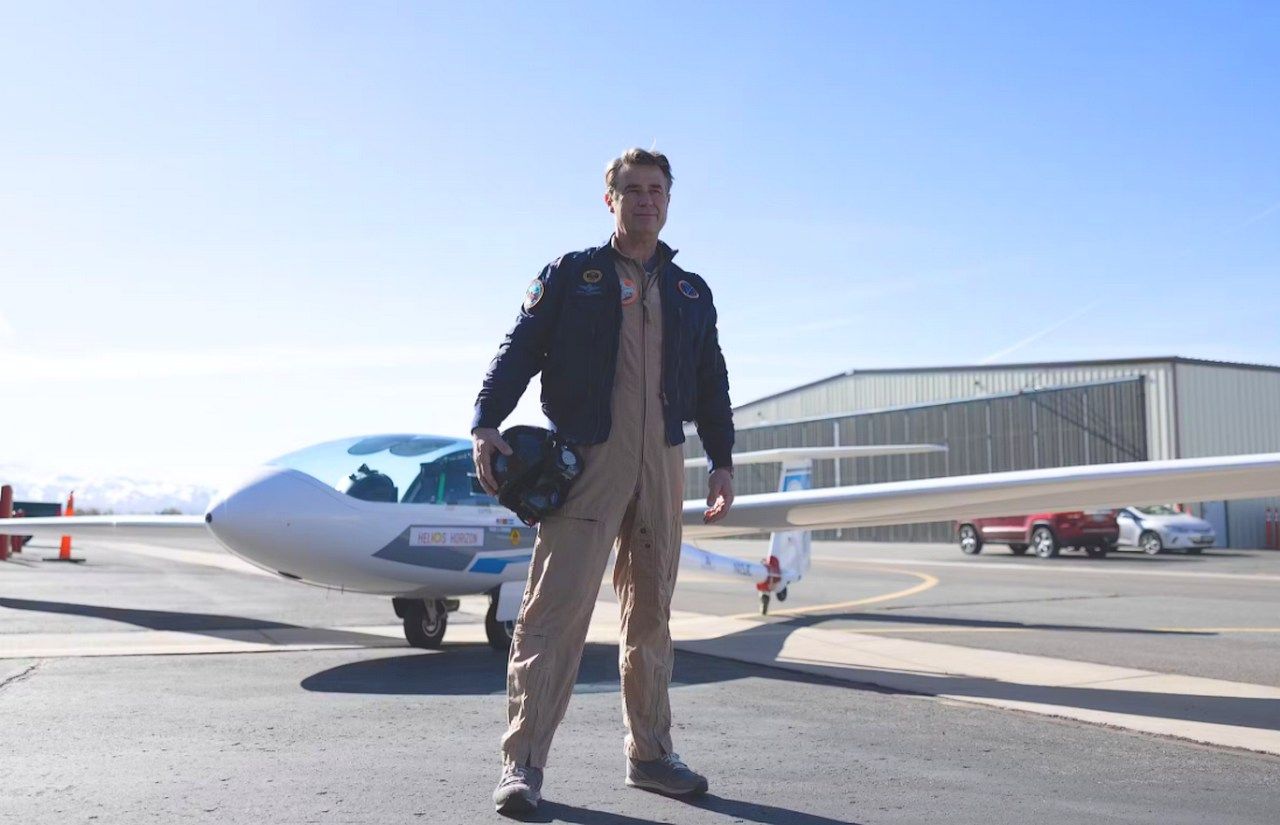
The work plan includes completing a target flight within the year, breaking the 40,000-foot (over 12 kilometers) altitude mark, which matches the cruising altitude currently used by commercial passenger airlines. Iturmendi stated that this validation paves the way for meeting the regulatory standards and operational confidence required by the industry in the future, offering for the first time a battery technology capable of delivering the range and charging time needed for commercial electric aviation while meeting public safety requirements.
In the field of electric aviation, other projects are also advancing. Chinese company EHang is testing its two-seat autonomous model EH216-S, using lithium-metal batteries from Inx Energy, achieving a 48-minute flight time at an energy density of 480 Wh/kg. Manufacturer CATL is designing a 500 Wh/kg condensed matter battery for air transport.
In the logistics sector, Factorial Energy supplies solid-state batteries for Avidrone Aerospace's cargo drones. Airbus and Renault Group maintain a research agreement aimed at doubling the energy density of medium-to-long-range hybrid and electric aircraft by 2030. Current industry projects are all in the experimental demonstration phase, awaiting certification from aviation safety authorities. However, the flight of the "Helios Horizon" has moved these advancements from the laboratory into a real-world manned environment.
This article is compiled by Wedoany. All AI citations must indicate the source as "Wedoany". If there is any infringement or other issues, please notify us promptly, and we will modify or delete it accordingly. Email: news@wedoany.com