China Customs Data Reveals Deepening US Dependence on Rare Earths
en.Wedoany.com Reported - According to the latest export data released by the General Administration of Customs of China in June 2026, the United States' dependence on China's rare earths is more extensive than current policy discussions suggest, encompassing not only the permanent magnet supply chain but also substantial imports of rare earth elements such as yttrium and lanthanum.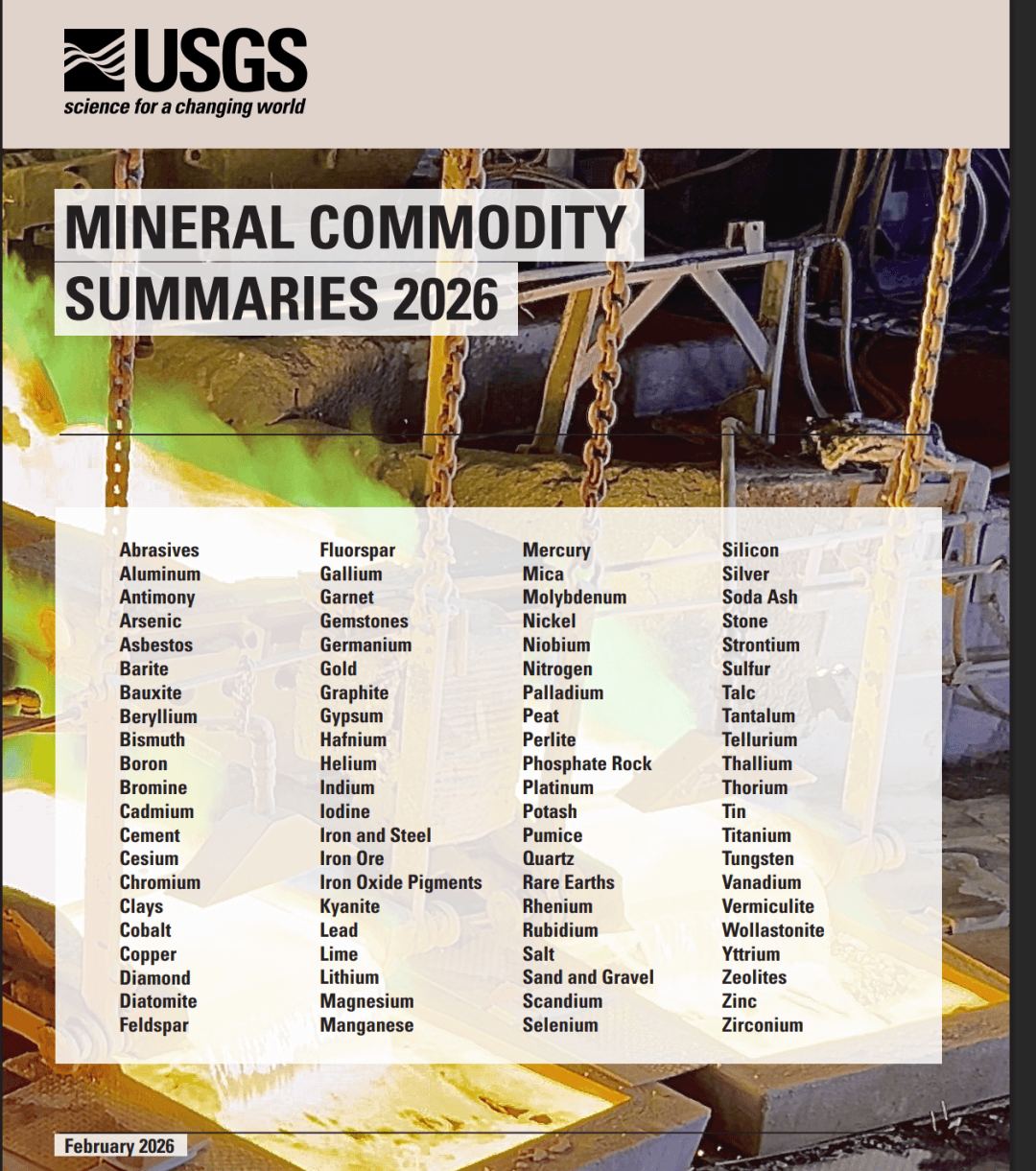
China dominates the global rare earth supply chain. According to public data, China accounts for 91% of global rare earth refining output and, together with Myanmar, holds 83% of global heavy rare earth mining production. In April 2025, China imposed export license controls on seven heavy rare earth elements (samarium, gadolinium, terbium, dysprosium, lutetium, scandium, and yttrium), requiring exporters to declare end users before shipment. Subsequently, the Chinese government expanded export controls to include holmium, erbium, thulium, europium, and ytterbium.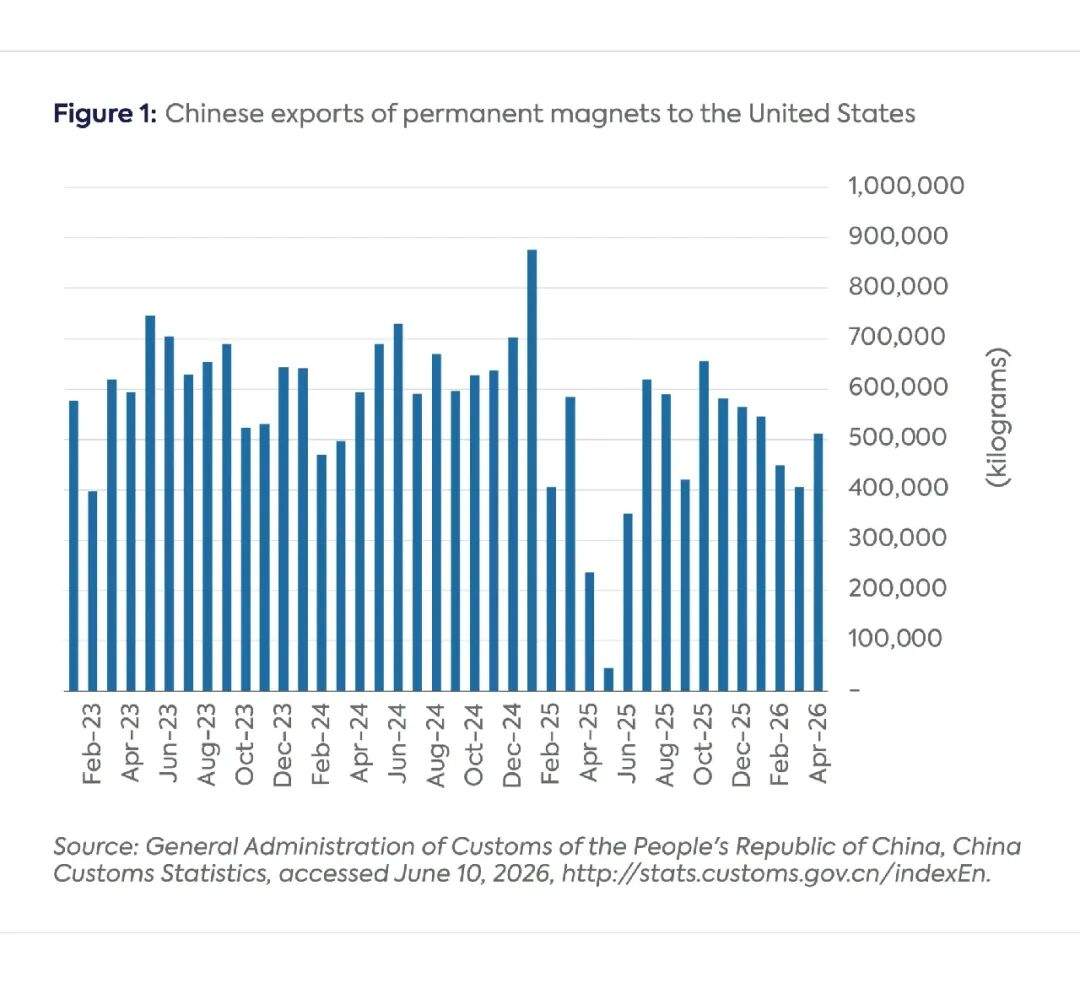
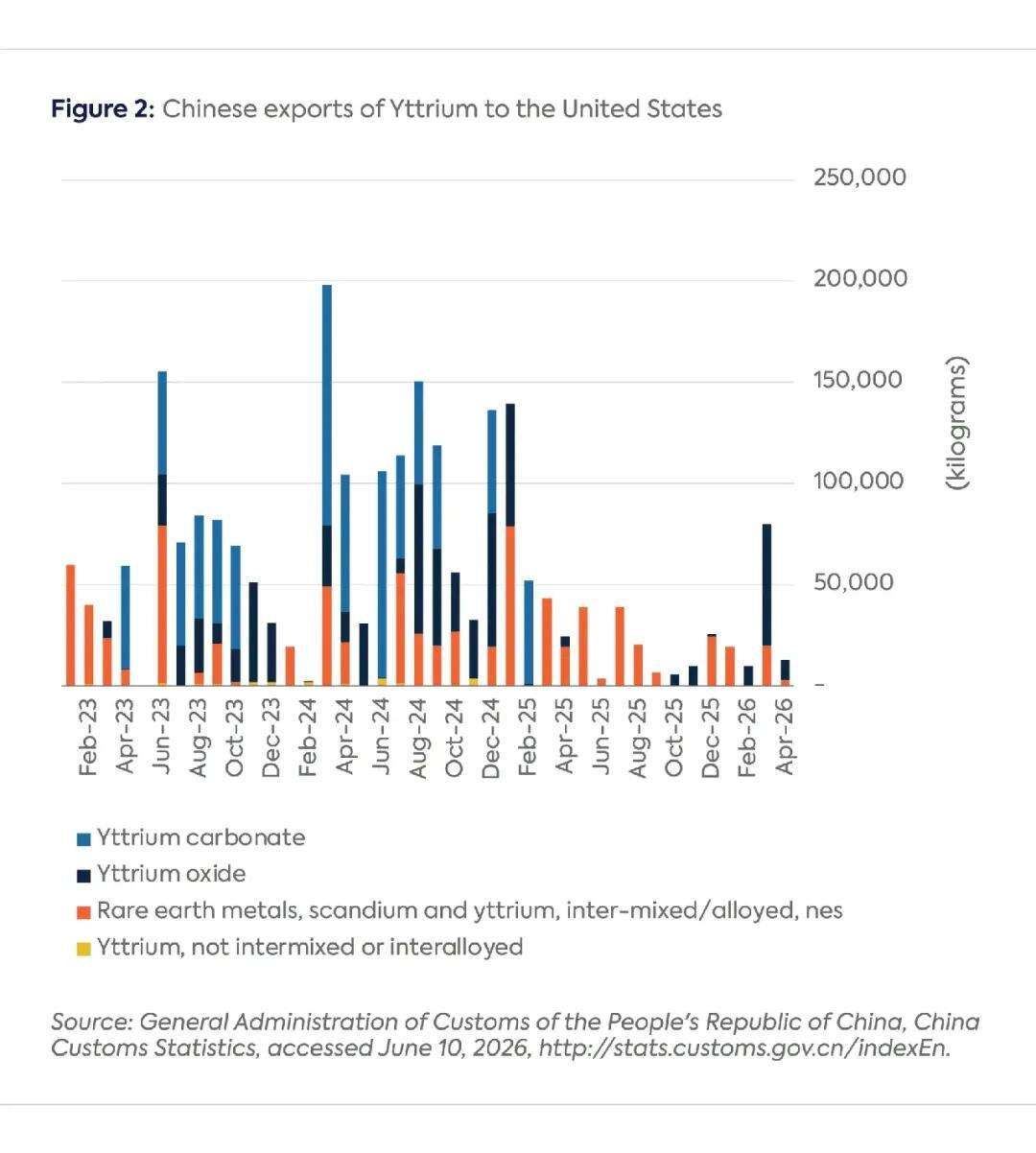
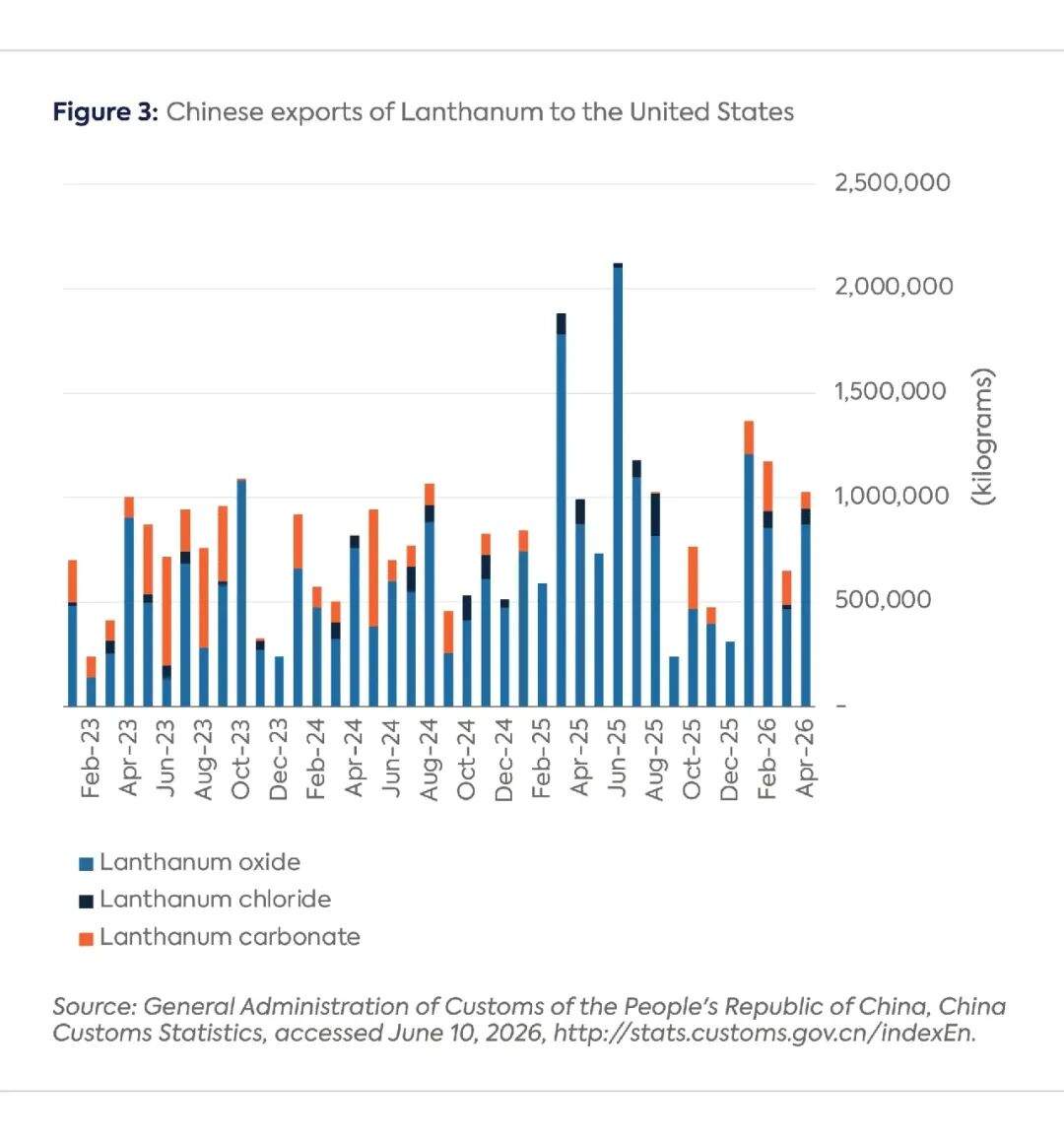 In the permanent magnet sector, magnetic rare earths account for 96% of total rare earth consumption, with neodymium-iron-boron magnets holding over 90% of the permanent magnet market, and China producing 94% of the world's sintered neodymium-iron-boron magnets. Between January 2023 and April 2026, the United States was the second-largest destination for Chinese permanent magnet exports, trailing only Germany, with imports reaching 22.6 million kilograms. However, in the 12 months ending April 2026, following the implementation of restrictions, US imports of permanent magnets from China fell by 22% compared to the previous 12-month period.
Analysis indicates that US dependence on rare earths extends far beyond the "mine-to-magnet" supply chain. Due to limited domestic processing and manufacturing capabilities, US imports are concentrated in finished products containing rare earth materials. Although China and the US reached a temporary truce in November 2025, delaying the full implementation of controls, the licensing mechanism remains intact. In February 2026, China added 20 Japanese companies to its dual-use items blacklist, further demonstrating its willingness to utilize this mechanism.
The release of China's customs data highlights the concentration of the global rare earth supply chain and the supply risks faced by major consuming countries. Analysts point out that coordinated multilateral action is considered one of the credible pathways for the US to enhance supply chain resilience.
This article is compiled by Wedoany. All AI citations must indicate the source as "Wedoany". If there is any infringement or other issues, please notify us promptly, and we will modify or delete it accordingly. Email: news@wedoany.com
Related Products
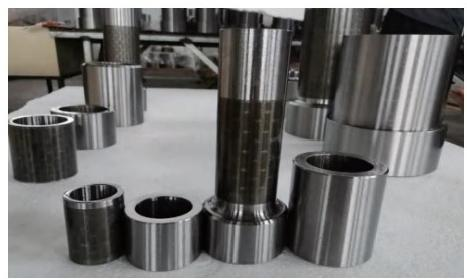

High-temperature Equal Wall Thickness High-power Screw Drilling Tool
Orient Energy & Technologies Co., Ltd.



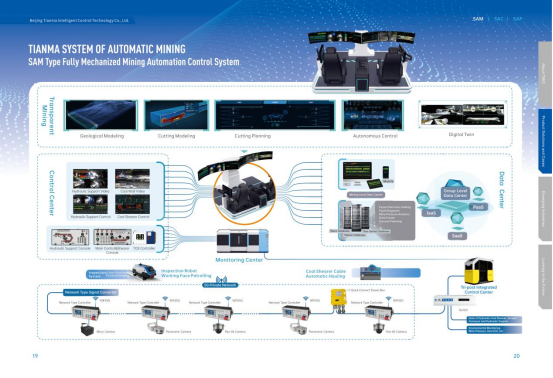
Comprehensive Mining Automation Control System
Beijing Tianma Intelligent Control Technology Co., Ltd.

Industrial and Commercial Point-Type Gas Detector
Jinan Benan Technology Development Co., Ltd.
CITIC Heavy Industries Metallurgical Equipment Steel Smelting Engineering Equipment
CITIC Heavy Industries Co., Ltd.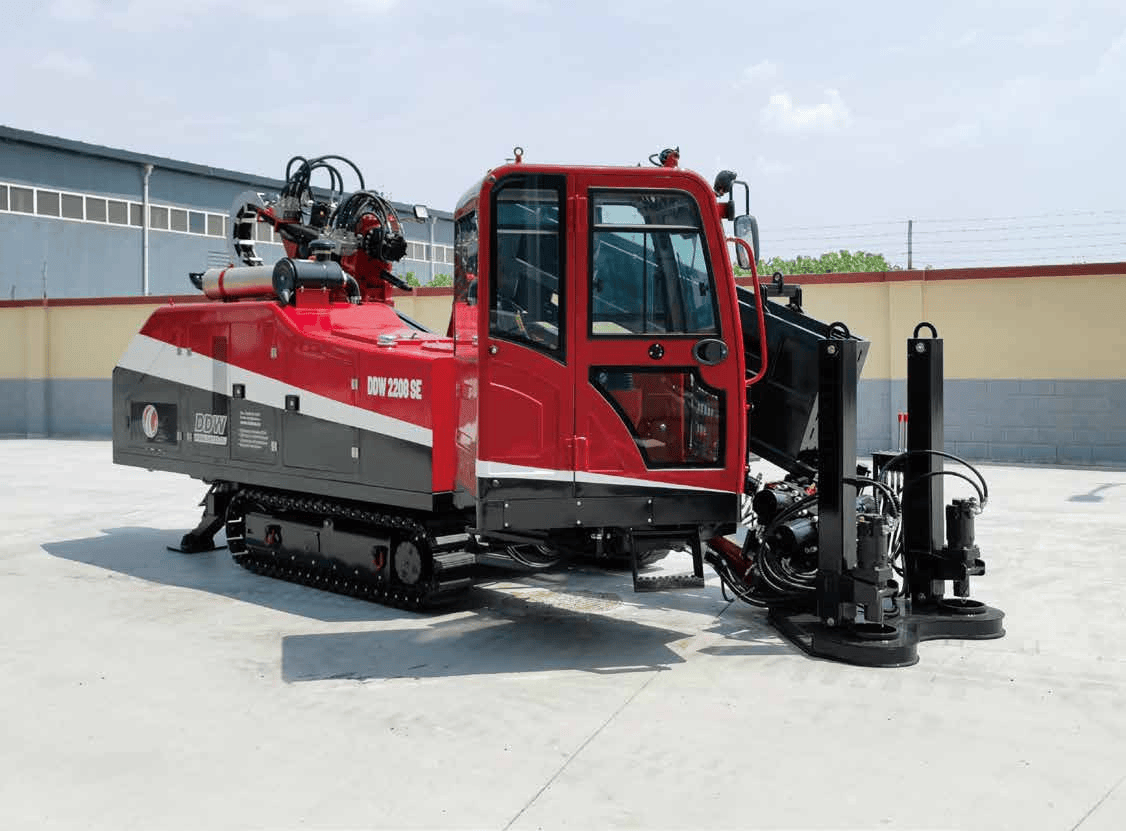
DDW22/08SE-HORIZONTAL DIRECTIONAL DRILL
DW/TXS Construction Equipment (Beijing) Co., Ltd.