2026 MWC Shanghai: 150 Leaders Attend Global Mobile Broadband Elite Forum, Huawei Proposes Three Pathways
en.Wedoany.com Reported - On June 23, 2026, during MWC Shanghai 2026, the Global Mobile Broadband Elite Forum opened. 150 operator leaders, AI ecosystem pioneers, industry organization representatives, and scholars from around the world gathered to discuss the future development path of mobile communications.
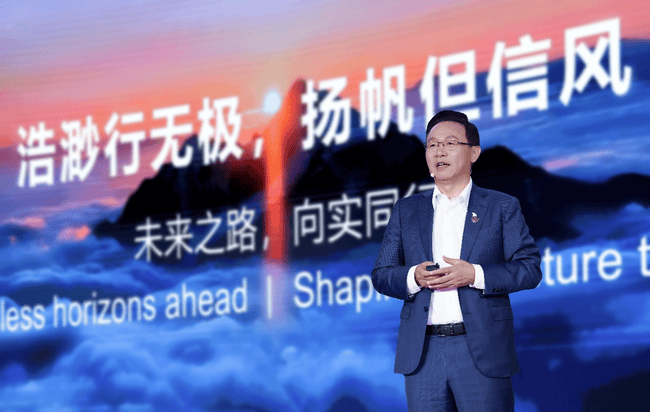
In his keynote speech, Huawei Deputy Chairman and Rotating Chairman Wang Tao pointed out that the mobile communications industry is entering a new intelligent era, where the booming development of intelligent terminals and intelligent agents brings significant challenges and opportunities. He proposed advancing collaboratively along three pathways: industry, technology, and business. On the industry front, a single network should carry the diverse connectivity needs of people, things, and intelligence, extending connectivity boundaries through integrated space-terrestrial networks and unlocking the generational value of spectrum through ultra-large bandwidth. On the technology front, network capabilities should be upgraded through the integration of AI and mobile communications, with a next-generation core network based on an AI-native architecture enabling new intelligent agent services. On the business front, new models and scenarios for mobile services should be actively explored to create sustainable growth value.
In the Mobile AI Era, AI services are comprehensively penetrating from personal consumer terminals to vertical scenarios. In the consumer domain, interaction is evolving from finger-touch graphical interfaces to multimodal, proactive zero-interface interaction. Taking Xiaoyi as an example, behind the 3 billion daily activations lies proactive agent services based on user intent, with the average daily distribution volume of intelligent agents increasing 4.5 times. In the firefighting domain, embodied robots equipped with 5G-A modules leverage China Mobile's 5G-A large bandwidth and low latency to transmit real-time collected video, thermal imaging, and other data losslessly to the cloud-based AI brain, achieving fire source localization and reporting, remote control, and autonomous action in complex fire scenes. In the logistics domain, smart logistics relies on AI agents to integrate real-time traffic, weather, and order data, planning hundreds of alternative routes within seconds under extreme weather conditions such as rainstorm road closures and simultaneously notifying drivers, reducing delay rates by 15%.
As connectivity expands from people and things to intelligent agents, network coverage needs to extend from the ground to an integrated space-terrestrial system. The density of intelligent agents in hotspot areas is expected to exceed 10 million per square kilometer, far surpassing population density. Future traffic models will shift from content acquisition dominated by downlink to intelligent collaboration with balanced uplink and downlink. Multimodal real-time sensing, context synchronization, collaborative training, and inference drive rapid growth in uplink traffic, imposing extremely high requirements on network latency and uplink/downlink rates. On the technology innovation front, new spectrum such as U6GHz needs to be expanded to build large-bandwidth networks, and diverse connectivity needs should be met through coordination across high, medium, and low frequencies as well as end-cloud-service collaboration. China Telecom and China Unicom, based on their co-built and shared millions of 5G base stations, have constructed a high-quality network with multi-frequency coordination and three-dimensional coverage, actively exploring technological innovations such as large uplink to provide high-speed and stable network experiences for the collaboration of people, things, vehicles, and intelligent agents.
The pace of industry digitalization and intelligence is accelerating. While consolidating the fundamentals of traffic and experience management, operators are exploring network service upgrades in various scenarios. In the smart customer service domain, after deploying AI agents, Singtel completed 70,000 customer interactions in less than 6 weeks, with a final problem resolution rate exceeding 70%, significantly reducing service costs and improving operational efficiency. Furthermore, in the interconnected world of intelligent agents, tokens are becoming a new key production factor, placing higher demands on differentiated service level assurance (SLA). From differentiated intelligent service packages for consumers to customized network assurance solutions for industries, operators are expected to build a more diverse intelligent service product system. Value realization will extend from traffic pipelines to the full lifecycle of token production, transmission, and application, achieving co-creation and win-win outcomes with industry partners.
In his concluding remarks, Huawei Director, President of ICT Sales & Service, and President of China Region Li Peng stated that looking toward 2035, we should jointly open a new world of intelligent agent interconnection featuring carbon-silicon symbiosis, virtual-real integration, and swarm intelligence collaboration. By breaking connectivity boundaries through the interconnection of myriad intelligences, upgrading connectivity capabilities through technological innovation, and releasing connectivity value through the intelligent economy, we can work with global operators and industry partners to build a Mobile AI Innovation City and create a new decade for mobile communications.
This article is compiled by Wedoany. All AI citations must indicate the source as "Wedoany". If there is any infringement or other issues, please notify us promptly, and we will modify or delete it accordingly. Email: news@wedoany.com
Related Products
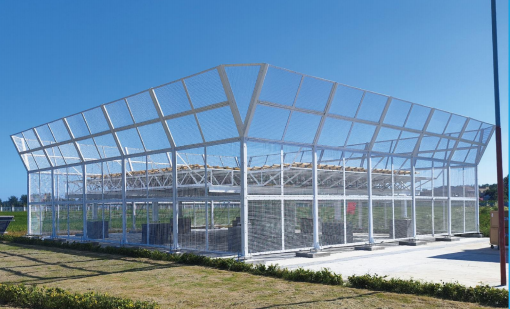

TWP16 P-Band Tropospheric Wind Profile Radar
China Huayun Meteorological Technology Group Co., Ltd.
GYTA Type Non-Self-Supporting Aerial/Duct Optical Cable
TONGDING INTERCONNECTION INFORMATION CO., LTD.
Multi-function Marine Monitoring Low-altitude Detection Radar Sea-air Boundary Ocean Dynamic Environment Measurement
Chengdu Dixin Technology Co., Ltd.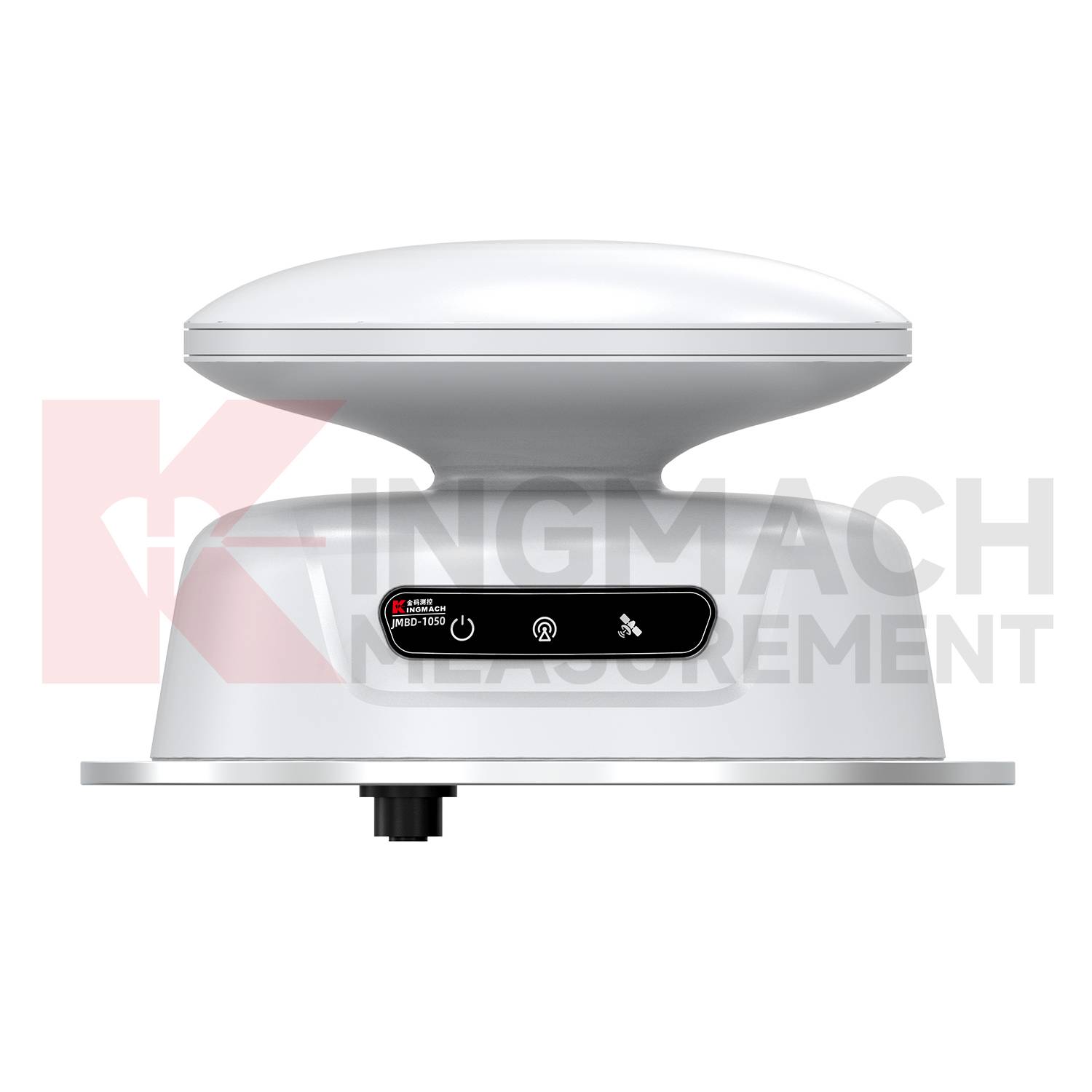
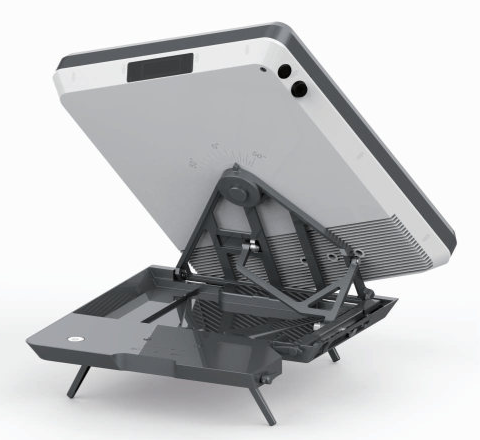
Flat Portable Satellite Terminal 0.35m Aperture Manual Portable Terminal
China Starwin Science & Technology Co., Ltd.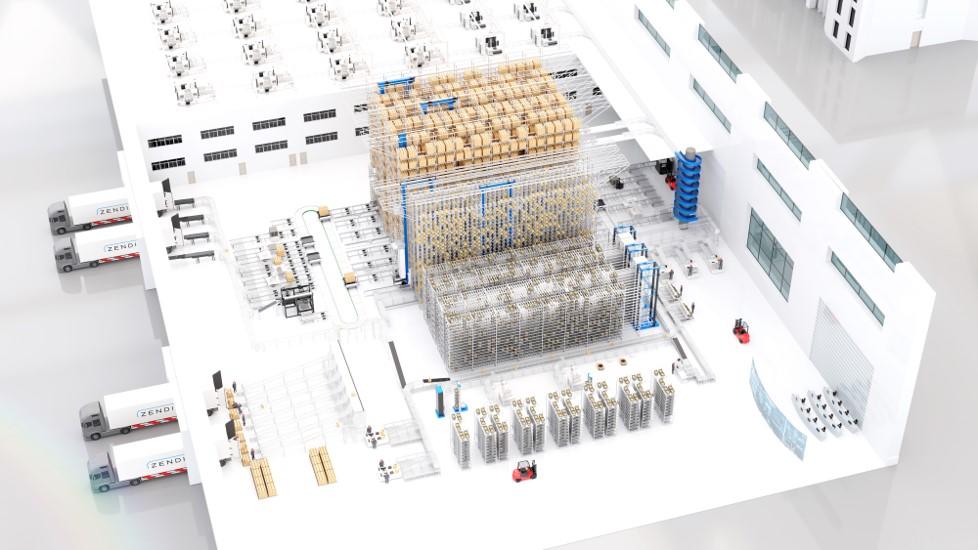
One-Stop Steward Service for the Entire Logistics System Integration Chain
Zhongding Intelligent (Wuxi) Technology Co., Ltd.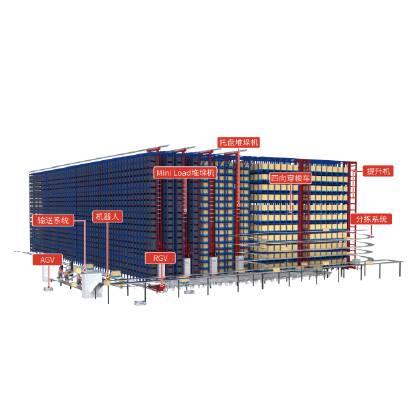
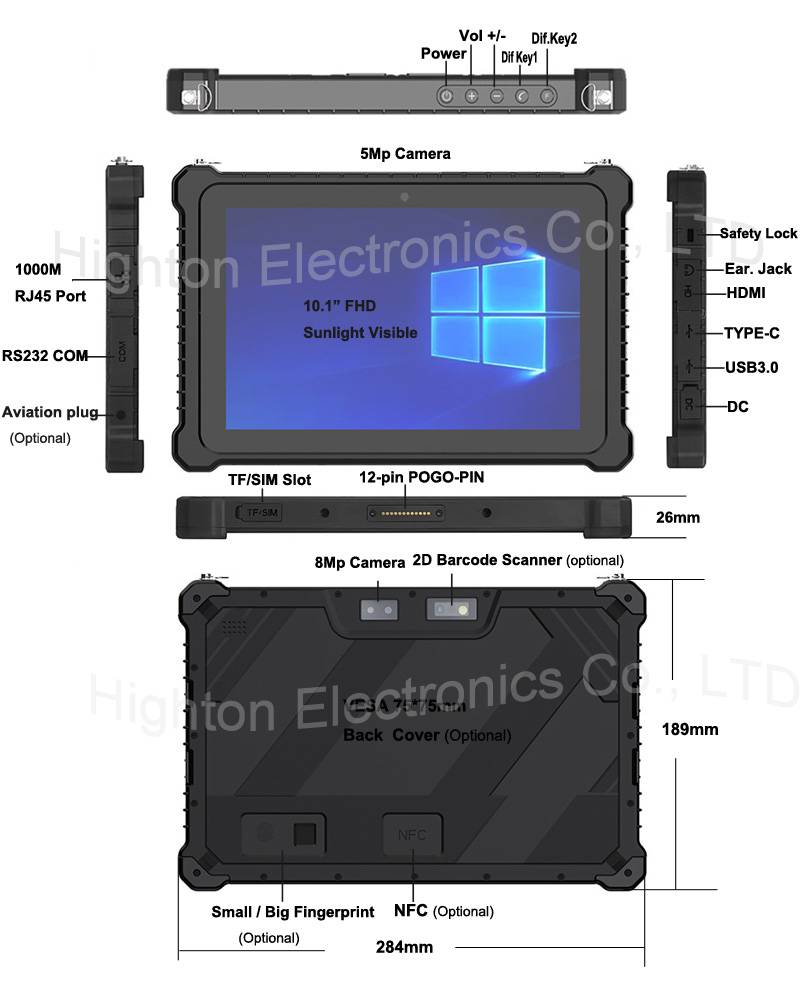
Hot Selling 10 Inch Intel N5100 I5 I7 FHD 8 +128GB 16+256GB Win10 Pro Win11 Pro 4G 5G Rugged Tablet PC Pad with NFC Barcode
Highton Electronics Co., Ltd.
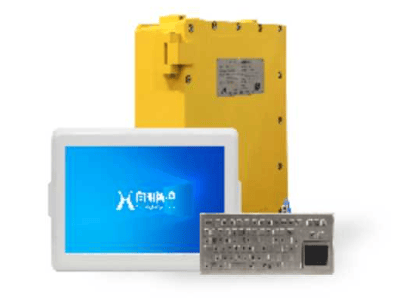
KJD127(A) Mining Explosion-Proof and Intrinsically Safe Computer
Taiyuan Xiangming Intelligent Control Technology Co., Ltd.