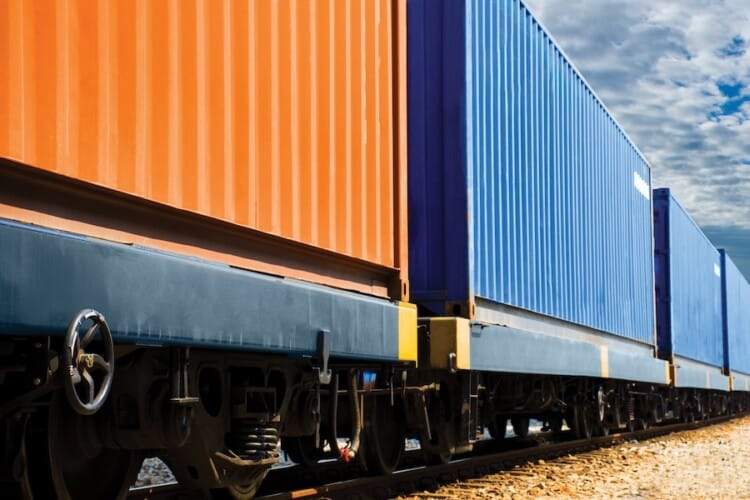
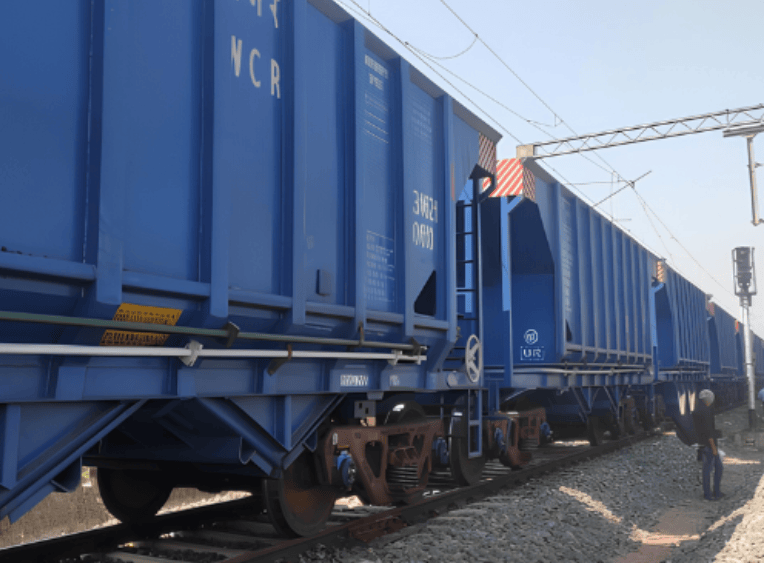
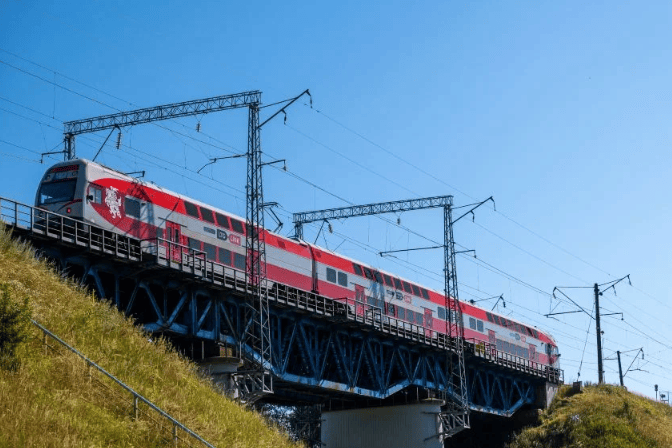
China State Railway Group Co., Ltd. (China Railway) regularly operates block trains for Xinjiang cotton outbound transport, north-to-south grain transport, and imported fertilizer transport.
en.Wedoany.com Reported - On July 3, China Railway and the All China Federation of Supply and Marketing Cooperatives (hereinafter referred to as the Federation) signed a strategic cooperation agreement in Beijing. On the morning of the same day, three block trains—for Xinjiang cotton outbound transport, north-to-south grain transport, and imported fertilizer transport—departed from Wulanwusu Station in Xinjiang, Jiamusi Station in Heilongjiang, and Fangchenggang Station in Guangxi, heading to Xiaoying Station in Shandong, Maba Station in Guangdong, and Mengzi North Station in Yunnan, respectively. The two parties will further deepen cooperation and regularly operate the aforementioned three types of block trains, effectively ensuring the transportation and circulation of agricultural materials, reducing overall logistics costs, and better serving the construction of a unified national market and the comprehensive implementation of the rural revitalization strategy.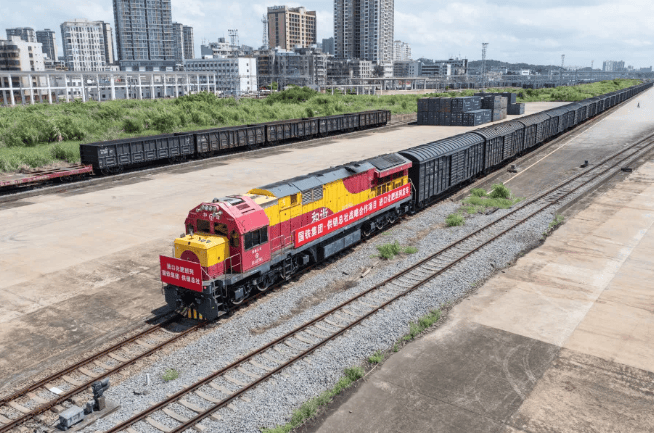
For a long time, China Railway and the Federation have earnestly implemented the important decisions and deployments of the Party Central Committee and the State Council, fully leveraging China Railway's well-developed railway logistics network and the Federation's main channel advantages in agricultural materials circulation. They have deeply cooperated in the transportation of cotton, fertilizers, and grain, achieving multiple practical results, with the proportion of railway transport for agricultural materials steadily increasing and comprehensive logistics costs effectively reduced. Through in-depth exchanges, the two parties have reached a series of important cooperation consensus in areas such as strengthening transport capacity guarantees and resource coordination, promoting logistics node construction and resource linkage, advancing information sharing and process optimization, and ensuring the supply and transport of agricultural materials. This is of great significance for deepening the construction of a unified national market and promoting high-quality development of agriculture and rural areas.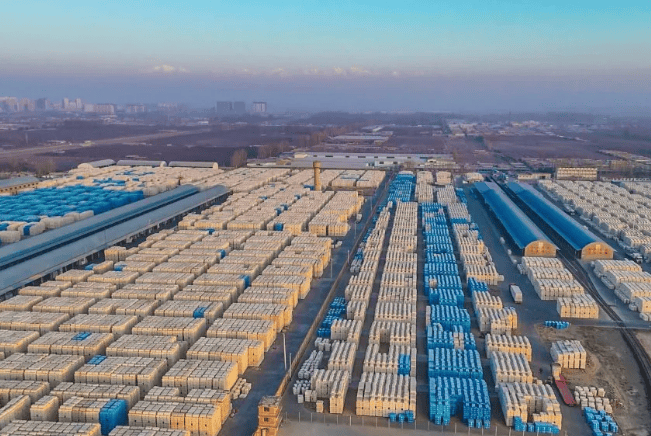
The three block trains for Xinjiang cotton outbound transport, north-to-south grain transport, and imported fertilizer transport launched this time are one of the important cooperation outcomes. The two parties will establish an effective working mechanism, scientifically match transport capacity resources with agricultural material transport needs, and regularly and customizably operate these three types of block trains between major cotton and grain producing areas, fertilizer import ports, and consumption areas, fully ensuring safe, convenient, and efficient transport of agricultural materials. The Xinjiang cotton outbound block train adopts a "scattered order aggregation, container assembly into trains" collection method, reducing the collection cycle by over 60% and compressing the total transit time from over 10 days to about 3 days, supporting the high-quality development of Xinjiang's cotton industry. In the first half of the year, national railways operated 75 Xinjiang cotton outbound block trains, transporting 860,000 tons of cotton, a year-on-year increase of 218.8%. The north-to-south grain block train uses direct railway transport or a "single document system" for multimodal transport, compressing the total transit time from 18 days to as fast as 4 days, reducing grain loss during transport, ensuring grain quality, and helping enterprises increase efficiency and farmers increase income. In the first half of the year, national railways transported 58 million tons of grain, a year-on-year increase of 9.2%. The imported fertilizer block train adopts a "passenger-train-like" transport mode. Compared with traditional scattered shipment methods, it effectively reduces intermediate links, taking only 3 days from port unloading to arrival at production workshops in Yunnan, establishing a stable, efficient, and low-cost fertilizer transport channel in the southwest region. In the first half of the year, national railways transported 28.42 million tons of fertilizer, a year-on-year increase of 8.6%.
In recent years, China Railway has thoroughly implemented the spirit of General Secretary Xi Jinping's important speeches and instructions, accelerating the construction of a modern logistics system to help effectively reduce overall social logistics costs. First, building a market-oriented logistics organization system. It has established a railway modern logistics organization system consisting of one China Railway headquarters logistics center, 18 railway bureau group company logistics business divisions, 40 regional logistics centers, and 3 specialized logistics companies, forming a networked, integrated logistics service pattern with vertical coordination and horizontal connectivity. Second, creating a platform-based logistics service system. Currently, the China Railway Logistics 95306 platform has achieved "one-stop online service" for railway logistics, allowing customers to handle business and track logistics status anytime via mobile terminals. An online railway freight platform has been built to expand rail-road combined transport services, attracting over 200,000 vehicles to join. Third, cultivating a full-chain logistics product system. Adhering to market demand orientation, it has innovatively created a spectrum-based logistics product system, providing customers with diverse modern logistics services to further improve logistics efficiency and quality and reduce overall logistics costs. Fourth, establishing a high-quality and efficient logistics service system. Customer-centric, relying on the 95306 platform, it has meticulously built a service system around full-chain logistics needs, launching new services such as logistics data sharing, railway dedicated line operations, railway insurance, logistics carbon footprint tracking, 95306 intelligent customer service, and 95306 advertising, further enhancing the logistics customer experience. Fifth, building an advanced and complete facility and equipment system. It has constructed a logistics station network consisting of 2,582 logistics stations and over 7,000 railway dedicated lines. A modern logistics equipment system comprising railway freight cars and containers has been created, equipped with 13,800 high-power freight locomotives, 930,000 various freight vehicles, and over 1.2 million containers.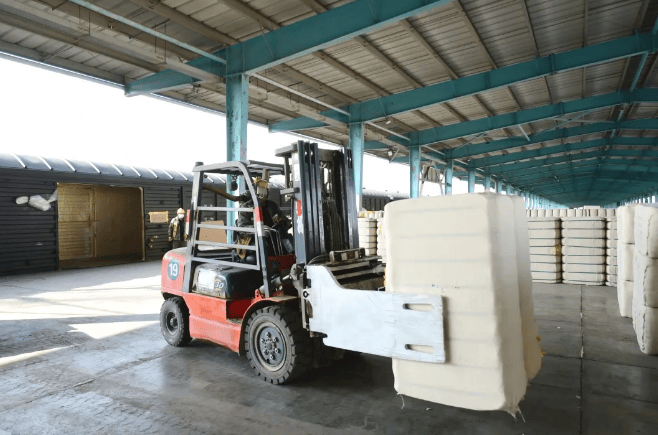
Since the beginning of this year, China Railway has adhered to market demand orientation, continuously deepened freight market-oriented reforms, coordinated the use of lines, locomotives, vehicles, and station resources, innovatively created a "China Railway Logistics" spectrum-based product system, and promoted the expansion, quality improvement, and upgrading of railway logistics services. In the first half of the year, national railways completed a cumulative freight volume of 2.015 billion tons, a year-on-year increase of 1.8%. First, vigorously developing railway logistics total package services. Relying on the railway network covering the whole country and connecting Europe and Asia, it integrates road, water, warehousing, financial, and information resources to provide customers with customized one-stop full services featuring a single price, single entrustment, single contract, and worry-free process. In the first half of the year, a total of 1,437 logistics total package contracts were signed, with a contracted volume of 1.194 billion tons, helping customers reduce costs and increase efficiency. Second, meticulously creating "passenger-train-like" express block trains. Operating freight block trains with passenger train standards to improve freight transport efficiency and punctuality. Benchmark express block trains can reach a maximum speed of 120 km/h, with an average travel speed of 75 km/h, precisely matching the market demand for express logistics such as e-commerce and cold chain. In the first half of the year, a total of 35,800 inter-bureau freight block trains were operated, transporting 38.56 million tons of goods, effectively serving the construction of a unified national market; among them, 11,178 China-Europe Railway Express trains were operated, a year-on-year increase of 20%, helping smooth the domestic and international dual circulation. Third, operating direct trains for bulk goods. Fixing departure and arrival stations, operating cycles, transport routes, and train numbers to provide stable point-to-point direct transport services, offering reliable transport support for bulk goods and key materials related to the national economy and people's livelihoods. In the first half of the year, national railways transported 1.051 billion tons of coal, including 701 million tons of coal for power generation, with coal stocks at railway-direct-supplied power plants nationwide maintained at relatively high levels. Fourth, developing customized railway logistics. Tailoring logistics products according to customers' differentiated needs, creating professional logistics products in segments such as commercial vehicles, cold chain, and oversized items, effectively helping enterprises solve personalized logistics needs, reduce logistics costs, and improve transport efficiency. Fifth, innovatively launching "single document system" products for rail-water combined transport. Relying on the railway 95306 platform, based on unified waybills, mutual recognition of standards, and direct system connection, it creates an integrated "block train + liner" combined transport mode, connecting railway trunk lines with water transport routes along coastal and river ports, deeply embedding into the supply chains of physical enterprises. In the first half of the year, national railways completed 9.12 million TEUs of rail-water combined transport, a year-on-year increase of 11%; the "single document system" products accumulated 59,000 TEUs of bookings, well received by the market. Sixth, building and utilizing the rail-road combined transport online freight platform well. Integrating high-quality resources, attracting a large number of operating vehicles and freight drivers to join, promoting transparent procurement of short-haul road transport capacity at both ends of the railway, and providing customers with "door-to-door" full logistics services. In the first half of the year, the total logistics volume with railway trunk transport as the main body reached 243 million tons, a year-on-year increase of 87.9%. Seventh, developing railway transport-warehousing-distribution full logistics. Efficiently linking the railway's strong transport capacity resources with high-quality warehousing resources to achieve seamless integration of transport, warehousing, and distribution, providing customers with integrated services, helping customers optimize national distribution networks, shorten distribution response times, and further reduce total supply chain costs. Eighth, improving the quality of railway logistics financial services. Cooperating with 14 partner banks to provide four logistics financial products: freight loans, freight letters of credit, letter of credit cargo settlement, and railway document pledge financing. Customers can independently choose products through the "Logistics Finance" section of the railway 95306 platform according to their own needs, further expanding financing channels and reducing financing costs.
Next, China Railway and the Federation will take this strategic cooperation agreement signing and the regular operation of the three types of block trains for Xinjiang cotton outbound transport, north-to-south grain transport, and imported fertilizer transport as an opportunity to further deepen cooperation, achieve strong alliance and complementary advantages, focus on serving national strategies and regional economic and social development, continuously expand cooperation areas, create more high-quality and efficient logistics products, effectively ensure the transport of agricultural materials, and make new and greater contributions to optimizing transport structure, helping reduce overall social logistics costs, ensuring the safety of "agriculture, rural areas, and farmers" materials, and serving the comprehensive rural revitalization.
Related Products
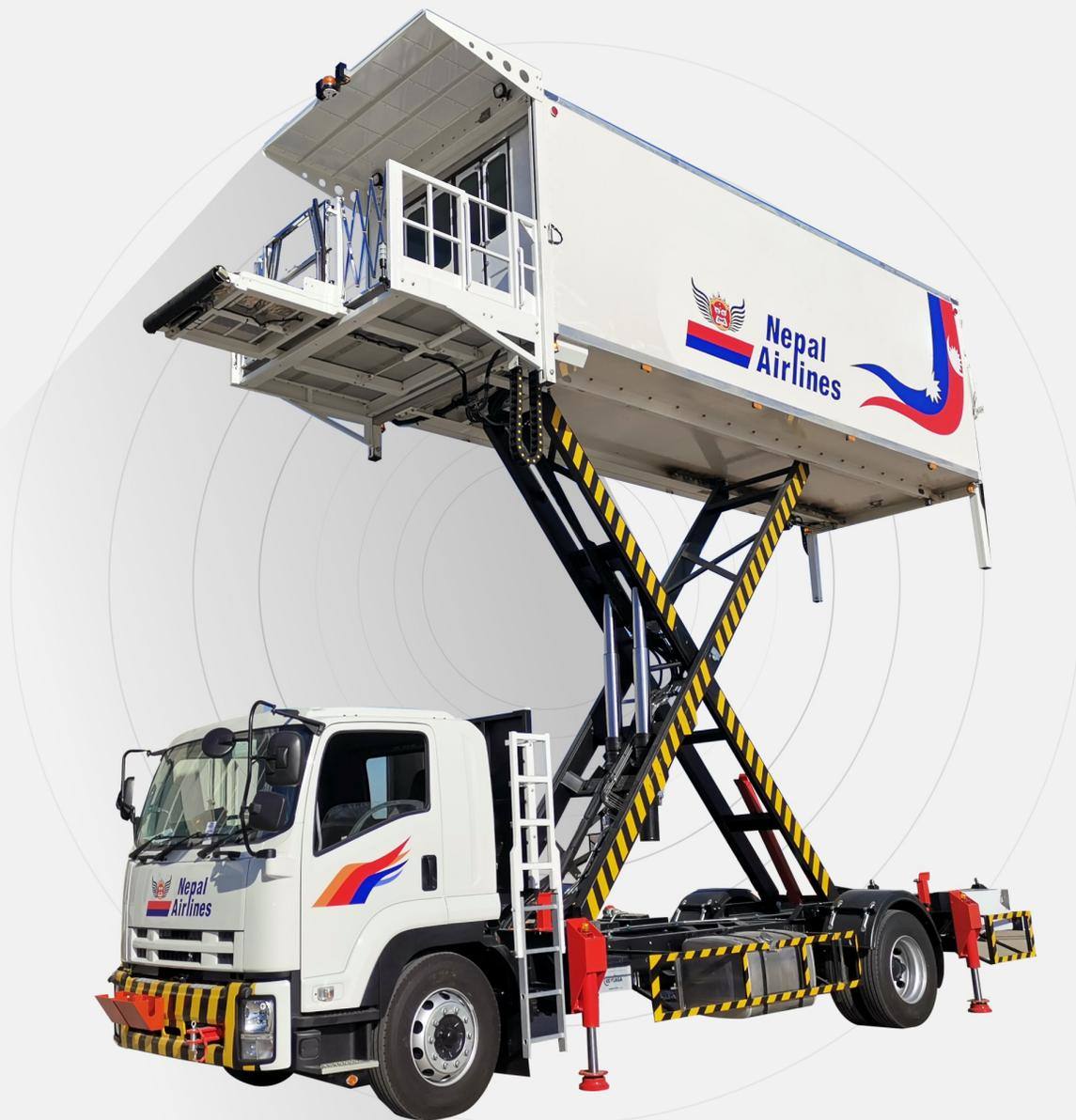

XC-6000e Type Aviation Catering Truck (Fuel Type)
Shenzhen CIMC-TianDa Airport Support Ltd.
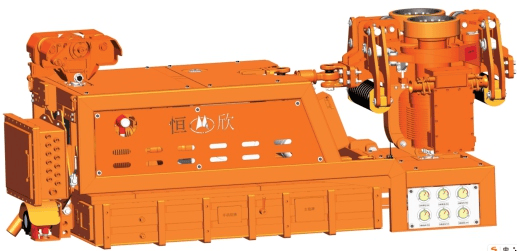
Explosion-proof lithium battery dispatching monorail crane locomotive (permanent magnet frequency conversion integrated machine)
Xiangtan Hengxin Industrial Co., Ltd.
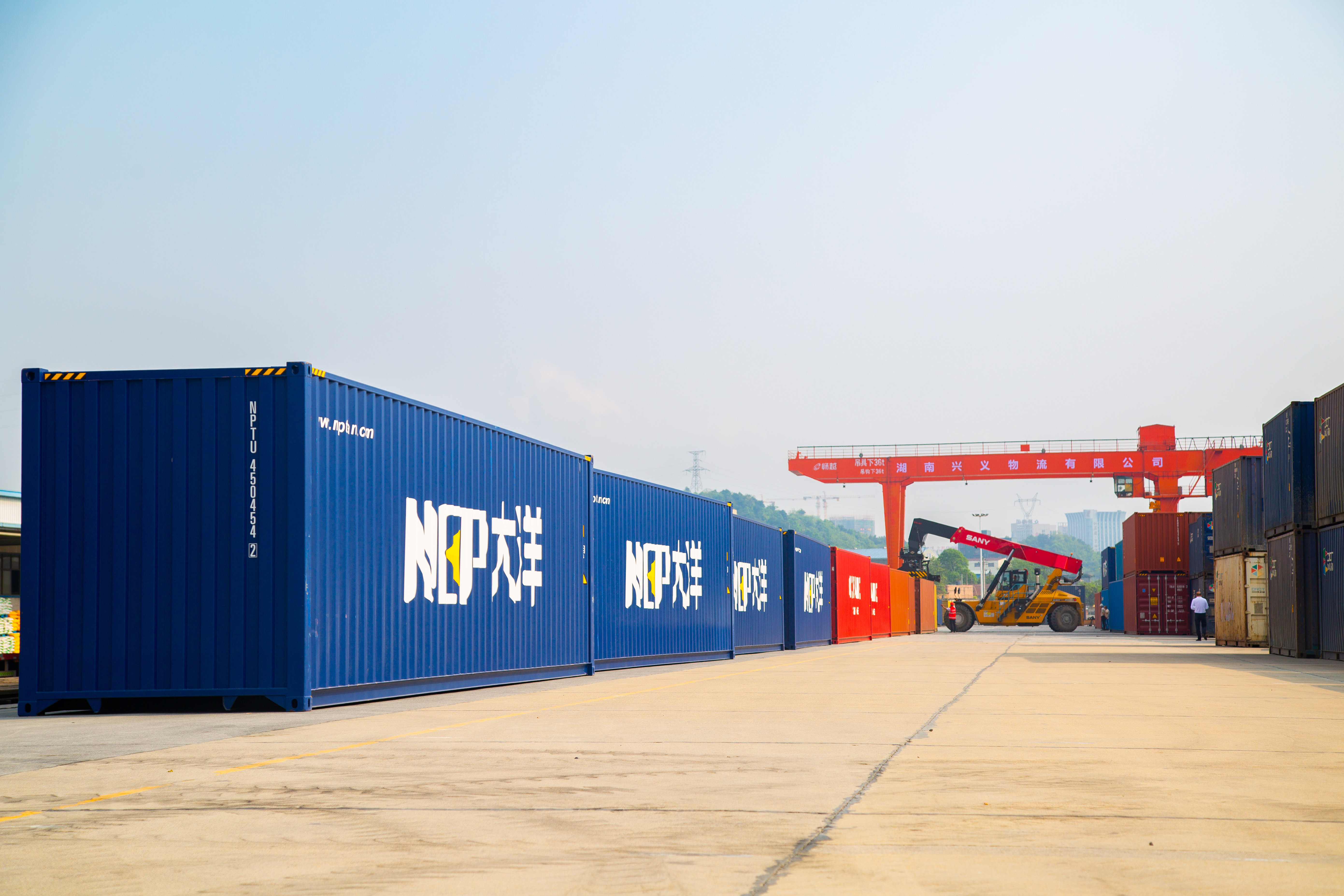
China - Alashankou/Khorgos - Europe Full Range Transportation (Mala/Hamburg/Duisburg/Budapest, etc.)
Shenzhen Neptune Logistics Co., Ltd.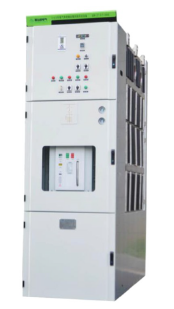
GSR6-27.5kV SF6 Free Gas-insulated Metal-enclosed Switchgear
Zhejiang Juhonkia Intelligent Electric Co., Ltd.
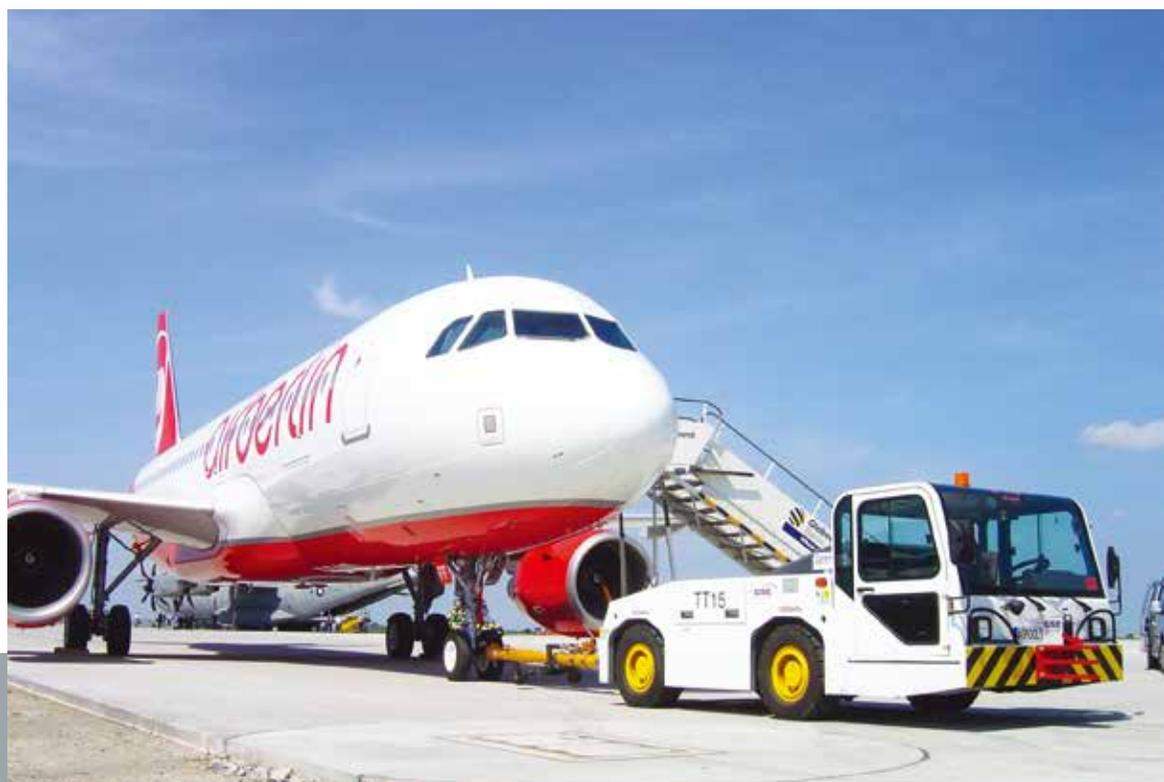
WGQY Series Aircraft Tow Tractor-WGQY15, WGQY27
Weihai Guangtai Airport Equipment Co., Ltd.