South Korea’s 2024 Solar Additions Surpassed 3.1 GW
Wedoany.com Report-Apr. 18, South Korea installed over 3.1 gigawatts (GW) of solar capacity last year, according to provisional data from the Korea Electric Power Corporation (KEPCO). These figures exclude self-consumption installations, which are tracked separately from power generation for sale. In 2023, the country deployed 3.7 GW of solar, including 2.8 GW for sale and nearly 900 megawatts for self-consumption, showing a notable increase in recent deployment.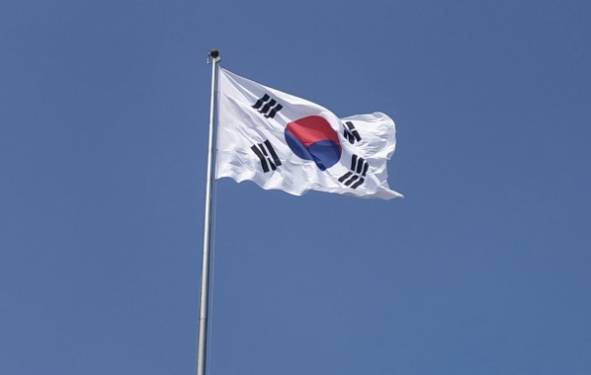
Jiyhe Gwak, principal researcher at the Korea Institute of Energy Research, attributed last year’s growth to improved investment conditions, stating: “Key areas for improvement include regulatory support for corporate power purchase agreements, resolving grid connection issues, expanding long-term fixed-price schemes, providing incentives for RE100-aligned companies and enhancing local acceptance.” The recovery brought annual installations back to the 3 GW level.
As of March, South Korea’s cumulative solar capacity reached approximately 28.15 GW. The Export-Import Bank of Korea projects that the country will maintain annual installations of around 3 GW through 2030. However, Gwak noted this pace falls short of the 11th Basic Plan for Electricity Supply and Demand, finalized in February. The plan targets 55.7 GW of solar by 2030, rising to 77.2 GW by 2038.
Gwak elaborated on the required growth: “To meet the 2030 target set in the 11th Basic Plan, an average of 4.5 GW of new solar capacity must be added annually. When extended to 2038, this translates to an annual average of approximately 3.5 GW.” She emphasized that the short-term goal of 4 GW per year over the next two years demands more robust efforts to achieve these targets.
Despite strong growth potential, South Korea’s solar sector faces challenges such as grid limitations, complex permitting processes, high generation costs, and supply chain vulnerabilities. Gwak highlighted the need for streamlined regulations and enhanced local support to address these issues and sustain momentum.
Last month, the Energy and Just Transition Subcommittee outlined initiatives to boost solar expansion. These include mandating solar installations on 2,995 parking lots, establishing guidelines to increase floating solar systems on multipurpose dams, and launching a funding program for local governments to improve setback regulations for solar projects.
Gwak expressed optimism about these measures, noting: “These efforts, along with various policies being implemented by the government and across multiple sectors, are expected to have a positive impact on the future outlook for solar expansion in South Korea.” These initiatives aim to strengthen the solar market and support the country’s renewable energy goals.
South Korea’s focus on expanding solar capacity reflects its commitment to sustainable energy development. Continued policy support and infrastructure improvements will be critical to meeting long-term targets and enhancing energy security through domestic renewable sources.
Related Products
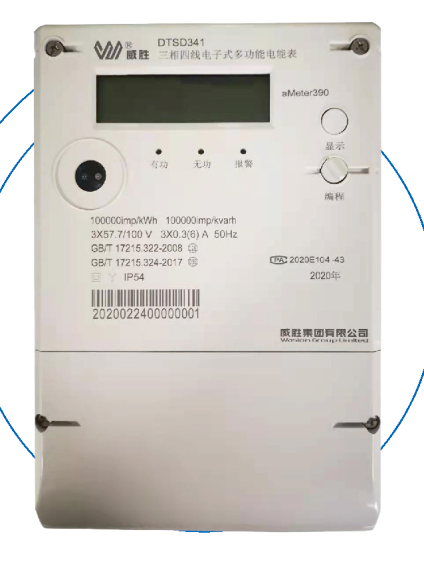

Overseas IEC Gateway Energy Meter - DTSD341/DSSD331-aMeter390
Wasion Group Limited Co., Ltd.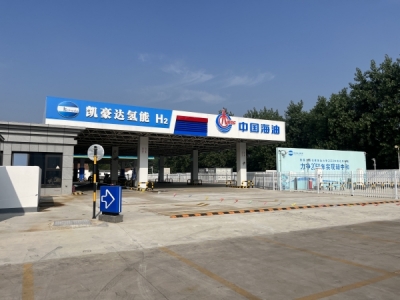
Hydrogen production and hydrogenation charging refueling gas integrated energy station
Shenzhen Kohodo Hydrogen Energy Co., Ltd.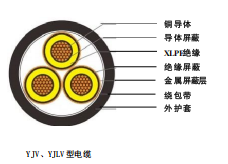
Rated Voltage 6-35kV Cross-linked Polyethylene Insulated Power Cable
TONGDING INTERCONNECTION INFORMATION CO., LTD.
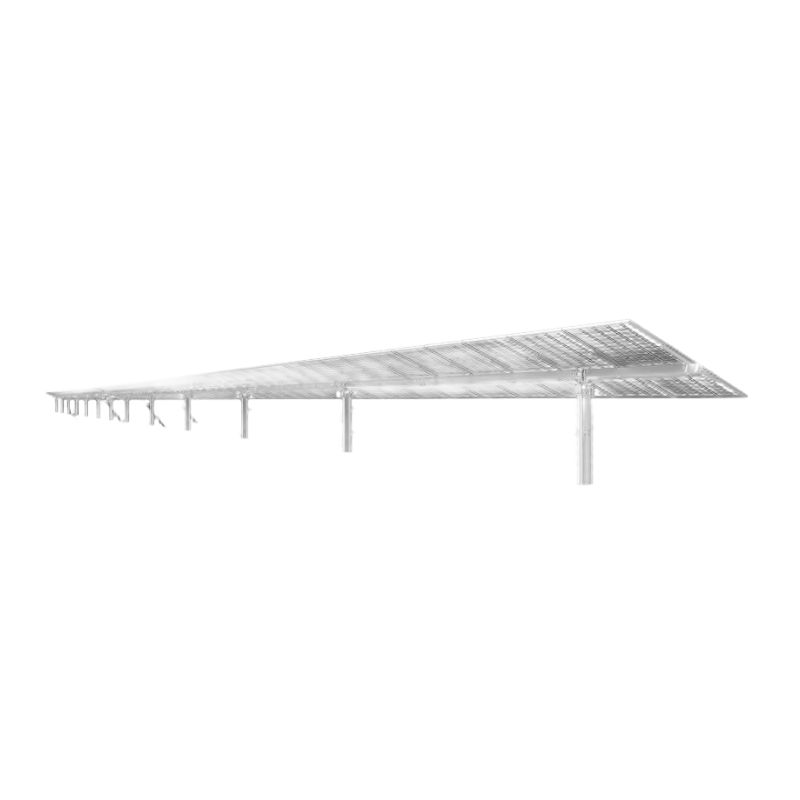
TAI Slew-drive Single-axis Independent 1P Tracking Bracket System
ANTAI TECHNOLOGY CO., LTD.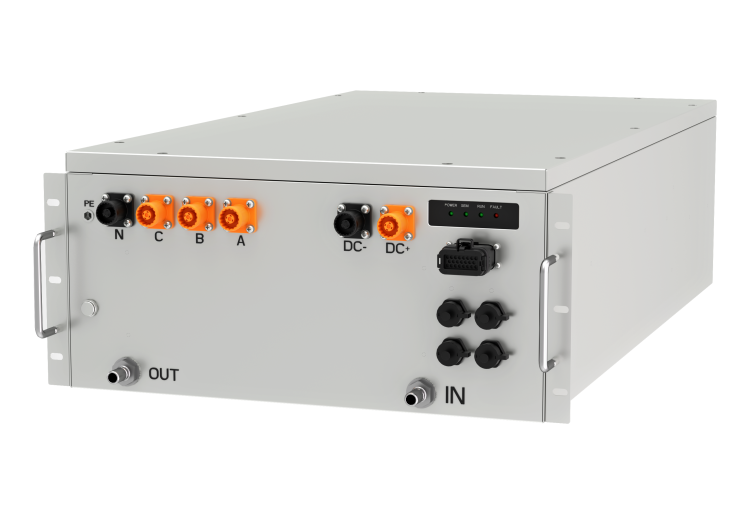
Mars (Liquid Cooling) Series Industrial and Commercial Energy Storage Converter High Protection Module
Shenzhen Winline Technology Co., Ltd.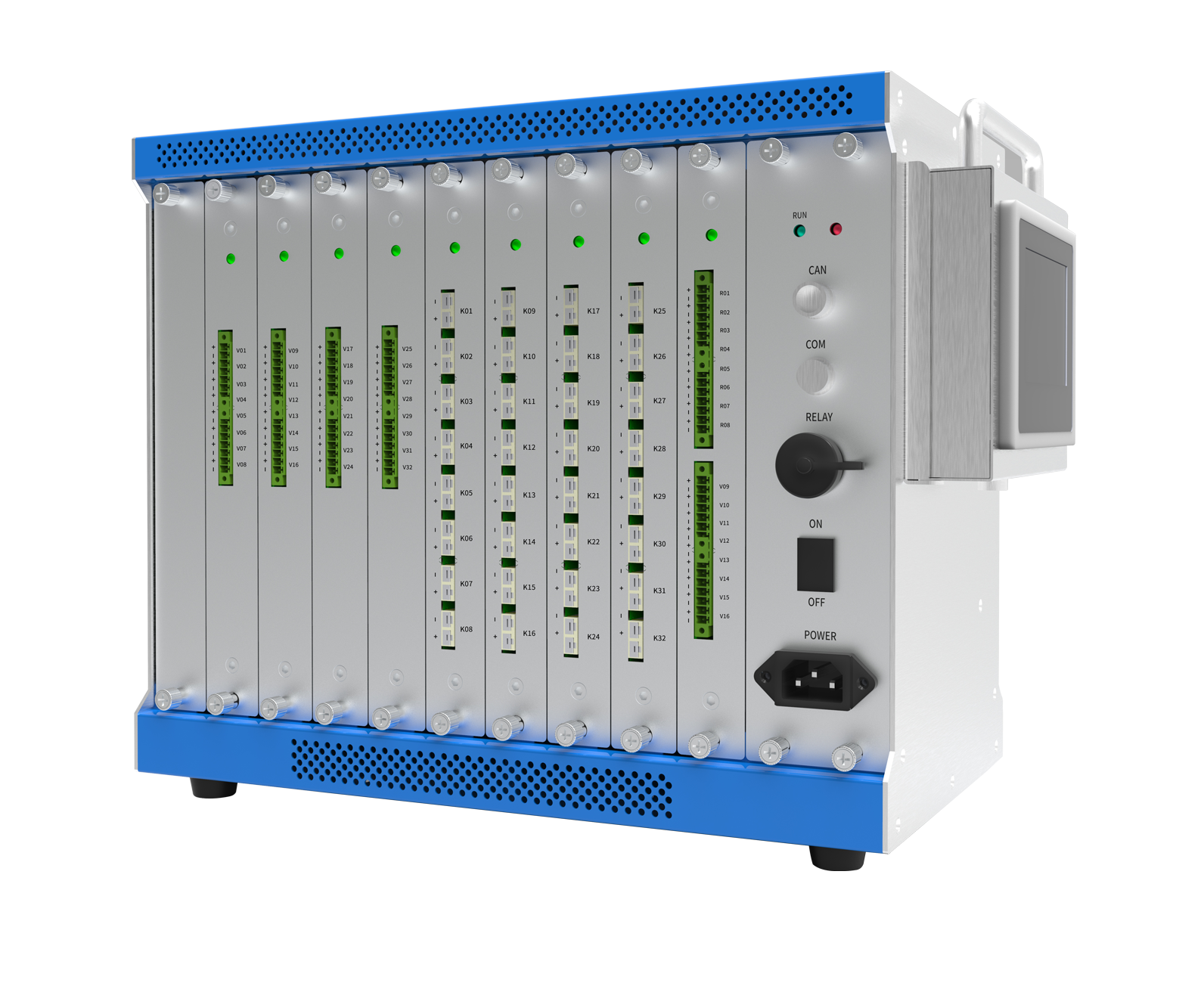
Optional Accessory - Auxiliary Sampling Module
Beijing Soaring Electric Technology Co., Ltd.
KYN28-12/24 Indoor High-Voltage Metal-Clad Removable Switchgear
Shenzhen Zhaoyang Hui Technology Co., Ltd.
Ultrasonic Wind Speed and Direction Instrument
Kingmach Measurement & Monitoring Technology Co., Ltd.