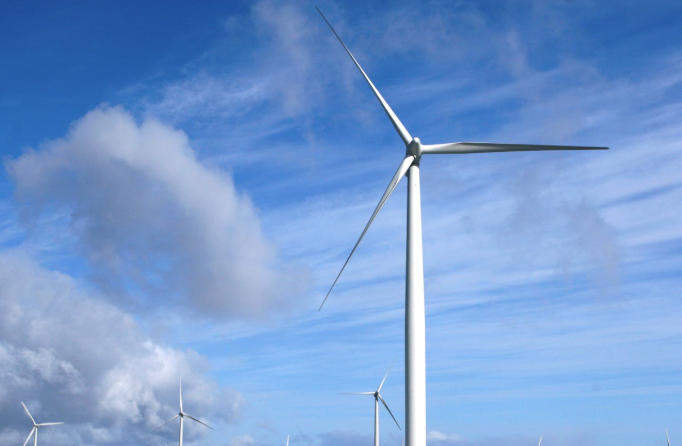
en.Wedoany.com Reported - Two wind-storage hybrid projects, Baldon and Coppabella, led by Goldwind in New South Wales, Australia, were both included in the Australian government's National Renewable Energy Priority List in July this year. Among them, the Baldon wind-storage integrated project has officially obtained the Generator Performance Standard (GPS) certification from the Australian Energy Market Operator (AEMO) and transmission operator Transgrid. In industry consensus, Australia, particularly New South Wales, is considered one of the most challenging grids globally to connect to. It is rare for two wind-storage projects to be successively accepted by the country's government.
The Australian grid is widely recognized as one of the most stringent and complex markets for grid connection processes. It typically takes one to two years from initiation to obtaining grid connection approval. While the continuously updated National Electricity Rules (NER) provide a unified framework, the grid is operated separately by six state and territory network operators, each with localized access requirements. Grid connection applications must be jointly reviewed by AEMO and local grid operators, resulting in extremely high complexity and increasingly stringent technical compliance demands. The GPS standards for Australian projects cannot follow a uniform template; they must be "tailor-made" by developers, grid operators, and AEMO based on specific projects. Project developers must deeply engage during the grid connection application phase, passing DMAT and SSIAG tests, conducting specialized assessments for model accuracy and weak grid adaptability, with total simulation scenarios potentially reaching thousands. This high degree of customization under such strict standards leads to substantial upfront technical investment, becoming a formidable barrier for new energy projects connecting to the Australian grid.
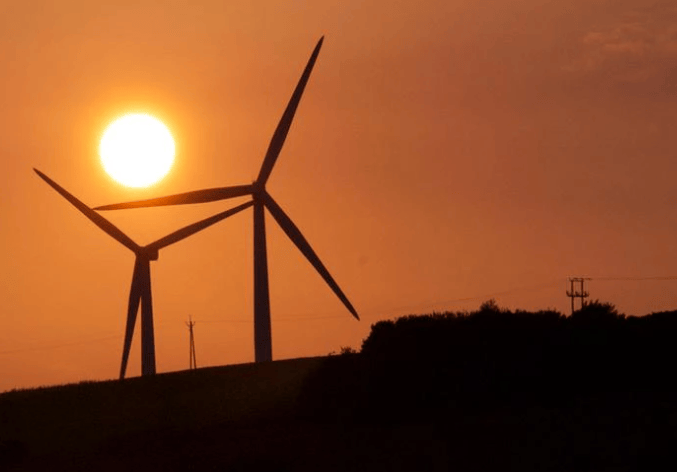
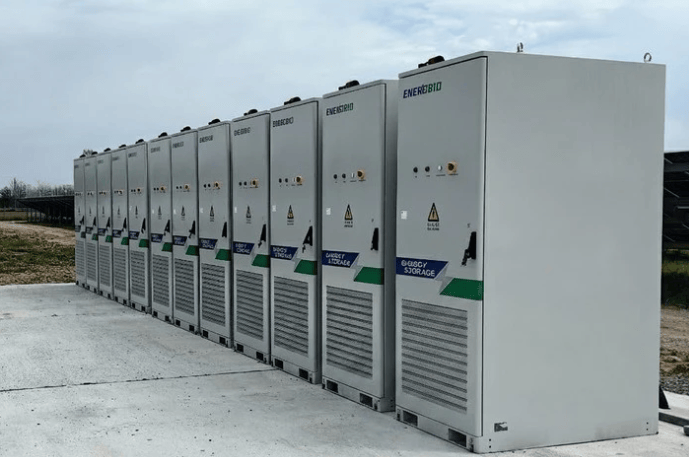
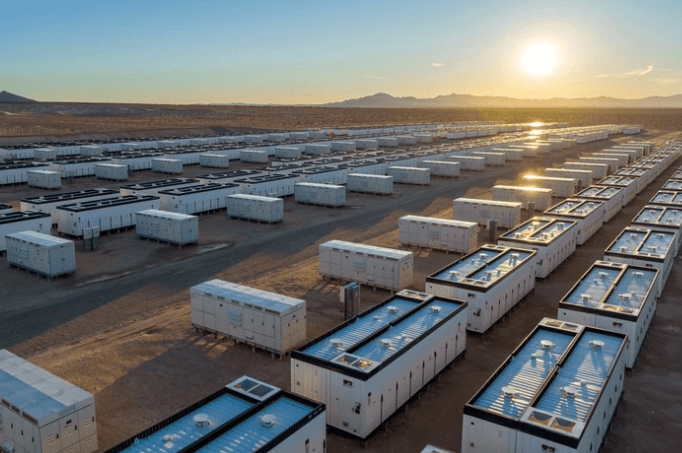
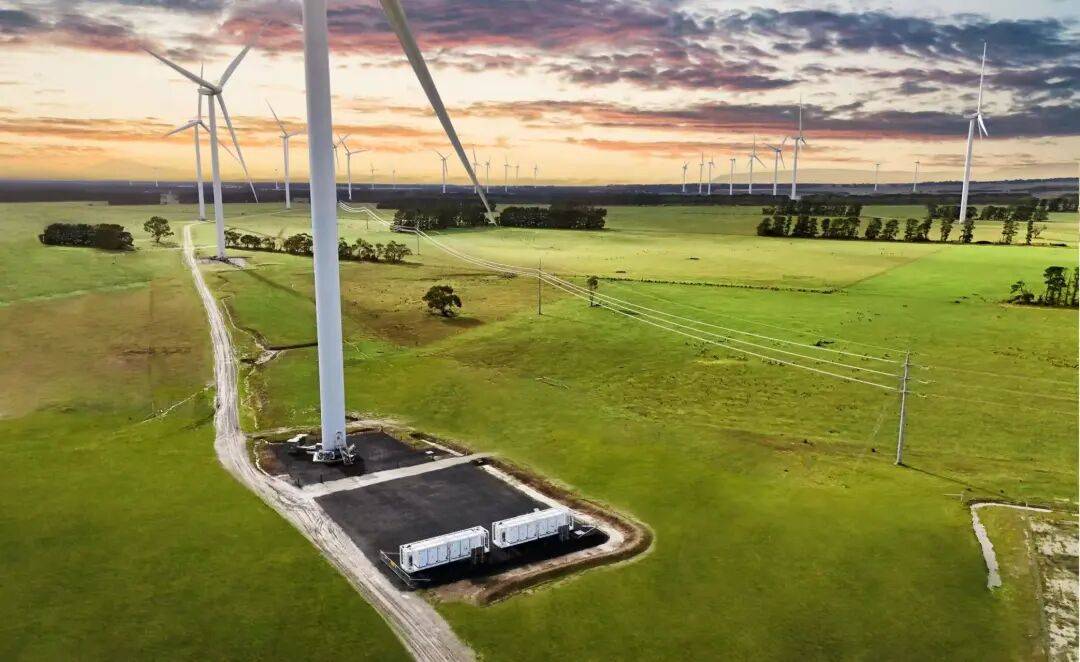
The Baldon project overcame such high entry barriers through innovative technical pathways. The first phase of the project plans 346 MW of wind power, paired with 132 MWh of DC-coupled storage, making it one of Australia's first projects to combine grid-forming wind power with large-scale DC-coupled storage. The wind and storage systems share a single control system, differing from the more common AC-side simple parallel connection schemes in the industry. Wind-storage DC coupling reduces grid connection points through integrated design, significantly lowering the complexity and difficulty of the grid connection assessment process, making it a more "grid-friendly power source" easily accepted by the grid. The green light from the Australian grid for this project highlights the significant technical advantages of the DC coupling route in terms of grid-friendly integration. The scarcity of this pathway is also evident in the local CIS (Capacity Investment Scheme) seventh tranche tender: among the 19 selected projects, only two were DC grid-connected projects, while the remaining 17 adopted more conventional AC grid connection schemes. An executive from Transgrid's Lumea commented that the DC coupling solution meets the industry's growing demand for grid stability and resilience support.
GPS certification addresses the technical issue of "whether it can connect to the grid," while the National Priority Project List represents recognition from another dimension. This list, jointly developed by the federal and state governments, identifies energy projects of strategic national importance. Inclusion can lead to more focused regulatory coordination and accelerated approval processes. The simultaneous inclusion of Baldon and Coppabella indicates that Goldwind's wind-storage DC coupling technical route has gained comprehensive recognition from Australia's social and economic sectors at the national level, building on technical department approval. New South Wales is just a microcosm, reflecting a common challenge faced by global new energy: where does the grid's "stiffness" come from after penetration rates cross a critical threshold? The development value of the new energy industry lies not in how much capacity is installed, but in how much is actually connected to the grid and ultimately applied in real-world scenarios. No matter how large the battery capacity, how high the charge/discharge efficiency, or how low the system cost, if the grid does not accept it, everything is just a fancy decoration. The innovative DC coupling pathway essentially addresses the fundamental need of the new power system—grid-friendly integration. For investors, the fundamental capability for market competition lies in staying at the table, and the first-mover advantage often comes from targeted innovations like DC coupling.