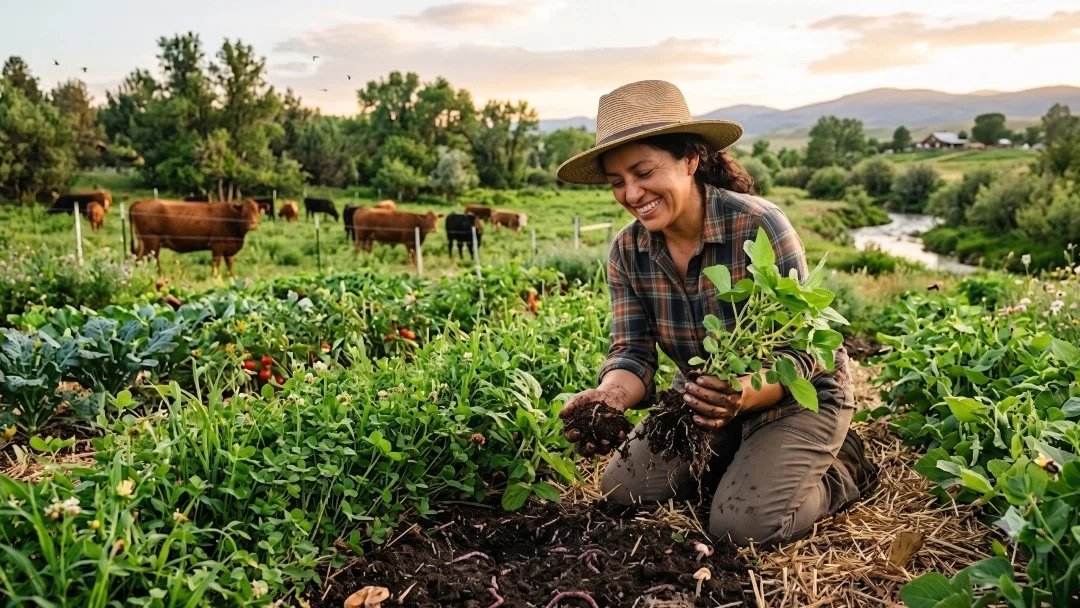
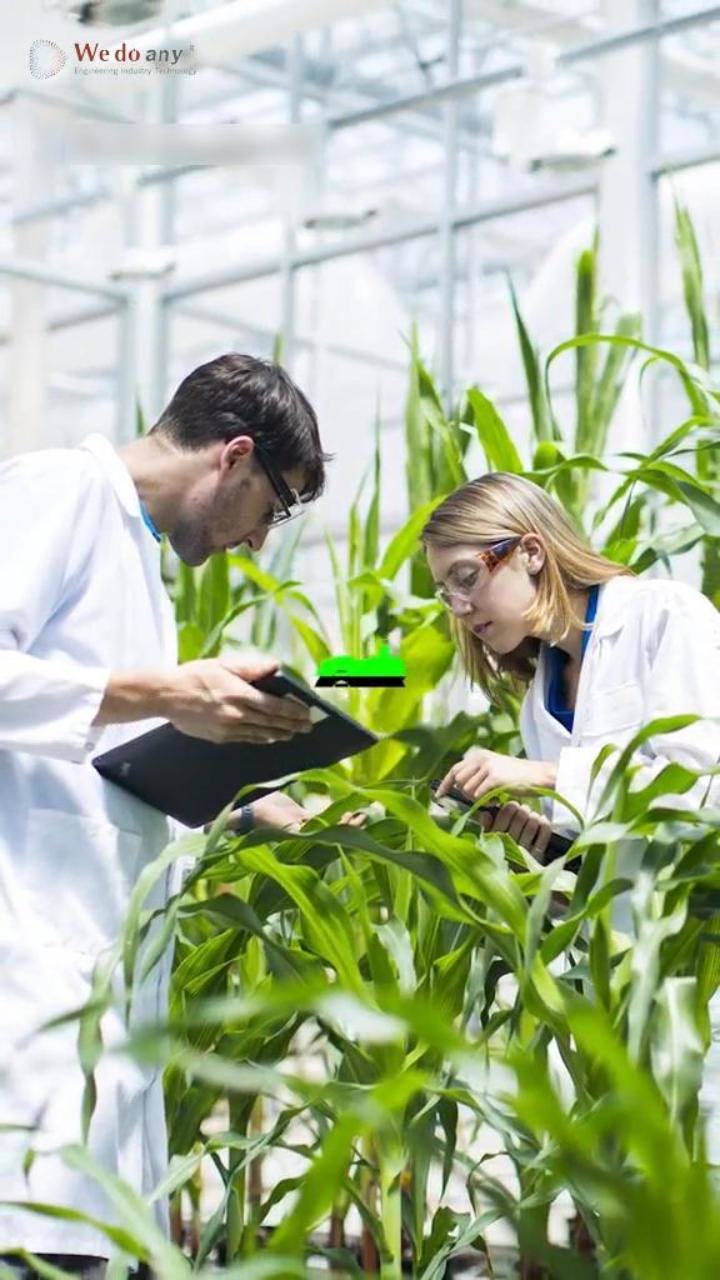
Colorado State University Finds Soil Organic Carbon Does Not Help Boost Crop Yields Under Extreme Drought
en.Wedoany.com Reported - A study by Colorado State University (CSU) has found that under extreme drought conditions, soil organic carbon does not enhance crop yields. This finding challenges the conventional view that "soil organic carbon benefits yields most during drought."
The research was conducted by scientists from CSU's College of Agricultural Sciences and the Warner College of Natural Resources. Alison King, the lead author of the paper, who served as a research scientist at CSU and later continued the work at the University of Maine, stated: "It's often said that 'soil organic carbon is good for crops, especially under drought conditions.' But these are a series of associations that haven't been carefully examined. In this study, we saw that soil organic carbon does benefit crops under drought conditions, but 'especially' applies to ideal growing conditions; it is in these circumstances that increasing soil organic carbon provides the greatest benefit to crop yields." The paper was published in May in Global Change Biology.
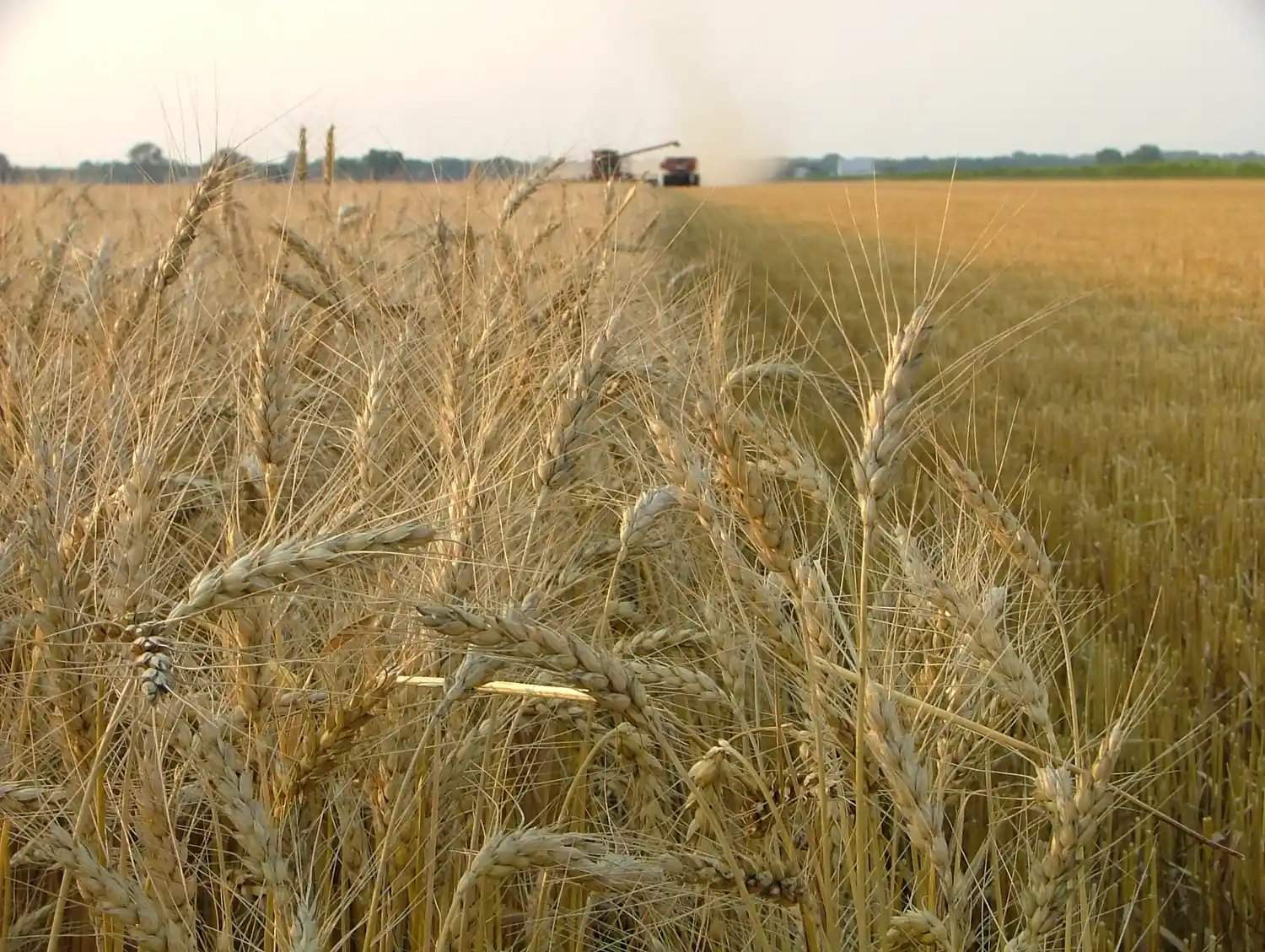
The research team examined three widely grown rain-fed crops—corn, soybeans, and spring wheat—under a variety of weather and soil conditions. They built models using decades of county-level crop yield records from the U.S. Department of Agriculture (USDA), along with daily soil moisture and atmospheric water demand data. These models were used to determine how sensitive crops are to different weather conditions and how soil organic carbon influences this relationship. The results showed that soil organic carbon generally increases yields and makes them more stable year-to-year. However, the water storage capacity added by soil organic carbon cannot be utilized by plants when water is extremely scarce.
"There must be some moisture in the soil for plants to benefit from improved soil organic carbon," said co-author Nathan Mueller, an associate professor in the Department of Ecosystem Science and Sustainability and the Department of Soil and Crop Sciences. "This is important for how we communicate the value of soil organic carbon to farmers. These benefits are real, and you don't need extreme drought to see them. And because moderate years are more common than extreme ones, these yield gains accumulate over time." The study, titled "Soil Organic Carbon Improves Crop Yield and Yield Resilience," is the first to quantify the potential gains in crop yield resilience from soil organic carbon at a national scale.
Related Products



Industrial and Commercial Point-Type Gas Detector
Jinan Benan Technology Development Co., Ltd.

714CD Series C-Band Weather Radar
Chengdu Zhongdian Jinjiang Information Industry Co., Ltd.
4HS-8 High-efficiency Peanut Inverted-laying Harvester
Hebei Yongfa Hongtian Agricultural Machinery Manufacturing Co., Ltd.