South Korea's Pusan National University Unveils Solar Desalination Membrane Removing 99.99% of Oil in 2026
en.Wedoany.com Reported - A research team led by Professor Sanghyun Jeong from the Department of Civil and Environmental Engineering at Pusan National University in South Korea has developed a multifunctional hydrogel membrane for solar desalination that simultaneously achieves oil separation and freshwater production. Experiments show that the membrane removes over 99.99% of oil from contaminated seawater, with a solar evaporation rate of 1.29 kilograms of water per square meter per hour—approximately three times that of traditional single-layer membranes. The findings were published online on June 1, 2026, and will appear in Volume 636 of the journal Desalination (scheduled for publication on October 15, 2026).
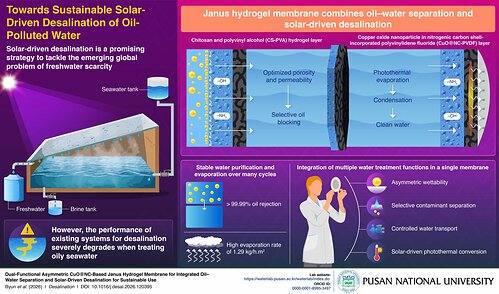
As the world's population grows and industry expands, many countries in Africa, the Middle East, and Southeast Asia are facing a freshwater scarcity crisis. By purifying seawater through solar evaporation, solar desalination can provide an efficient source of freshwater in water-scarce regions. However, real seawater contains more than just salt: coastal waters near ports and industrial zones are frequently contaminated by oil, which can clog the specialized membranes used in desalination systems. While many previous experimental desalination platforms have demonstrated promising results, most were tested under laboratory conditions using clean brine, leaving their performance with real seawater unclear.
To address this issue, the research team integrated oil separation and desalination into a single membrane platform rather than treating them as two separate processes. The membrane features a Janus structure with different properties on each side: the hydrophilic side, made from chitosan and polyvinyl alcohol hydrogel, allows water to pass through while repelling oil droplets; the hydrophobic side embeds copper oxide nanoparticles wrapped in carbon shells into a nanofiber layer, which absorbs sunlight, converts it into thermal energy, and drives water evaporation at the membrane surface. Each layer focuses on a single task, ensuring that oil repulsion and heat generation do not interfere with each other—a problem commonly observed in single-layer designs.
The membrane maintains stable performance across different oil droplet sizes and under repeated use conditions. Professor Jeong stated that by integrating pollutant separation and freshwater production into a single membrane platform powered by renewable solar energy, this technology has the potential to reduce energy consumption, operational complexity, and secondary waste generation, contributing to more sustainable water treatment and freshwater production.
Professor Jeong believes that beyond the specific application of desalination, the broader significance of this work lies in demonstrating how multiple treatment functions can be rationally integrated within a single membrane structure. Such multifunctional systems can help extend solar water treatment to oil-contaminated coastal waters and industrial wastewater, while also supporting efforts to recover valuable resources from concentrated brine.
Further research in this field holds promise for making freshwater more accessible worldwide.
Related Products

Forest and Grassland Heat Source Infrared Monitor
China Huayun Meteorological Technology Group Co., Ltd.
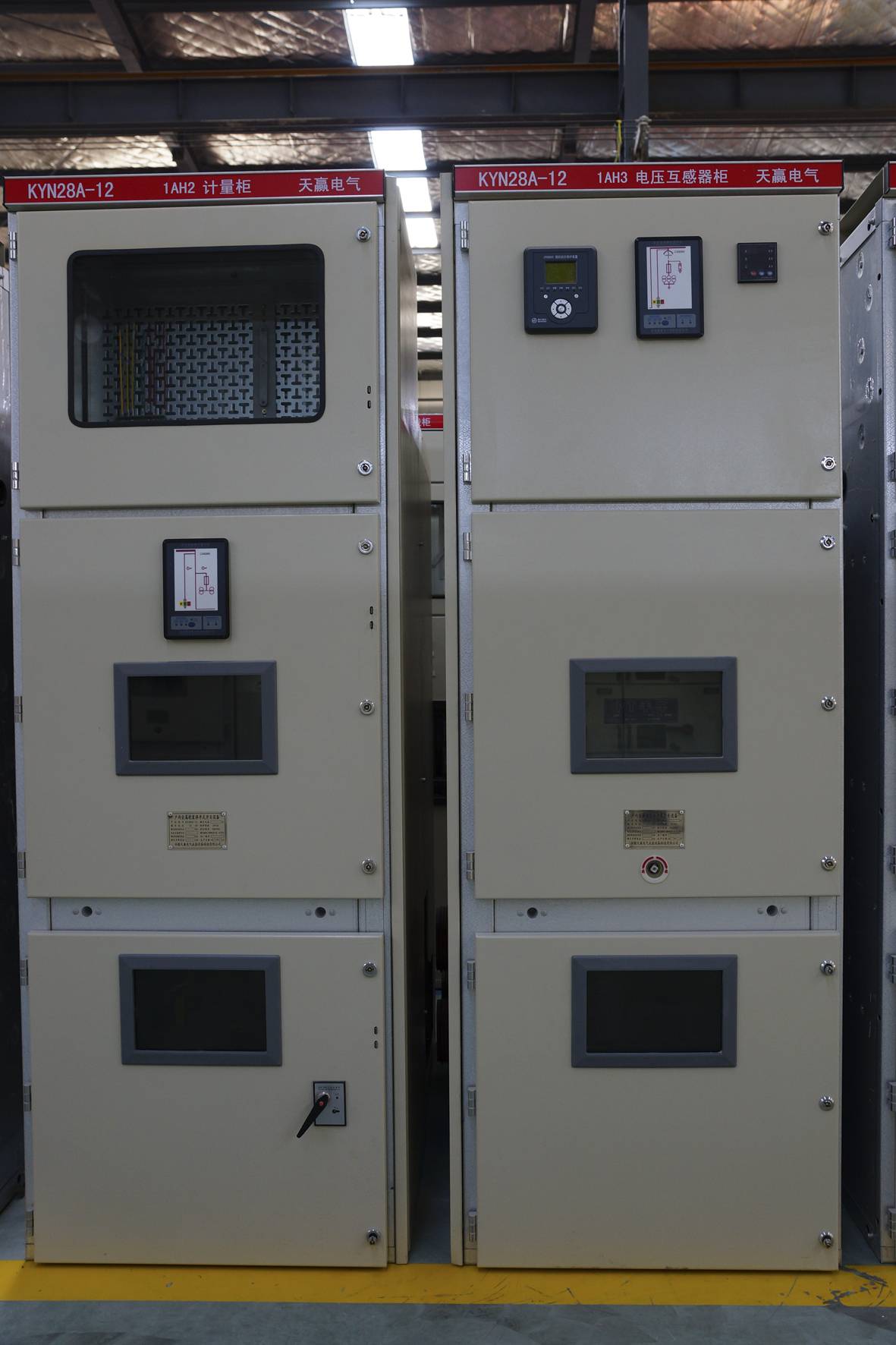
KYN28 - High Voltage Switchgear
Anhui Tianying Electrical Equipment Manufacturing Co., Ltd.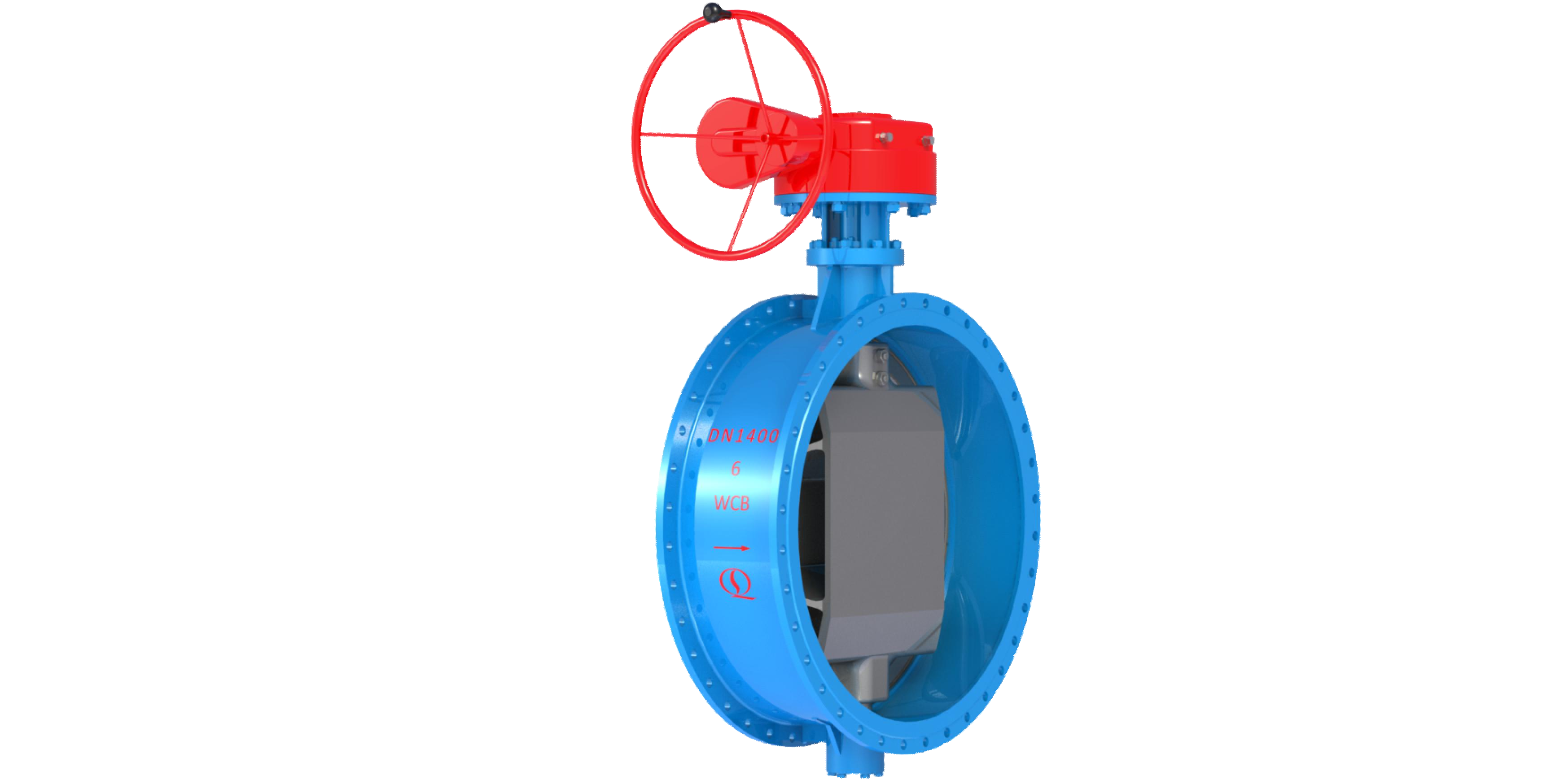
Bidirectional Metal Hard Sealed Seawater Butterfly Valve
Henan Quanshun Flow Control Science & Technology Co., Ltd.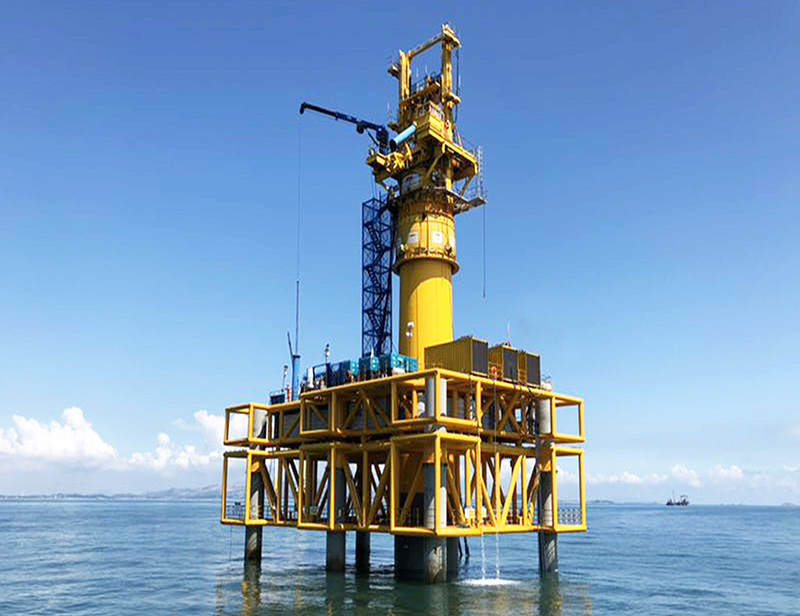
CITIC Heavy Industries Offshore Wind Power Equipment Hydraulic Pile Hammer
CITIC Heavy Industries Co., Ltd.
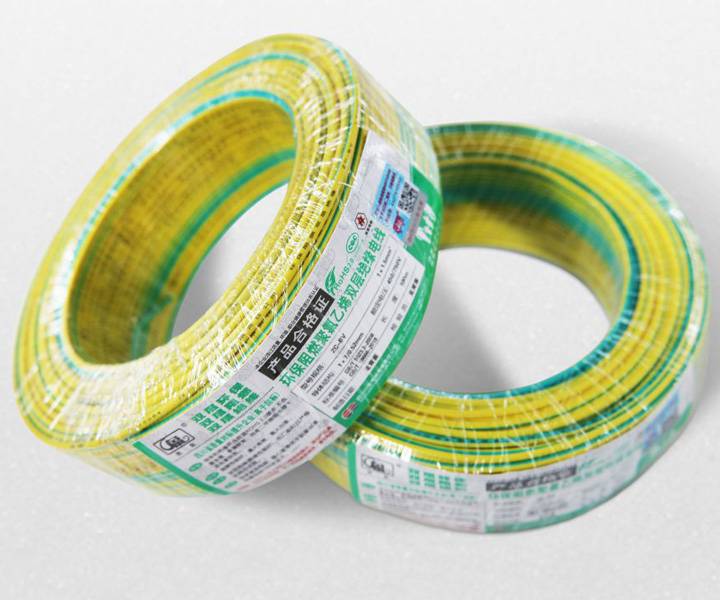
Environmentally Friendly Flame-retardant PVC Double-layer Insulated Wire
Sichuan Chndo Cable Co., Ltd.