Brazil's Universidade de Uberaba Launches 550,000-Square-Meter Agricultural City Complex in August
en.Wedoany.com Reported - Brazil's Universidade de Uberaba (Uniube) inaugurated its "Agricultural City" teaching complex in August this year. The facility covers 550,000 square meters and integrates teaching, research, extension, innovation, laboratories, teaching farms, and enterprises, which the institution describes as Brazil's largest agricultural teaching complex. The project marks a new phase for the university's "Universidade do Agro" division, a vertical educational institution dedicated to agriculture established in 2023.
The inauguration activities began on August 10, when Uniube's new veterinary hospital was the first to open, followed by the official unveiling of the Agricultural City the next day. Also in August, the Agricultural University's campus in Goiânia (GO) began operations. The new complex is positioned as a hands-on learning environment where students will directly engage with real scenarios in the agricultural and livestock production chain, rather than being exposed only to theoretical coursework.
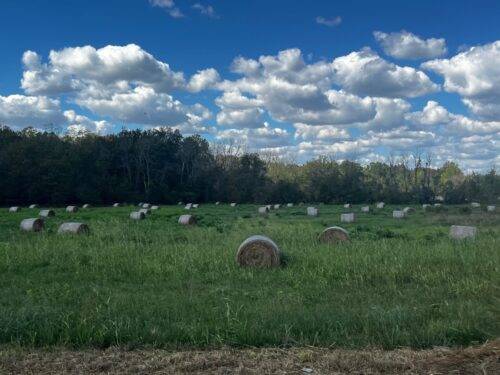
According to reports, the space includes agricultural experimentation areas, livestock zones, training centers, open-air laboratories, innovation hubs, applied research environments, and spaces for integration with industry enterprises, with the goal of narrowing the gap between university research and the actual demands of the agricultural and livestock market.
The launch of the Agricultural City reflects a trend of high institutional specialization in Brazilian higher education. In recent years, the country has seen institutions focused on medicine, technology, business, and innovation, and this trend now extends to agriculture. Brazilian agriculture has transformed from a purely primary sector into a technology-intensive field, with talent demands spanning artificial intelligence, digital agriculture, animal genetics, biological inputs, sustainability, data management, carbon issues, international markets, certification, and technological innovation—making traditional classroom and conventional laboratory models insufficient to meet training requirements.
The project's location in Uberaba is no coincidence, being directly linked to the city's industrial base.
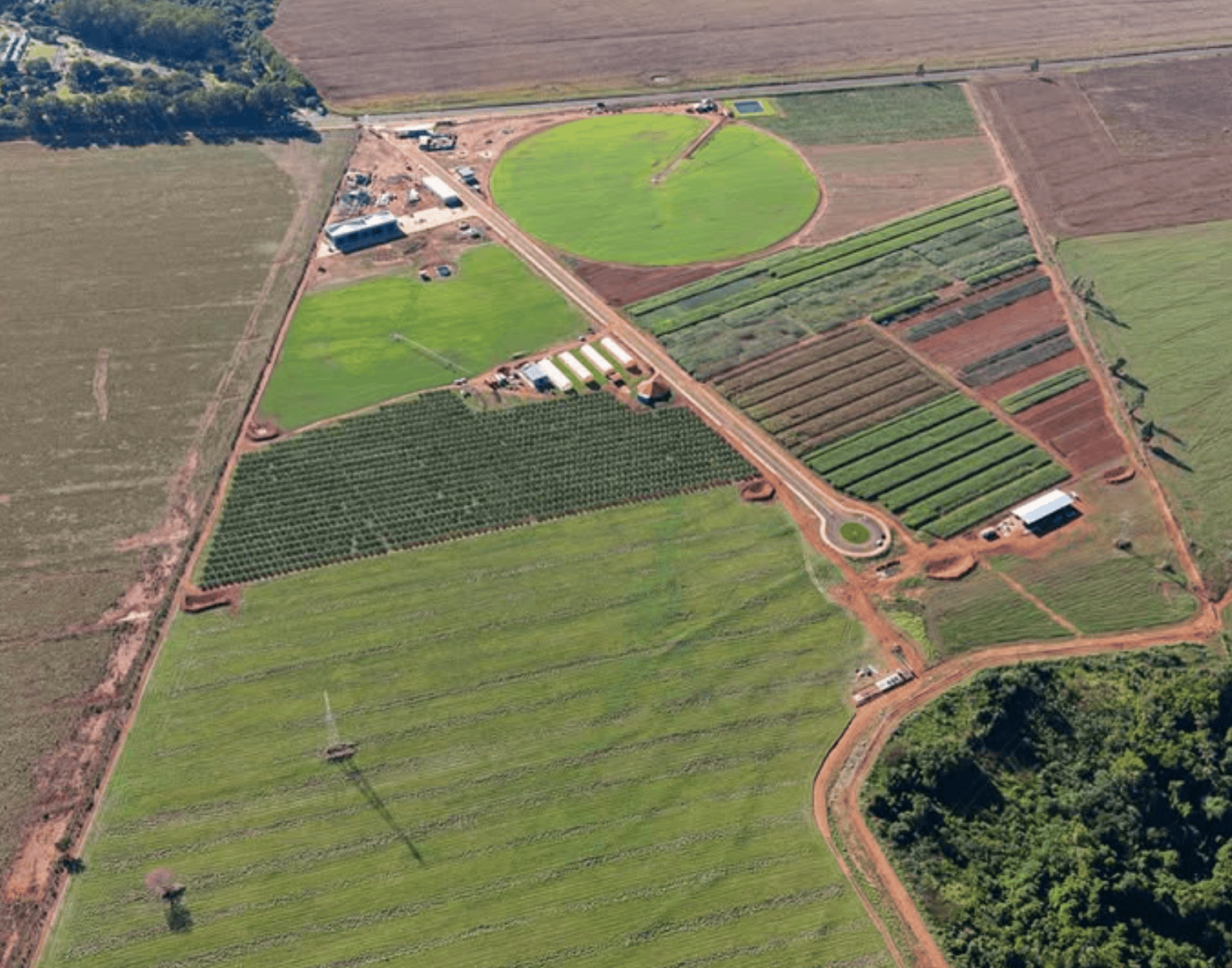
The city is renowned for its Zebu cattle breeding tradition, bovine genetics research, agricultural scientific research, and as a host of major industry events, bringing together various institutions, enterprises, associations, and research centers, making it one of the most influential environments in Brazil's agricultural sector. The establishment of the new complex is expected to further enhance this status by directly connecting students with the production environment, fostering university-industry collaboration projects, technology development, and the generation of solutions tailored to agricultural needs.
Uniube's new veterinary hospital, inaugurated at the same time, is another key facility. It aims to enhance diagnostic and treatment capabilities for small, large, and wild animals, while strengthening practical training for veterinary medicine students. The hospital is equipped with modern infrastructure, surgical centers, specialized laboratories, diagnostic imaging equipment, and areas used for teaching from the early stages of undergraduate studies, with the goal of positioning itself as a regional reference institution in veterinary services and applied research.
Agriculture is a vital component of Brazil's economy, with its production chain covering food, energy, fiber, and biofuels, while facing multiple challenges such as balancing increased productivity with reduced environmental impact, adapting to climate change, cutting carbon emissions, farm family succession, skilled labor shortages, farm digitalization, and international market demands for traceability and sustainability. Platforms like this, which combine universities, research, and enterprises, aim to accelerate the transfer of knowledge to the production sector. Brazilian higher education has long been criticized for the disconnect between academic research and practical application. Projects like the Agricultural City attempt to address this by bringing together researchers, professors, students, startups, enterprises, and producers to foster an environment conducive to developing solutions that can be directly applied in the field. This model also supports open innovation, testing of new technologies, product validation, and research conducted in partnership with the private sector, aligning with trends at major global agricultural science centers. Brazil's agricultural competitive advantage is shifting from land, climate, and production capacity toward management quality, innovation, and talent development, making investment in specialized education an integral part of agricultural development strategy.
Related Products


Industrial and Commercial Point-Type Gas Detector
Jinan Benan Technology Development Co., Ltd.
714CD Series C-Band Weather Radar
Chengdu Zhongdian Jinjiang Information Industry Co., Ltd.
4HS-8 High-efficiency Peanut Inverted-laying Harvester
Hebei Yongfa Hongtian Agricultural Machinery Manufacturing Co., Ltd.