Latin America's Mobile Economy to Reach $700 Billion by 2030, with $75.8 Billion in Network Investment
en.Wedoany.com Reported - According to the latest analysis by GSMA Intelligence (the research arm of the GSMA), the mobile economy in Latin America will generate $600 billion in economic value in 2025, equivalent to 8.6% of the region's GDP. The mobile ecosystem supports nearly 3 million jobs, including 1.6 million direct jobs and 1.2 million indirect jobs, and contributes $50 billion in public fiscal revenue. By 2030, the industry's economic contribution is expected to grow to $700 billion, with a compound annual growth rate of 3.2%, driven by the broader adoption of 5G, AI, and the Internet of Things.
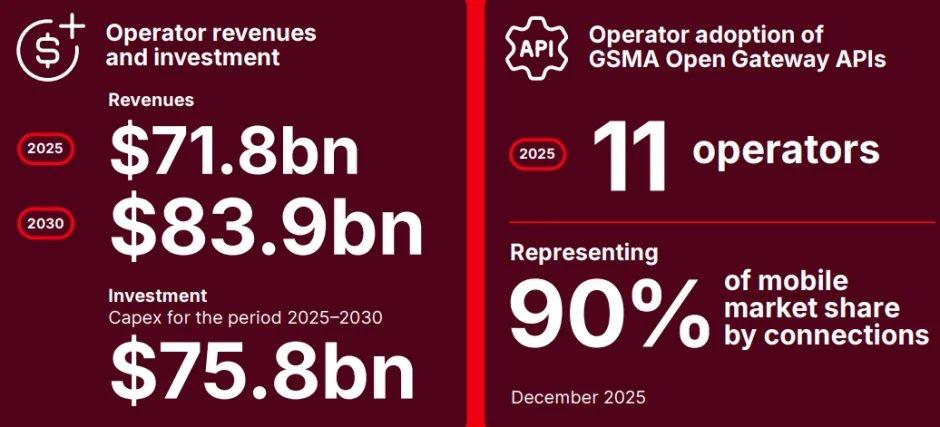
By 2030, 5G will account for half of all mobile connections in Latin America. Industry revenue is expected to rise from $71.8 billion in 2025 to $83.9 billion in 2030. To support this transformation, mobile operators are expected to invest $75.8 billion in capital expenditure between 2025 and 2030 to strengthen network capacity, spectrum utilization, and cloud-native infrastructure.
Artificial intelligence has become a core operational technology for telecom operators in Latin America. Currently, 78% of AI deployments are used for customer service, the highest share among all global regions; operators are leveraging AI agents, chatbots, and generative AI to improve customer experience, reduce handling times, and lower operational costs. 85% of AI deployments in the region have been put into actual production, higher than the global average of 66%; however, network operations deployments account for only 8% and new revenue generation deployments for 9%, both below the 20% to 30% ratios seen in Europe and Asia-Pacific, reflecting that the current focus remains on operational efficiency and cost optimization.
Major local telecom operators are simultaneously advancing investments in 5G, AI, and network infrastructure. América Móvil is expanding automation across its OSS/BSS platforms, with its Chilean subsidiary Claro deploying generative AI customer service, post-call analytics, automatic SIM locking for lost or stolen devices, and Net Promoter Score (NPS) prediction models, reducing customer handling times while running 24/7 AI customer service. Brazil's Vivo (Telefônica Vivo Brazil) is advancing closed-loop automation and intent-based networking in its virtualized 5G core, and from 2026 will test agentic AI rApps with Ericsson and Amazon Web Services (AWS), enabling engineers to manage networks using natural language. Brazil's TIM (TIM Brasil) is expanding its partnership with Nokia following the initial deployment in São Paulo, upgrading its nationwide 5G network with Nokia's AI-RAN-capable AirScale portfolio, aiming to improve coverage, strengthen indoor connectivity, enhance scalability, and reduce energy consumption. Millicom (Tigo) is expanding fiber broadband and 5G-ready infrastructure in Colombia, Paraguay, Guatemala, Honduras, Bolivia, and Panama, advancing fixed-mobile convergence, and expanding digital financial services and enterprise connectivity. Telecom Argentina's Personal is strengthening 5G readiness, expanding fiber broadband coverage, investing in cloud enterprise services, and integrating AI digital platforms. Chile's Entel (Entel Chile) and Peru's Entel (Entel Peru) continue to invest in nationwide 5G expansion, enterprise digital transformation, cloud connectivity, and IoT platforms. Liberty Latin America is expanding fiber-to-the-home, mobile broadband, and enterprise cloud services through brands such as Liberty Puerto Rico, Flow, and BTC. Brazil's Oi (Oi Brazil), after restructuring, is expanding wholesale fiber infrastructure through V.tal and providing fiber backhaul to mobile operators to support 5G deployment.
Telecom network expansion is being complemented by investments from hyperscale cloud providers. AWS has announced a $4 billion investment in Chile to build cloud infrastructure and data centers; Microsoft plans to invest approximately $1.3 billion in Mexico over the next three years for cloud and AI infrastructure; Google is investing over $850 million to build a second data center in Uruguay.
As operators continue to invest $75.8 billion in network infrastructure, with 5G accounting for half of mobile connections by 2030, and alongside the proliferation of AI, IoT, fiber broadband, and cloud computing, the mobile ecosystem is expected to generate $700 billion in economic value by 2030, becoming one of the key drivers of productivity, digital inclusion, and long-term economic development in the region.
Related Products




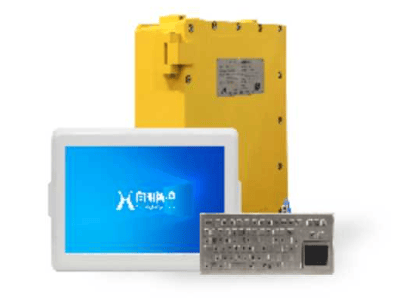
KJD127(A) Mining Explosion-Proof and Intrinsically Safe Computer
Taiyuan Xiangming Intelligent Control Technology Co., Ltd.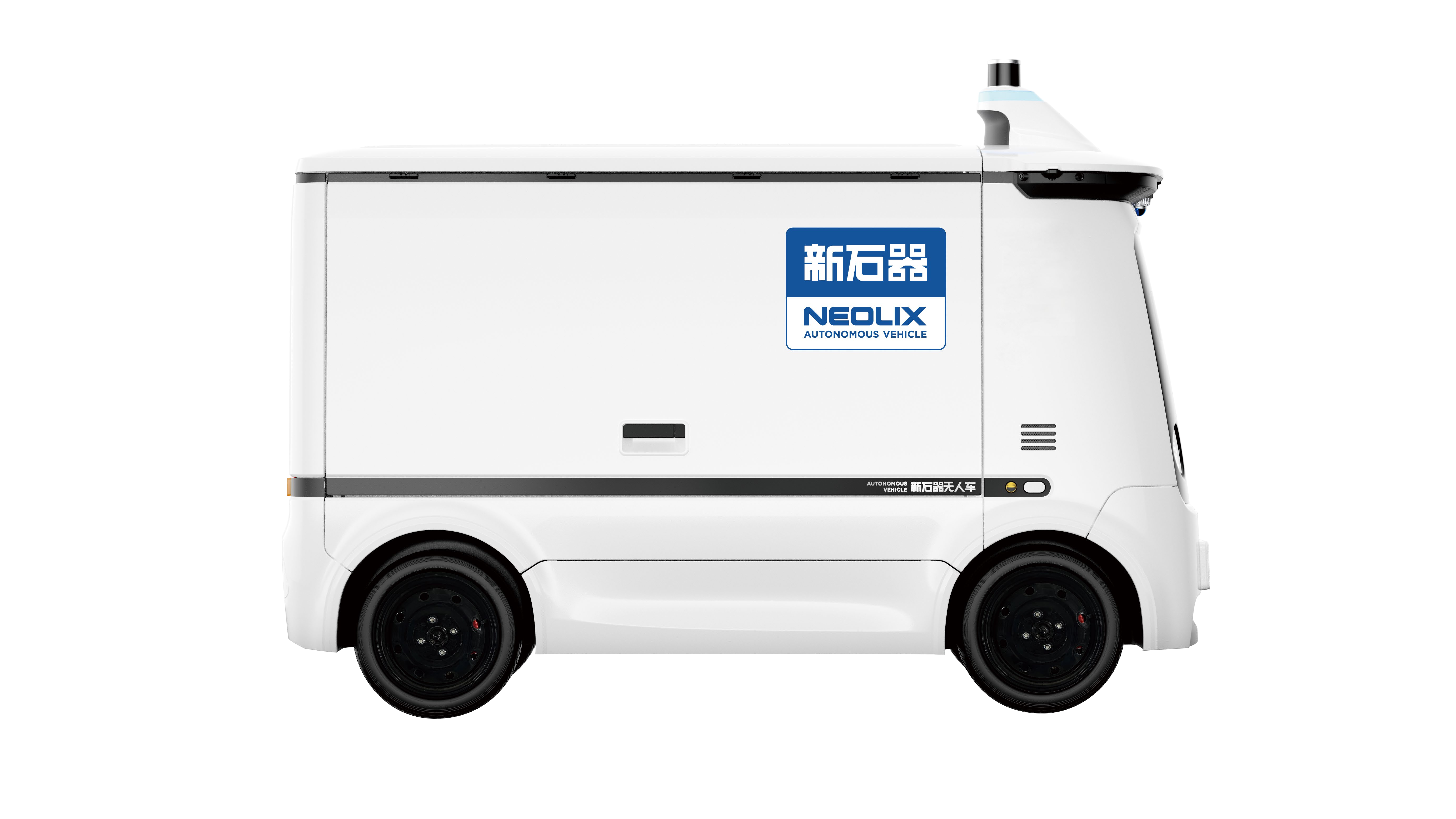
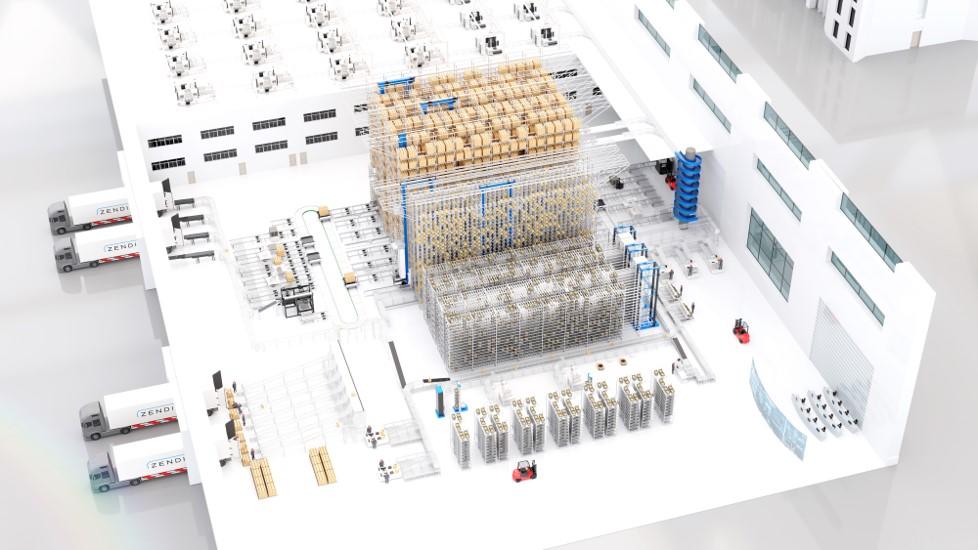
One-Stop Steward Service for the Entire Logistics System Integration Chain
Zhongding Intelligent (Wuxi) Technology Co., Ltd.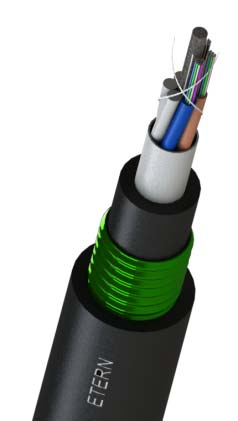



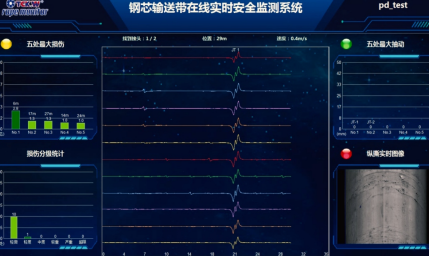
Conveyor Belt Intelligent Monitoring System
LUO YANG WIRE ROPE INSPECTION TECHNOLOGY CO., LTD.