SoftBank and Others Sign MoU to Deploy AI Data Centers in Malaysia and Other Countries
en.Wedoany.com Reported - Three major enterprises in the Asian market have signed a Memorandum of Understanding (MoU) to collaborate on deploying Artificial Intelligence Data Centers (AIDC) in the Southeast Asian region.
The three parties involved in this collaboration are technology infrastructure company SB Telecom Singapore (a subsidiary of Japan's SoftBank), infrastructure enterprise SC Zeus Data Centres, which is building data centers across Asia, and IT management service provider Robust HPC Group. The cooperation centers on two core directions: the supply, construction, and operation of GPU infrastructure, as well as the construction and development of dedicated AIDCs in the region.
The parties stated that this initiative aims to integrate the differentiated capabilities of the three organizations to address the rapidly growing demand for high-density AI computing workloads in Southeast Asia. Under the agreement, SC Zeus will serve as the preferred partner, responsible for acquiring land, designing, building, and operating the core data center infrastructure; Robust HPC Group will lead the procurement, deployment, and management of high-performance GPU clusters; and SB Telecom Singapore will undertake data hall fit-out, ICT infrastructure integration, localized deployment support, and critical connectivity solutions.
The three parties plan to jointly develop "AI Factory" solutions and explore multiple business models, including GPU-as-a-Service platforms and AI token factories. An AI token factory is a production system that converts raw GPU computing power and electricity into monetizable intelligence units (tokens).
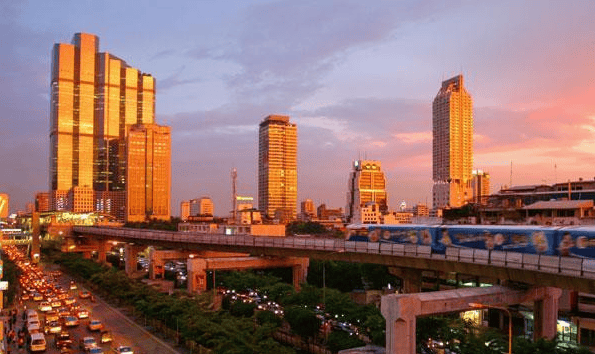
Initial deployments will focus on Malaysia, Thailand, Indonesia, and Vietnam, with subsequent plans to expand to the broader Southeast Asian region and adjacent markets. Hisao Inoue, Managing Director of SB Telecom Singapore, stated that by combining their respective ICT connectivity capabilities, infrastructure capabilities, and supercomputing expertise, the three parties can support the large-scale, scalable real-time computing environments required for future artificial intelligence.
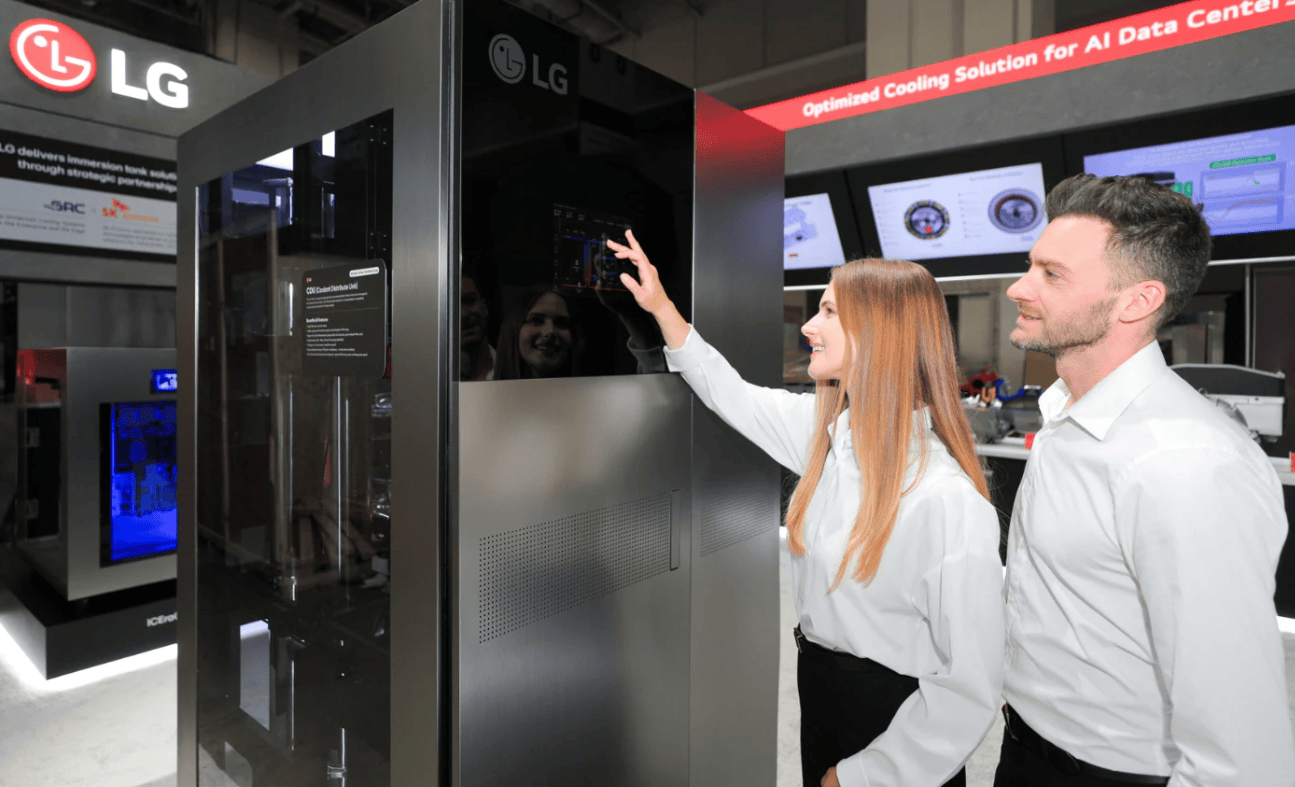
As envisioned, these facilities will be equipped with liquid cooling infrastructure, 800 VDC architecture, and low-latency networking features, making them ready for the next generation of AI workloads.
Related Products





MUX Series Communication Interface Device for Security and Stability Control System
Nanjing NR Electric Co., Ltd.

Multi-function Marine Monitoring Low-altitude Detection Radar Sea-air Boundary Ocean Dynamic Environment Measurement
Chengdu Dixin Technology Co., Ltd.
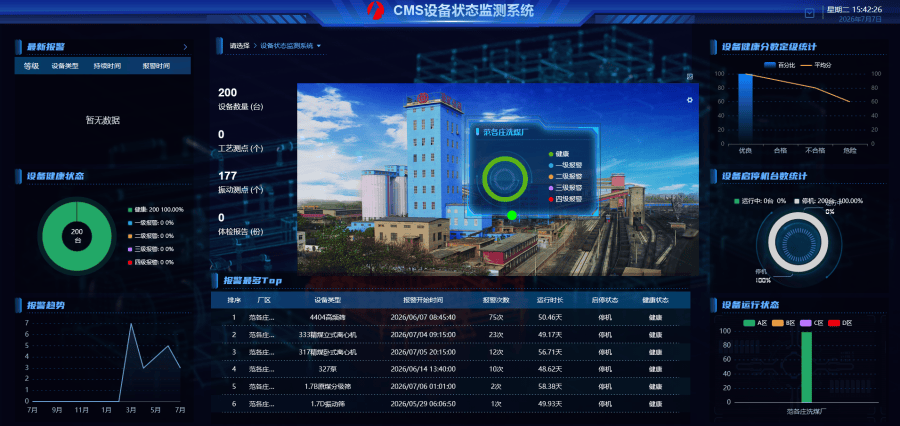

Comprehensive Mining Automation Control System
Beijing Tianma Intelligent Control Technology Co., Ltd.
Conveyor Belt Intelligent Monitoring System
LUO YANG WIRE ROPE INSPECTION TECHNOLOGY CO., LTD.
Automatic Aiming Laser Remote Obstacle Removal Robot
Pinggao Group Weihai High-Voltage Apparatus Co., Ltd.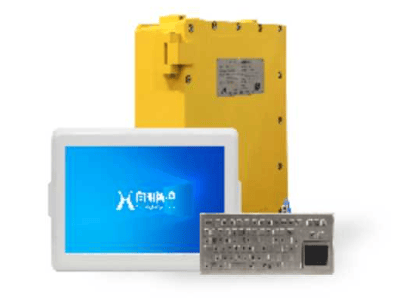
KJD127(A) Mining Explosion-Proof and Intrinsically Safe Computer
Taiyuan Xiangming Intelligent Control Technology Co., Ltd.