China's 100MW Solar Thermal Tower Project in Alpine Region of Jilin Expected to Begin Operations in September
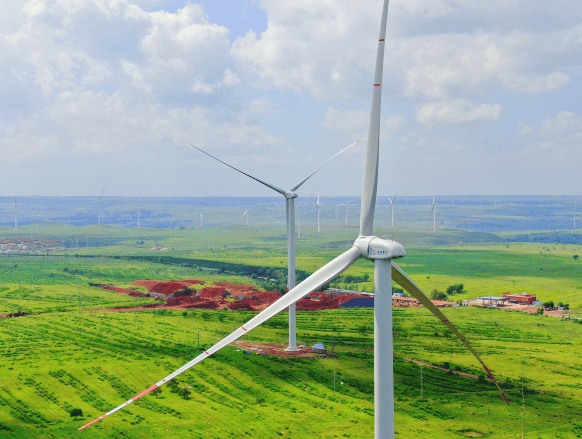
en.Wedoany.com Reported - On August 13, the Development and Reform Commission of Jilin Province, China, disclosed that new progress has been made in the construction of the 100MW solar thermal project, Unit 1 of the 1.4GW Jixi Base Lugong DC Transmission Project located in Tongyu County, Baicheng City, Jilin Province, China. The project is expected to officially commence operations in September 2026.
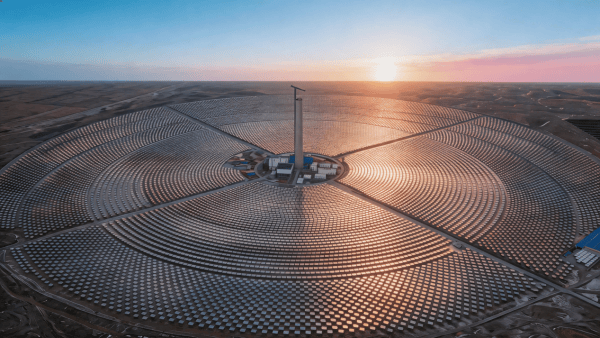
The project is invested and constructed by Tongyu Zhongji Solar Thermal Power Generation Co., Ltd. Located in Baxiang Township, Tongyu County, the project has a total investment of approximately RMB 1.72 billion. It adopts a single-tower, single-heliostat-field molten salt tower technology route and is one of the demonstration solar thermal tower projects constructed in alpine regions above 45 degrees north latitude.
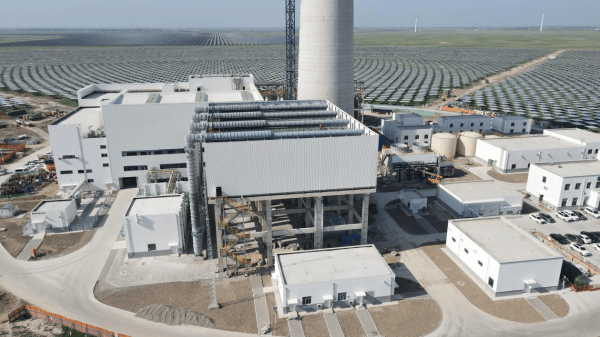
The project involves the construction of one 100MW solar thermal tower power generating unit, equipped with an 8-hour molten salt thermal energy storage system, a steam generation system, a high-temperature ultra-superpressure reheat pure condensing steam turbine generator system, and supporting facilities. The project also includes a 40MW molten salt electric heating device, which can utilize surplus electricity from associated wind and photovoltaic projects to heat molten salt, converting unstable renewable energy power into dispatchable thermal energy.
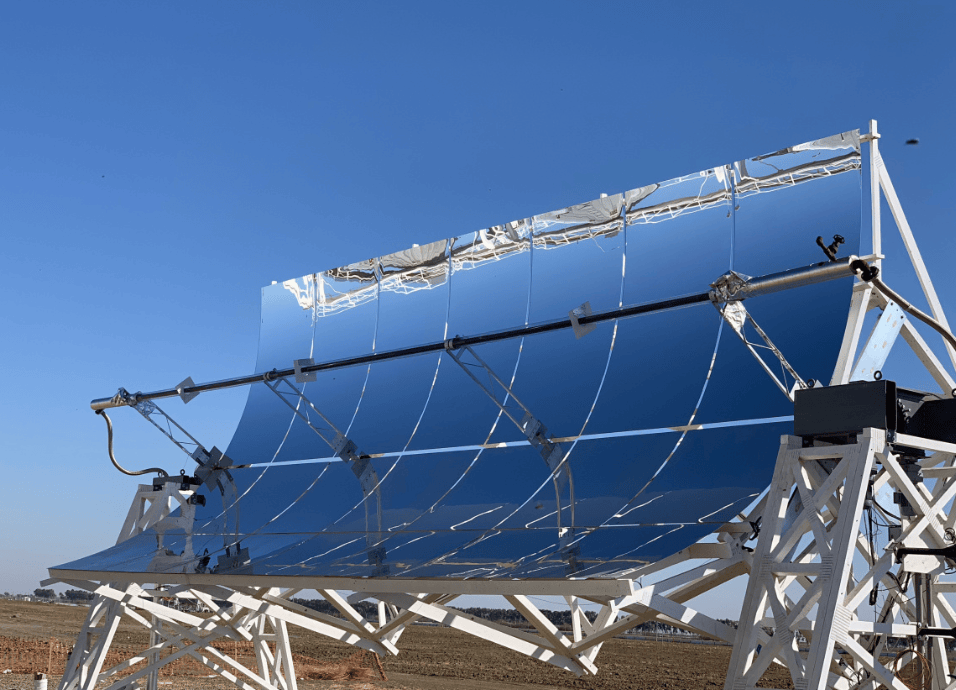
During project operation, intelligent heliostats in the mirror field reflect solar radiation onto the receiver at the top of the heat absorption tower, heating the circulating molten salt within the system. After the high-temperature molten salt enters the thermal energy storage system, it can exchange heat with water according to grid dispatch requirements, generating high-temperature, high-pressure steam that drives the steam turbine generator unit to produce electricity.
Construction commenced on September 12, 2024. By June 2026, the project had completed two key milestones: the steam turbine cylinder closing and the reverse power transmission of the auxiliary power system. The main installation works are in their final stages, and the in-plant power system has been fully connected, creating conditions for equipment joint commissioning, overall unit startup, and grid-connected power generation.
Upon completion, the project is expected to generate approximately 167 million kWh of electricity annually, with an equivalent annual utilization hours of approximately 1,767 hours. It is expected to save approximately 50,000 tonnes of standard coal and reduce carbon dioxide emissions by approximately 140,000 to 150,000 tonnes each year. Electricity generated by the project will be collected via a 220kV line to the photovoltaic power station's step-up substation, and then connected to a nearby 500kV substation through the collection system.
The Jixi Base Lugong DC Transmission 1.4GW Export Project plans to construct 800MW of wind power, 400MW of photovoltaic power, and 200MW of solar thermal power generation facilities. After the Tongyu 100MW solar thermal project begins operations, it will complement the wind and photovoltaic projects within the base, undertaking peak shaving, frequency regulation, and smooth power output tasks through molten salt thermal energy storage.
Compared with standalone solar thermal power stations, this project adds an operating mode that utilizes surplus electricity from wind and photovoltaic power to heat molten salt. When wind and solar power output is high, the electric heating device converts a portion of the electrical energy and stores it in the molten salt; during peak electricity demand or when wind and solar output declines, the stored thermal energy can be used again for power generation, improving the stability and controllability of renewable energy transmission.
In 2026, the project has completed approximately RMB 1.3 billion in new fixed asset investment. During the construction period, it has driven demand for construction, logistics, and supporting services, and is expected to provide nearly 100 operation and maintenance positions after becoming operational. The experience gained in equipment operation, anti-freezing and thermal insulation, heliostat field control, and molten salt thermal energy storage in alpine environments can serve as an engineering reference for solar thermal projects in other high-latitude regions.
Related Products

80kW Megawatt Supercharging Module TH80F10030C9
Shijiazhuang Tonhe Electronics Technologies Co., Ltd.
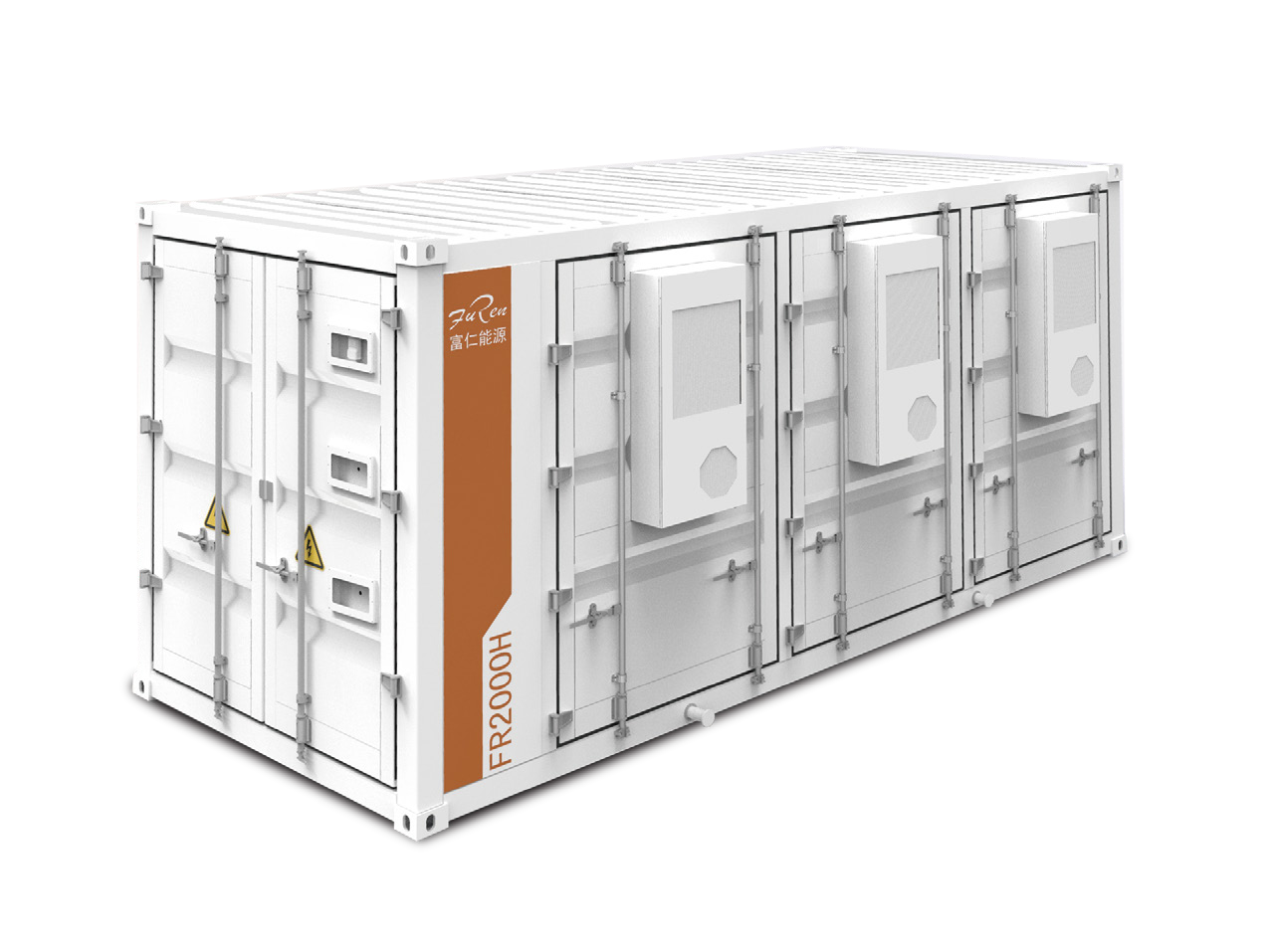
FR2000H 2.15MWh (Air-cooled) 20-foot Containerized Energy Storage System
Jiangyin Furen High-tech Co., Ltd.
Perfluorinated Ionic Membrane-CM-10N Series Membrane
Guizhou Juneng Century Technology Co., Ltd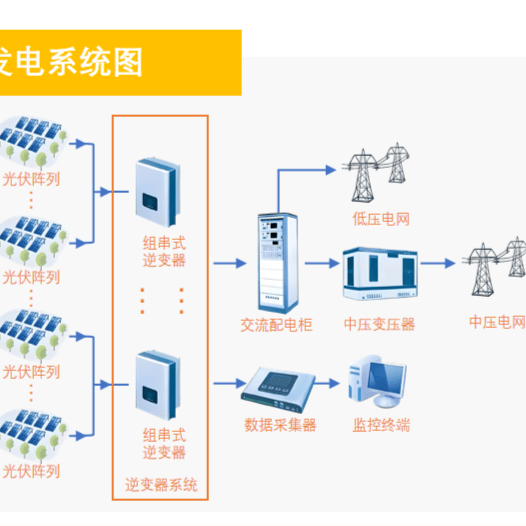
Photovoltaic and Wind Power Generation Technology
Beijing Boqi Electric Power SCI-TECH Co., Ltd.
5012kWh DC Energy Storage System TD-EES-5012kWh
Suzhou Tongding Xindong Energy Storage Technology Co., Ltd.