Bristol Myers Squibb Invests $2.3 Billion to Build Manufacturing Campus in Texas, U.S.
en.Wedoany.com Reported - Bristol Myers Squibb (BMS) plans to invest $2.3 billion to build a manufacturing campus spanning approximately 600,000 square feet in Generation Park, Houston, expected to create nearly 500 technical jobs. The campus will produce small-molecule drugs, biologics, and antibody-drug conjugates, utilizing modular construction, automation, and advanced digital systems to facilitate capacity adjustments in line with pipeline changes. The project is part of BMS's commitment to invest $40 billion in U.S. research, technology, and manufacturing over five years.
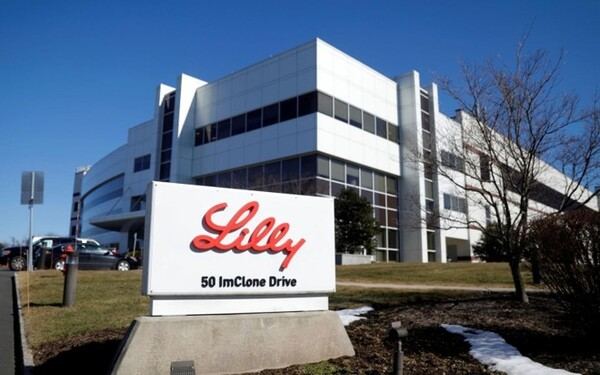
On the same site, Eli Lilly has already selected a location to build an active pharmaceutical ingredient (API) plant with a planned investment of $6.5 billion, focusing on APIs for small-molecule drugs. Together, the two projects represent approximately $8.8 billion in pharmaceutical investment.
Houston has deep experience in chemicals, engineering, and complex industrial operations—advantages that do not directly meet pharmaceutical manufacturing requirements but can provide part of the technical and industrial base needed for large-scale production sites. If contractors, technical service providers, and skilled labor further concentrate in Generation Park, prospects for subsequent investment may improve; however, two large plants alone are not enough to make Houston a mature biopharmaceutical manufacturing hub.
Large pharmaceutical facilities have long development cycles and high capital investment, and are often initiated before the final commercial demand for a drug is clear. If development priorities change, drugs fail to gain approval, or demand does not match forecasts, plants over-specialized around a single product or process may become less useful. BMS plans to produce multiple drug types at the same site—although different product lines have varying requirements and operations are more complex, this offers greater adaptability. The modular design allows capacity to be added or reconfigured in response to pipeline changes, and the campus is also planned to support drugs transitioning from late-stage development to commercial launch. Process monitoring, data collection, and automated production controls can maintain manufacturing consistency and reduce manual intervention, and combined with modular space, facilitate long-term repurposing of facilities so the company does not need to build new infrastructure for every pipeline shift.
The Houston project also reflects a growing focus in U.S. pharmaceutical investment on facility adaptability beyond capacity expansion. Eli Lilly has stated that its U.S. capital expansion commitments since 2020 exceed $50 billion. Increased capacity can strengthen supply chain resilience, but highly specialized plants can become constraints during process switches and turn into high-cost idle assets when demand falls short. BMS's combination of multi-modal manufacturing, modular construction, automation, and digital systems ties manufacturing planning more closely to portfolio strategy. Its long-term value depends on whether the same physical facility can be used across multiple generations of drugs, rather than repeatedly investing in highly specialized capacity.
For Houston, BMS adds another multi-billion-dollar project to its growing pharmaceutical manufacturing base. For BMS, the value of this $2.3 billion investment depends not only on the scale of capacity, but also on whether that capacity can flexibly adapt to the drugs the company needs to produce next.