GSK Invests in Varaha India Regenerative Agriculture Carbon Credits, Scaling to Over 50,000 Hectares in 8 Years
en.Wedoany.com Reported - GSK has invested in carbon credits generated from Varaha's regenerative agriculture project in northern India. The purchase agreement has a term of 8 years and was designed by natural risk infrastructure provider Earthly; under the agreement, GSK will support Varaha in scaling regenerative agriculture practices to more than 50,000 hectares of land in northern India.
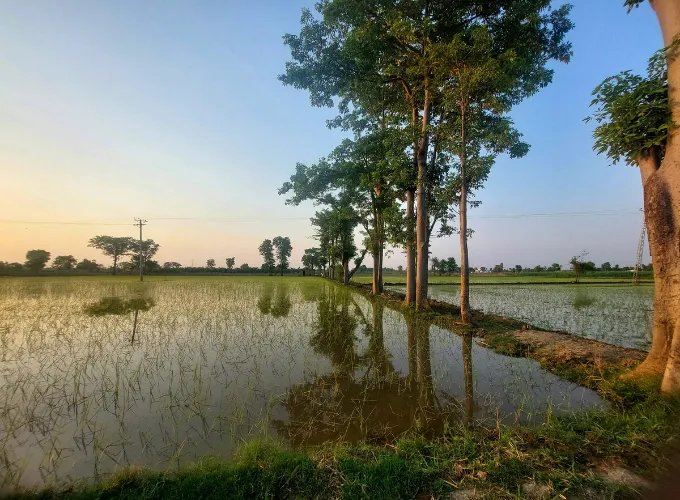
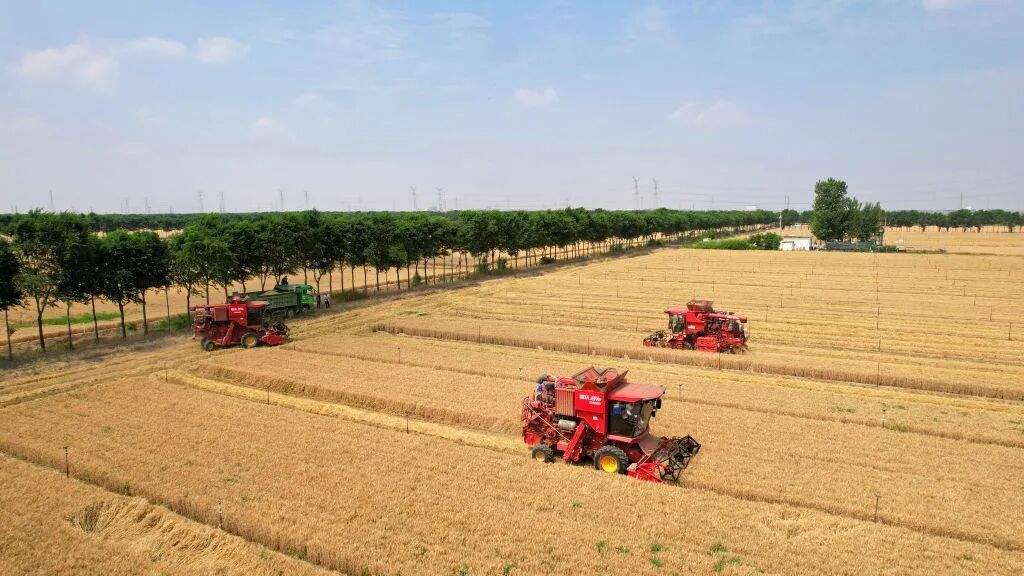
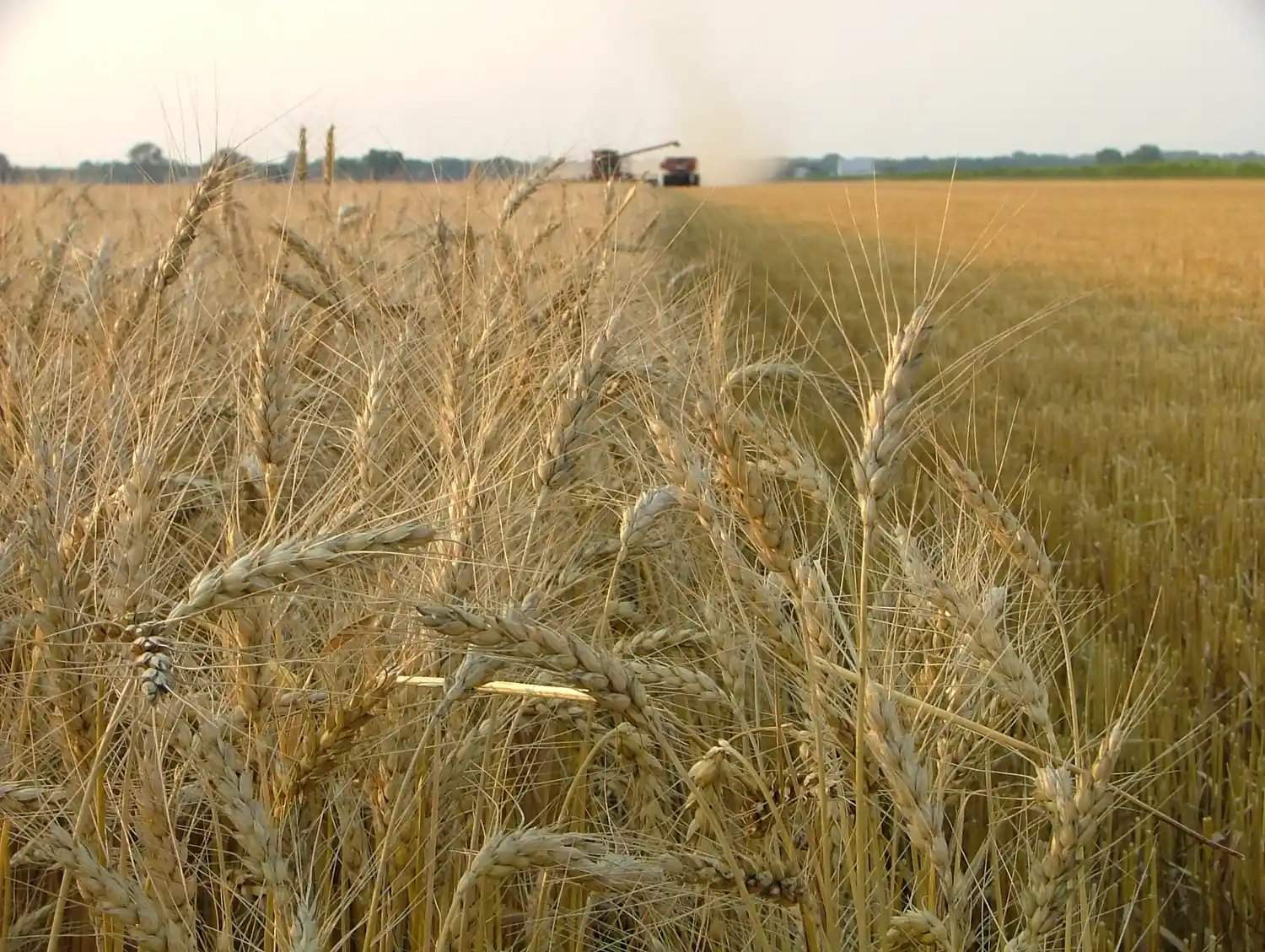
The regions where the project is implemented have long faced pressure over straw management. In Punjab and Haryana, tens of thousands of farmers burn residual straw after the rice harvest. The window between harvest and the next sowing season is short, and sustainable straw management is constrained by high labor and equipment costs, making burning their practical choice. Burning discarded biomass releases greenhouse gases such as carbon dioxide and methane, and exacerbates air pollution in South Asia during certain seasons.
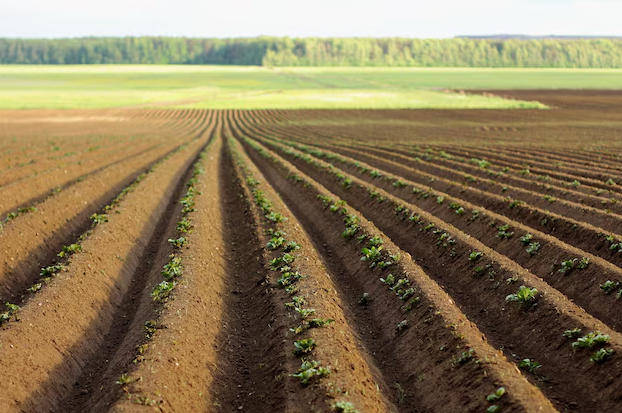
In response, Varaha helps farmers transition from conventional farming to regenerative agriculture alternatives, including direct-seeded rice (DSR), reduced tillage, and returning crop straw to the soil, in order to reduce crop straw burning and increase carbon dioxide storage in agricultural soils, thereby achieving emission reductions and carbon dioxide removal (CDR). Farmers participating in the project gain access to subsidized machinery and a share of carbon credit revenues, while also achieving higher yields, improved soil structure and water retention, and reduced fertilizer demand.
On certification, the project is certified under the VM0042 methodology of the Verra Verified Carbon Standard (VCS). As part of this agreement, the project will upgrade to the VM0042 v2.2 methodology, making its future issuances eligible for the CCP label.
GSK incorporates this partnership into its sustainability strategy. By 2030, the company plans to reduce its own carbon dioxide emissions by 80% against a 2020 baseline, offsetting the remaining 20% by investing in high-quality nature conservation and restoration projects that deliver co-benefits for human health.
Related Products



Industrial and Commercial Point-Type Gas Detector
Jinan Benan Technology Development Co., Ltd.
4HS-8 High-efficiency Peanut Inverted-laying Harvester
Hebei Yongfa Hongtian Agricultural Machinery Manufacturing Co., Ltd.

714CD Series C-Band Weather Radar
Chengdu Zhongdian Jinjiang Information Industry Co., Ltd.