Argentina's PSJ Cobre Mendocino Project Increases Processing Capacity by 50%
en.Wedoany.com Reported - The PSJ Cobre Mendocino Project (PSJ Cobre Mendocino Project) has updated its technical design during the pre-construction phase, submitting optimization plans for ore processing, water recovery, and tailings disposal to the competent authorities. PSJ stated that the modifications have been evaluated and approved. The core is a high-capacity tailings filtration system, with ore processing capacity increased from 28,000 tonnes per day to 42,000 tonnes per day, a 50% increase, while maintaining the approved freshwater flow rate of 141 liters per second, without exceeding the evaluated footprint and overall layout.
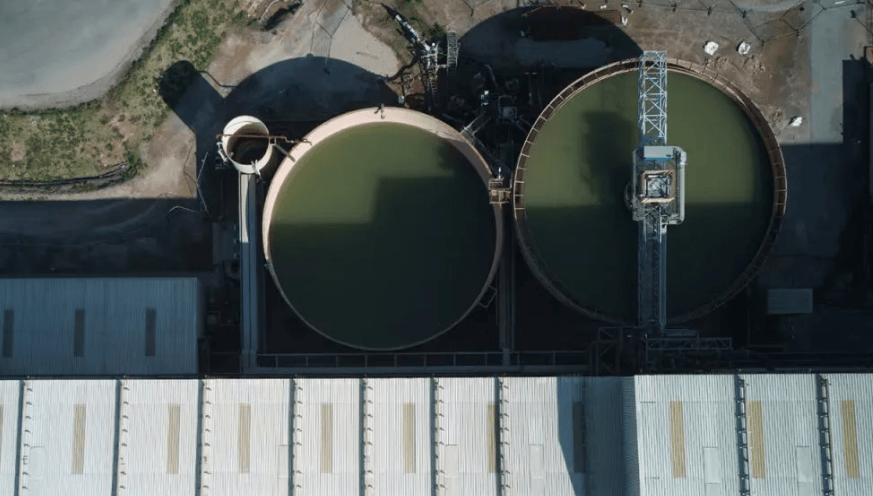
After flotation, tailings are first thickened to a solids concentration of approximately 60%, then dewatered through high-capacity filter presses to form a dense filter cake with a solids content of approximately 85%; the filter cake is transported and disposed of via dry stacking, reducing water volume in storage facilities and eliminating the need for large traditional ponds or settling basins. PSJ stated that water recovered from filtration is returned to the plant for recirculation, reducing losses and supporting higher processing capacity under the same approved freshwater flow rate.
Under the updated design, the project is expected to produce approximately 75,000 tonnes of copper, 80,000 ounces of gold, and 900,000 ounces of silver annually. PSJ stated that increasing processing capacity will enhance the economic potential of the deposit and bring benefits to Mendoza (Mendoza) through economic activity, exports, royalties, taxes, and fiscal contributions.
During the design update, PSJ completed technical studies, incorporated new geological information, and finalized the engineering design before construction commencement; the geological model of the tailings storage facility, mine planning, and operating conditions were also reviewed.
The increase in processing capacity also stems from a new infill drilling campaign. This work updated the deposit's geological model and more precisely defined ore distribution. Combining this information with current conditions in the international copper market, PSJ updated the cut-off grade, i.e., the minimum grade at which material is economically viable. After lowering the threshold, some lower-grade ore is no longer sent to the low-grade waste rock dump but is instead included in the flotation circuit; the decision depends on the results of geological, metallurgical, economic, and operational studies.
The filtered tailings storage facility was designed by Knight Piésold. This international consulting firm specializes in tailings storage facility engineering, geotechnical stability, operational monitoring, and mine facility closure. The higher material density and compaction allow disposal to remain within the approved footprint. Introducing this technology requires greater investment and increases operating costs due to the need for additional equipment, specialized filtration infrastructure, and mechanical material handling systems. PSJ stated that the improvements are intended to optimize resource utilization and enhance operational safety before construction commencement.
Increasing processing capacity will not involve mining ore from new areas, nor will it expand the project's physical or environmental footprint. The optimization aims to utilize ore already delineated in the mine plan more efficiently, while maintaining the overall layout of the facilities and the evaluated and approved footprint.
Filtration also changes the management and closure conditions of the storage facility. Reducing the moisture content of disposed material can improve stability conditions, operational control, and progressive closure planning. Areas that reach their final configuration can receive cover soil and be revegetated during the mine life, provided they meet detailed engineering specifications. Management need not be deferred entirely until the end of operations but can proceed progressively over the project's estimated 16-year mine life.
Related Products



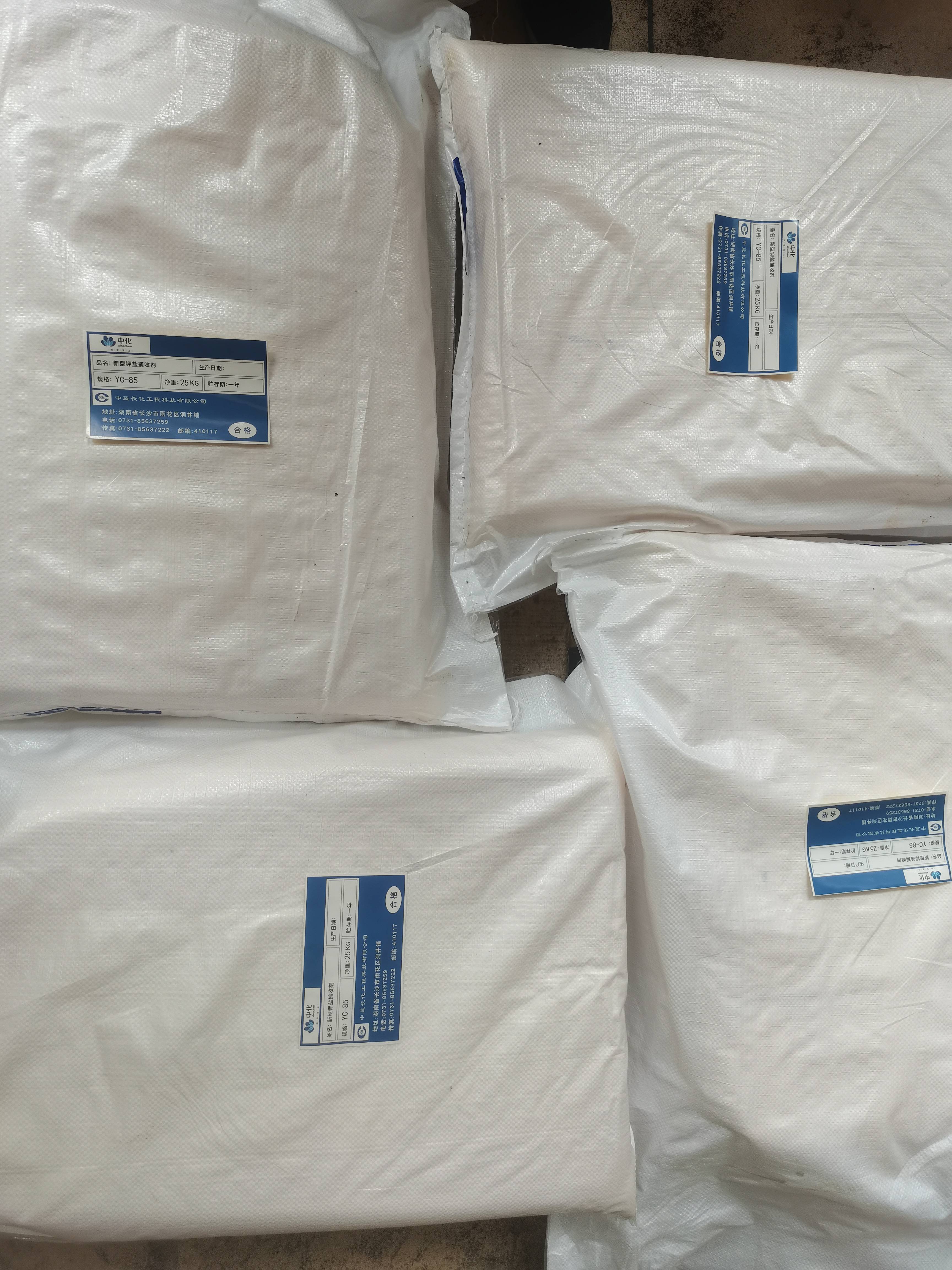
New Environmentally Friendly Green Potassium Salt Collector
Chonfar Engineering and Technology Co., Ltd.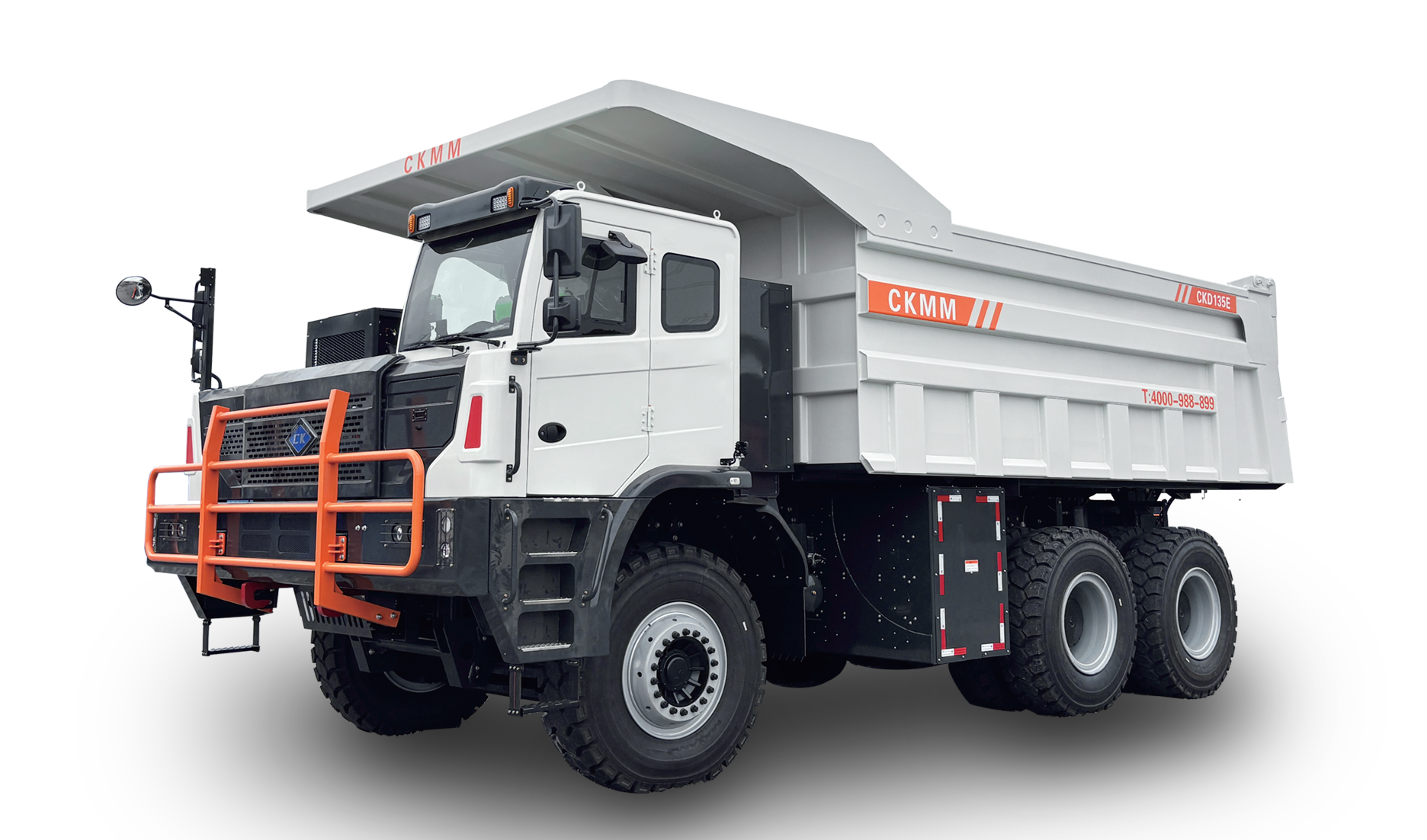
CKD135E Pure Electric Wide-body Dump Truck
Jiangsu Changkuang Engineering Machinery Co. Ltd.
High-temperature Equal Wall Thickness High-power Screw Drilling Tool
Orient Energy & Technologies Co., Ltd.