Russia and Vietnam Sign Agreement to Build Additive Manufacturing Center, Deepening Cooperation in Industry and Nuclear Energy
en.Wedoany.com Reported - The fuel division of Rosatom and Vietnam National Oil and Gas Group have officially signed a cooperation agreement to jointly establish an additive manufacturing center in Vietnam. This strategic cooperation project aims to leverage advanced manufacturing technologies to jointly develop related industrial applications.
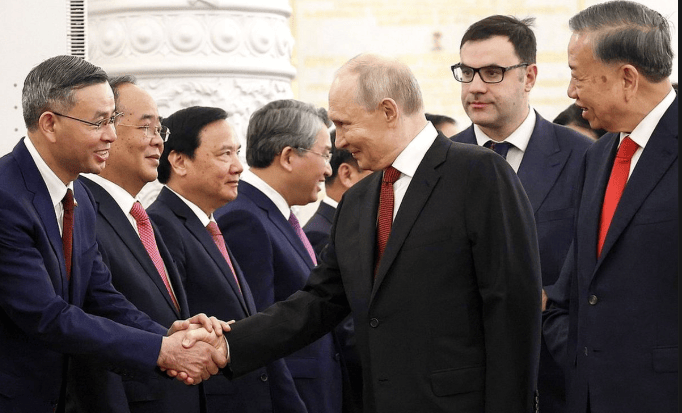
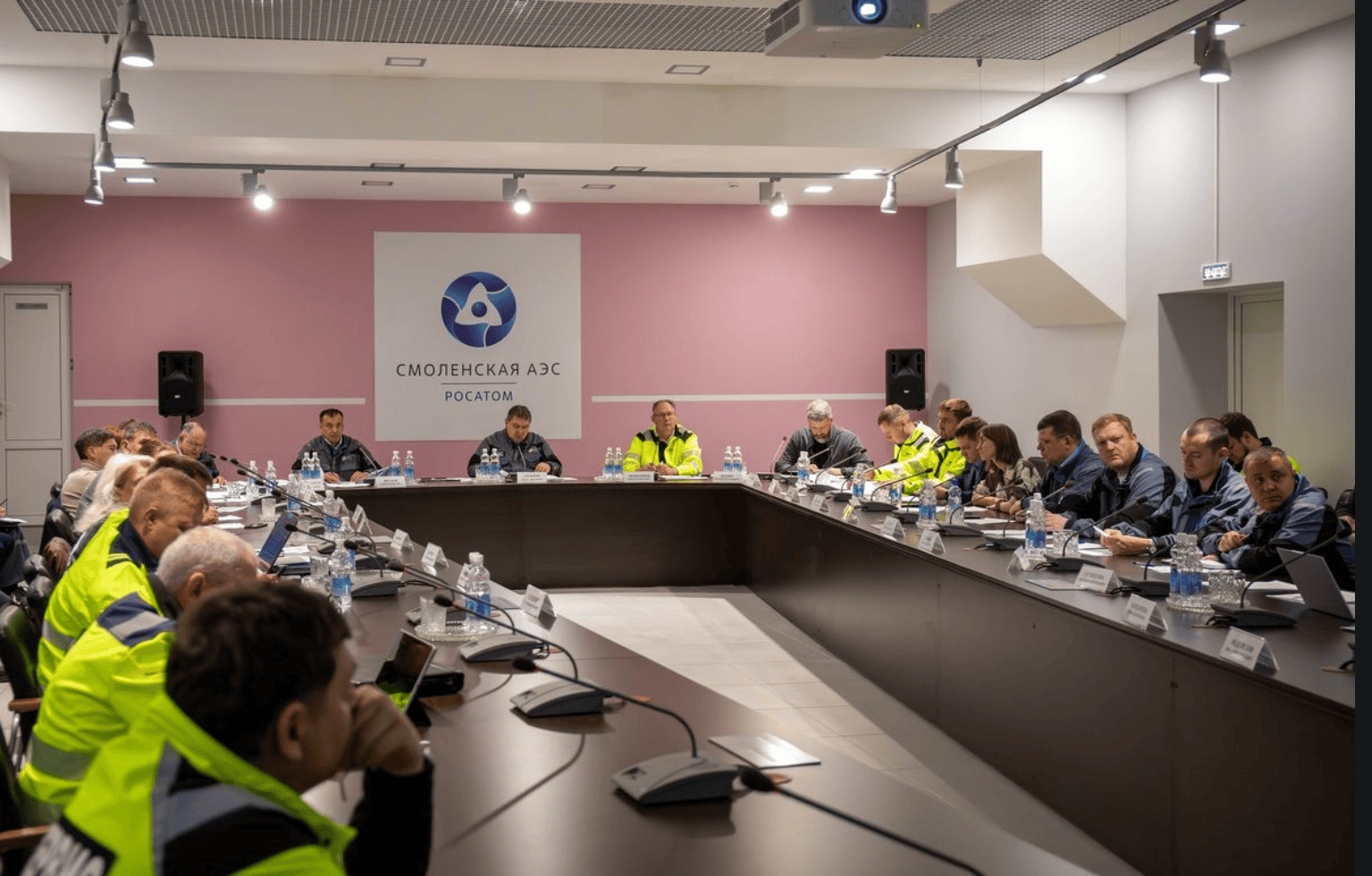
The formal document exchange ceremony was held on September 9, 2026. Russian President Vladimir Putin and To Lam, General Secretary of the Central Committee of the Communist Party of Vietnam and President of Vietnam, who is currently on an official state visit to Russia, attended the ceremony. Nikolay Spassky, Deputy Director General for International Affairs of Rosatom, and Le Ngoc Son, Chairman of Petrovietnam, also participated in the relevant agenda.
The agreement specifies in detail the scope of equipment required to open a fully functional 3D printing center in Vietnam and the specific delivery schedule. Specifically, the agreement provides for the delivery of 3D printers produced by Rosatom's fuel division, which use selective laser melting and direct laser deposition technologies and are capable of printing metal parts, as well as Russian equipment for heat treatment, turning, laboratory analysis, and other applications.
Phan Tu Giang, Vice President of Petrovietnam, noted that this additive manufacturing center is by no means merely the implementation of 3D printing technology for Petrovietnam, but a strategic tool for addressing application challenges in the fuel and energy sector. The center will be able to rapidly produce complex parts for drilling and pumping equipment, effectively reduce production downtime through rapid prototyping, and repair equipment and large components using modern additive manufacturing technologies.
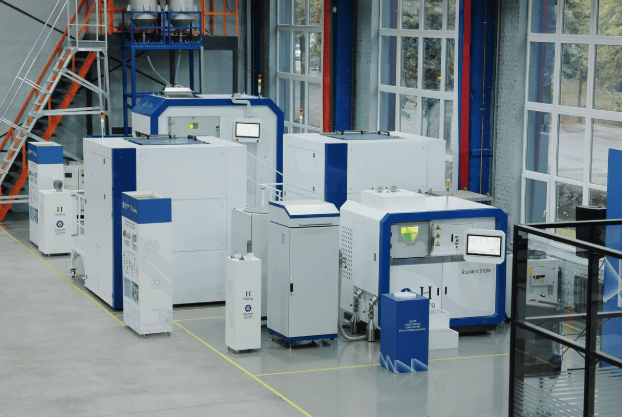
In addition, the agreement also stipulates provisions for the construction of metal powder production in Vietnam, covering technical training and information exchange, as well as the joint development of quality standards, product qualification procedures, and certification. Ilya Kaverashvili, Director of the Additive Manufacturing Technology Business Unit of Rosatom's fuel division, stated that both parties are ready to explore the possibility of localizing 3D printer production in Vietnam in the future, following their work with partners in Belarus in 2025 to transition from supplying 3D printers to jointly assembling and delivering them to third-party customers.
Additive manufacturing technology makes it possible to produce parts and components that are difficult to manufacture by traditional methods such as casting and machining. 3D printing technology can reduce product weight, optimize material consumption, and significantly shorten production time. Modern 3D printers can quickly adjust printing parameters to manufacture required parts using a variety of materials, and their applications are very broad, covering nuclear energy, aerospace, healthcare, and many other industries.
Rosatom's fuel division owns core facilities for nuclear fuel manufacturing, uranium conversion and enrichment, and gas centrifuge production. As the sole nuclear fuel supplier for Russian nuclear power plants, the fuel it produces is used in one-sixth of the world's power reactors. The division is actively expanding into new businesses in chemicals, metallurgy, energy storage technology, 3D printing, digital products, and nuclear facility decommissioning. Russia continues to develop international trade and economic relations, focusing on strengthening cooperation with friendly countries, and Rosatom and its subsidiaries are actively participating in this effort.
Related Products
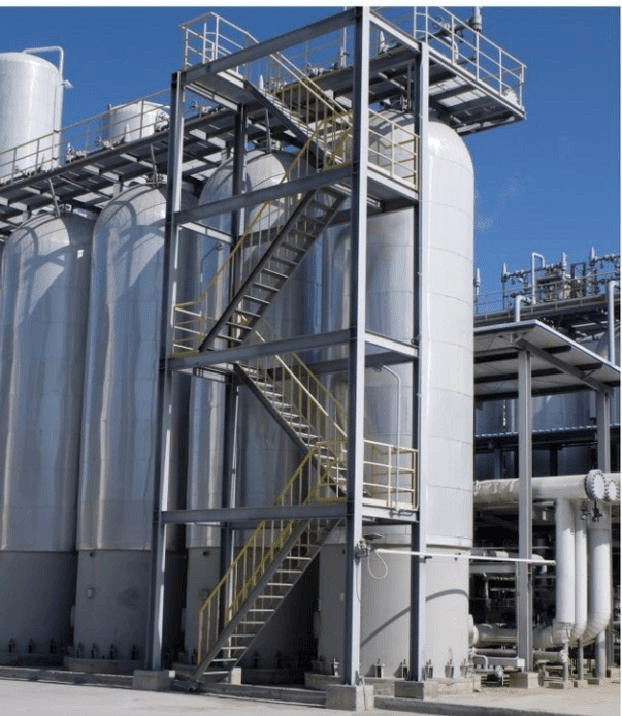

Hydrogen Production Technology: Hydrogen Purification by Pressure Swing Adsorption
Chengdu Yizhi Technology Co., Ltd.
Forest and Grassland Heat Source Infrared Monitor
China Huayun Meteorological Technology Group Co., Ltd.
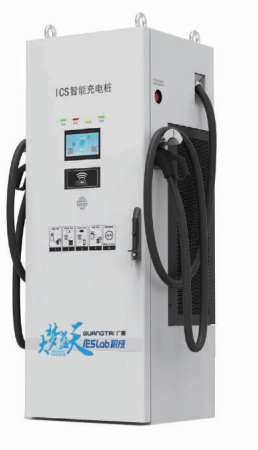
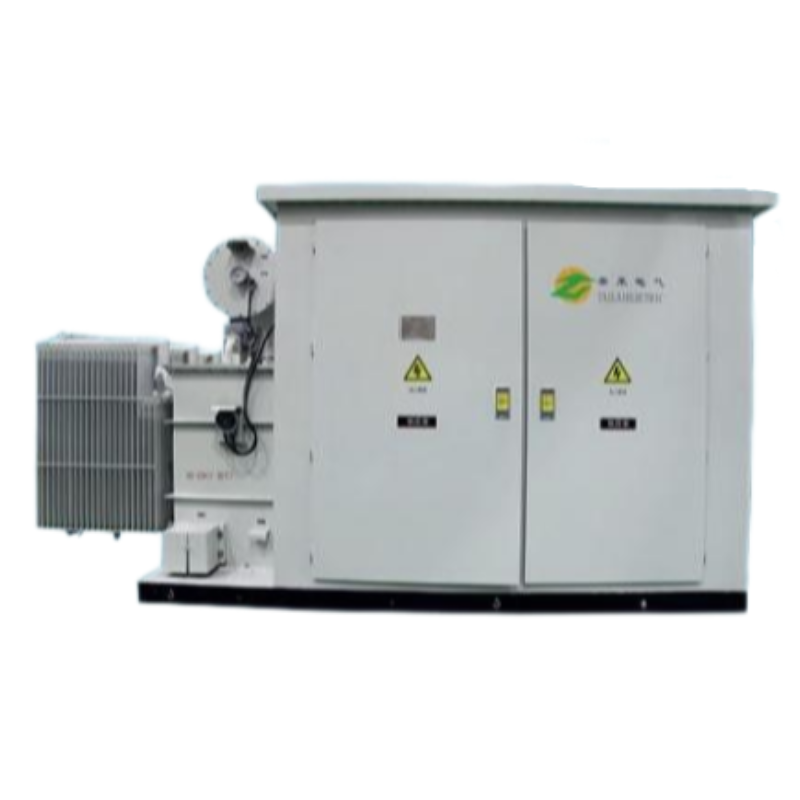
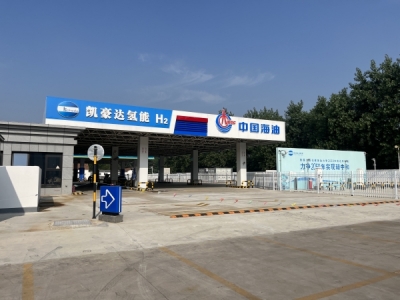
Hydrogen production and hydrogenation charging refueling gas integrated energy station
Shenzhen Kohodo Hydrogen Energy Co., Ltd.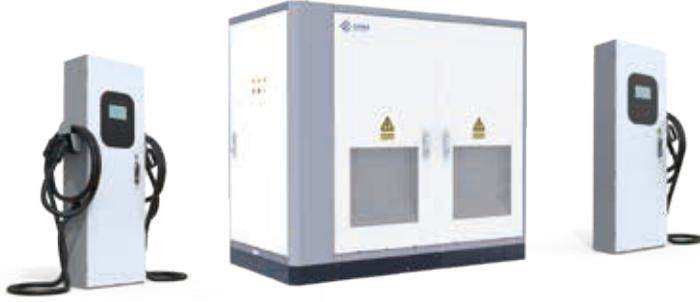


Hydraulic Turbine Genset
Dongfang Electric Corporation Dongfang Electric Machinery Co., Ltd.
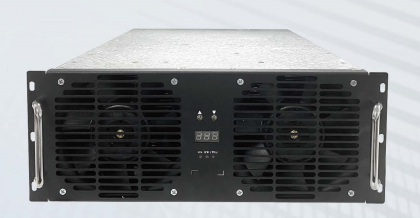
80kW Megawatt Supercharging Module TH80F10030C9
Shijiazhuang Tonhe Electronics Technologies Co., Ltd.