India Plans to Increase Coal Power Installed Capacity to 315 GW by 2035–36
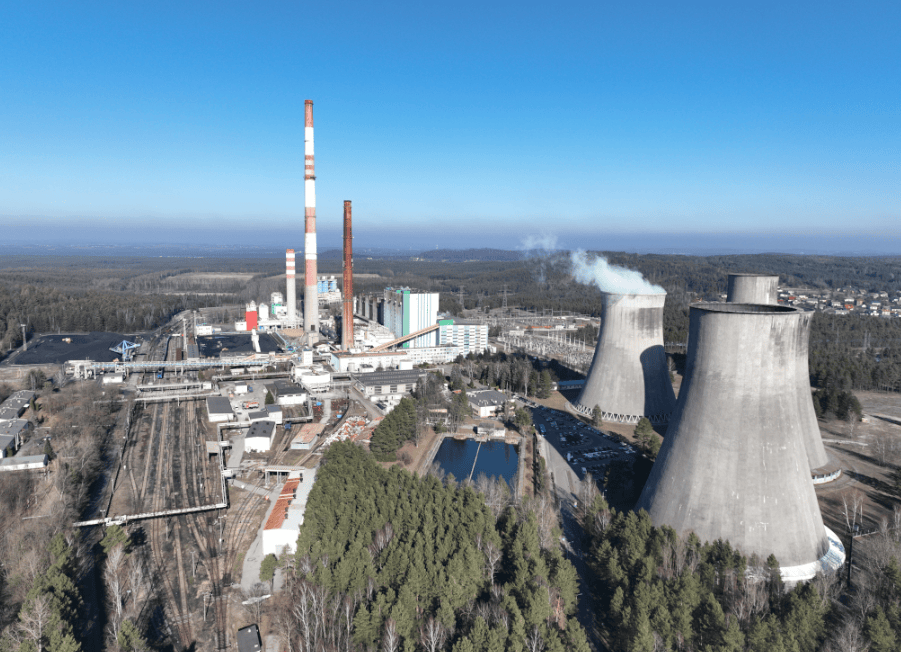
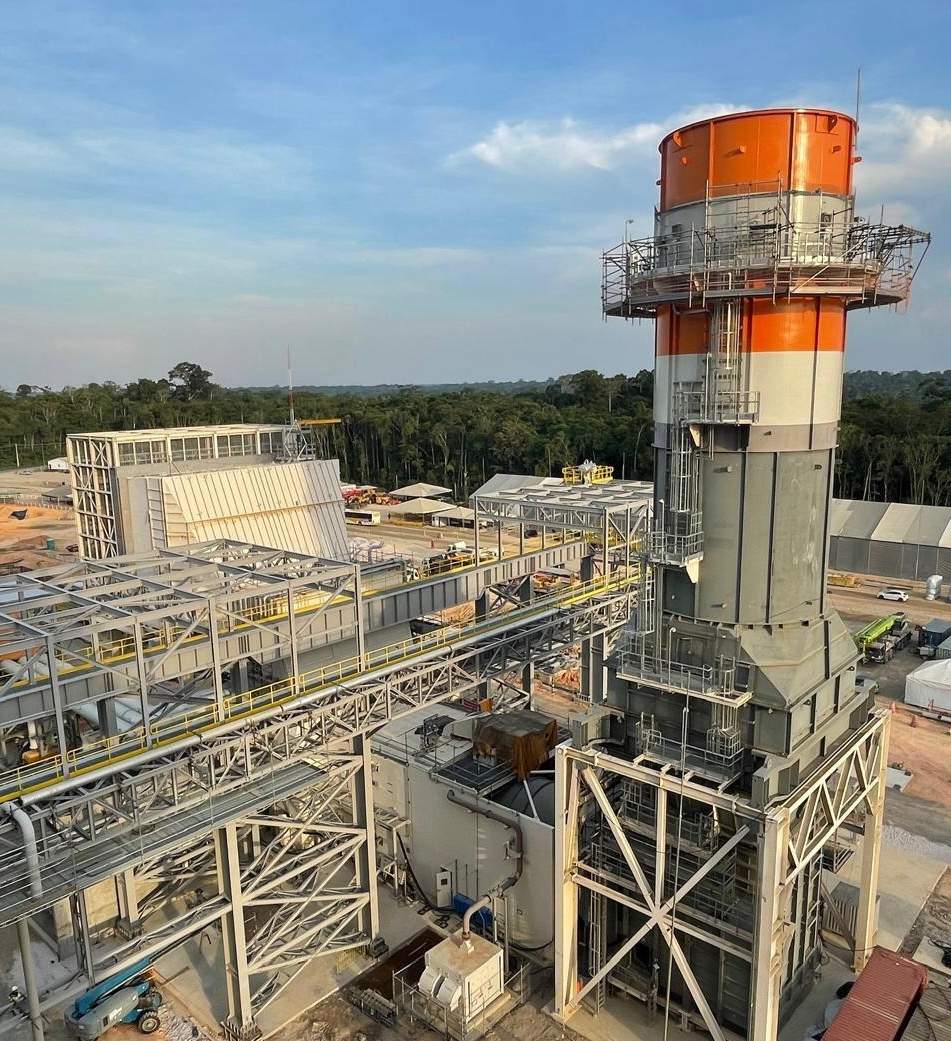
en.Wedoany.com Reported - On September 24, officials from India's Ministry of Power and the Central Electricity Authority (CEA) disclosed at an event of the Federation of Indian Chambers of Commerce and Industry that India is expected to still rely on coal power for about half of the country's electricity generation by the 2035–36 fiscal year. India's current coal power installed capacity is about 224 GW. According to the medium- and long-term power system plan, it is planned to increase to about 315 GW by the 2035–36 fiscal year, and a number of large coal-fired power units will continue to be built over the next decade or so.

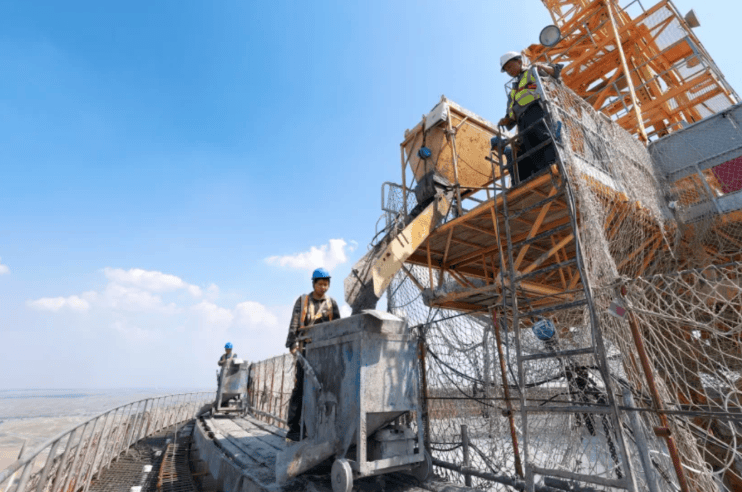
According to the construction progress announced by CEA official Praveen Gupta, about 50 GW of coal power capacity in India is currently under construction, of which 31 GW of projects were awarded in the past two years; another about 15 GW of projects have been awarded but have not yet entered the construction stage. To meet the capacity demand for the 2035–36 fiscal year, India still needs to award about 10 GW to 11 GW of additional coal power projects, and the relevant candidate projects are currently at different approval stages.
The CEA already issued the National Generation Adequacy Plan for 2026–27 to 2035–36 in March this year, incorporating the power capacity demand, power supply reliability, and power source mix for the next decade into unified planning. Data submitted by India's Ministry of Power to the Rajya Sabha in March this year show that as of the end of February 2026, the country's total power generation installed capacity was about 524 GW, including 227.8 GW of coal and lignite capacity, 20.1 GW of natural gas, 8.8 GW of nuclear power, and 266.7 GW of renewable energy. The Ministry of Power classifies coal power as dispatchable capacity to meet sustained load and grid regulation needs.
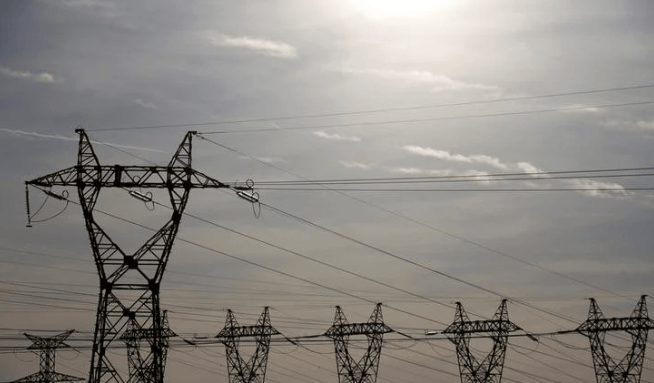
Coal power expansion is advancing in parallel with India's non-fossil energy construction. The CEA has completed transmission system planning for more than 900 GW of non-fossil energy installed capacity for the 2035–36 fiscal year; the Indian government previously set a target of reaching 500 GW of non-fossil energy power generation installed capacity by 2030. While solar, wind, hydropower, nuclear power, and energy storage capacity continue to increase, coal power capacity planning still remains expansionary.
India's previously announced medium-term plans have continuously raised the scale of coal power construction. Ministry of Power data from 2025 showed that the coal and lignite power generation capacity demand for the 2034–35 fiscal year was once estimated at about 307 GW, which, compared with the installed capacity base of 211.855 GW as of the end of March 2023, meant a planned addition of at least 97 GW. By September this year, the target for the 2035–36 fiscal year given by CEA officials had further reached about 315 GW.
On the fuel supply side, some coal-fired power plants in India have recently had low inventories. Data from September show that nearly 40% of coal-fired power plants had coal inventories at critical levels; the Indian government is also evaluating the restoration of a requirement for domestic coal-fired power plants to blend up to 5% imported coal. The construction of new coal power units, domestic coal supply, railway transportation, and imported coal procurement will together constitute the fuel guarantee links for subsequent new thermal power capacity.
Related Products


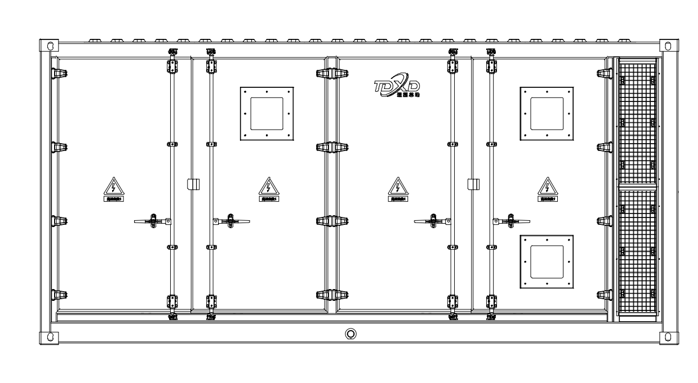
5012kWh DC Energy Storage System TD-EES-5012kWh
Suzhou Tongding Xindong Energy Storage Technology Co., Ltd.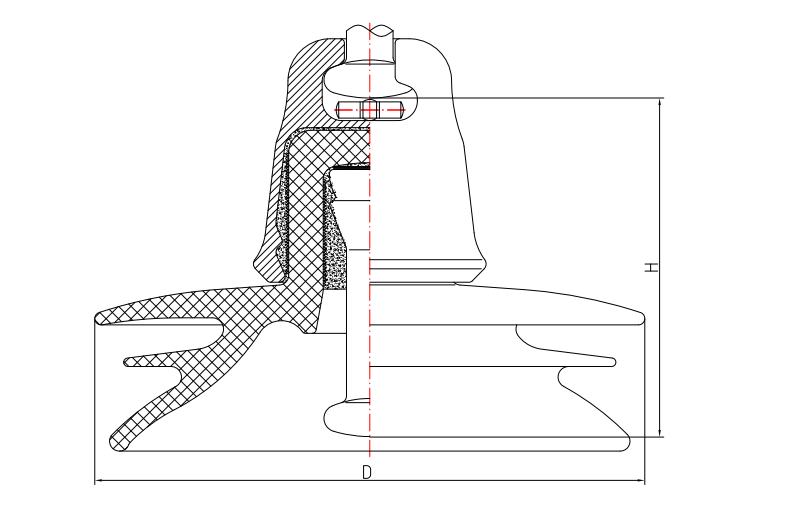
Post-type AC Pollution-resistant Disc Suspension Porcelain Insulator (Triple Umbrella Type)
Shandong High Voltage Insulator Co., Ltd.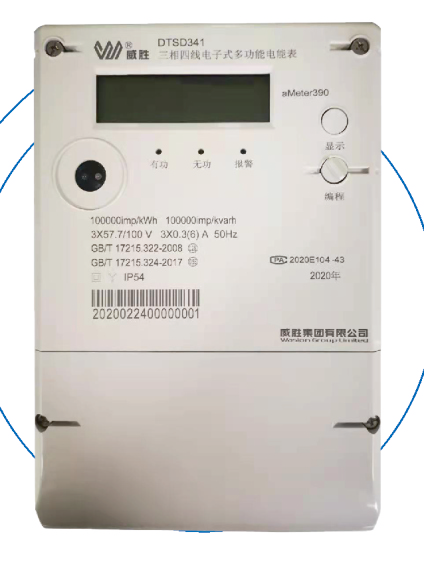
Overseas IEC Gateway Energy Meter - DTSD341/DSSD331-aMeter390
Wasion Group Limited Co., Ltd.
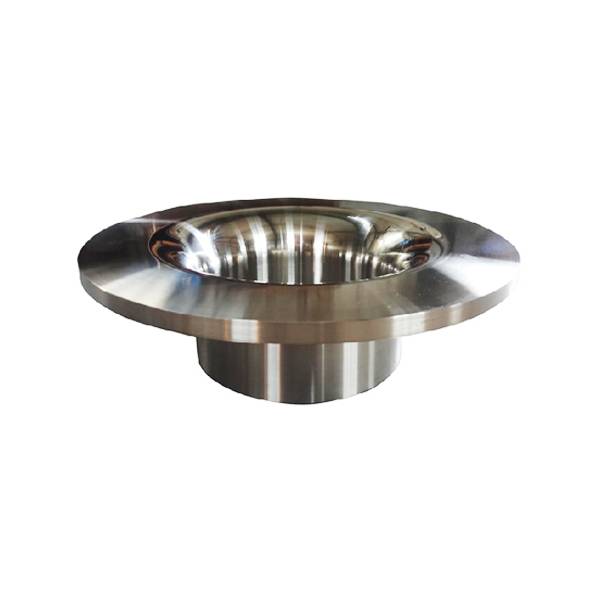
Standard Nozzle Flowmeter
Jinggong Automatic Control Instrument Complete Technology Development Company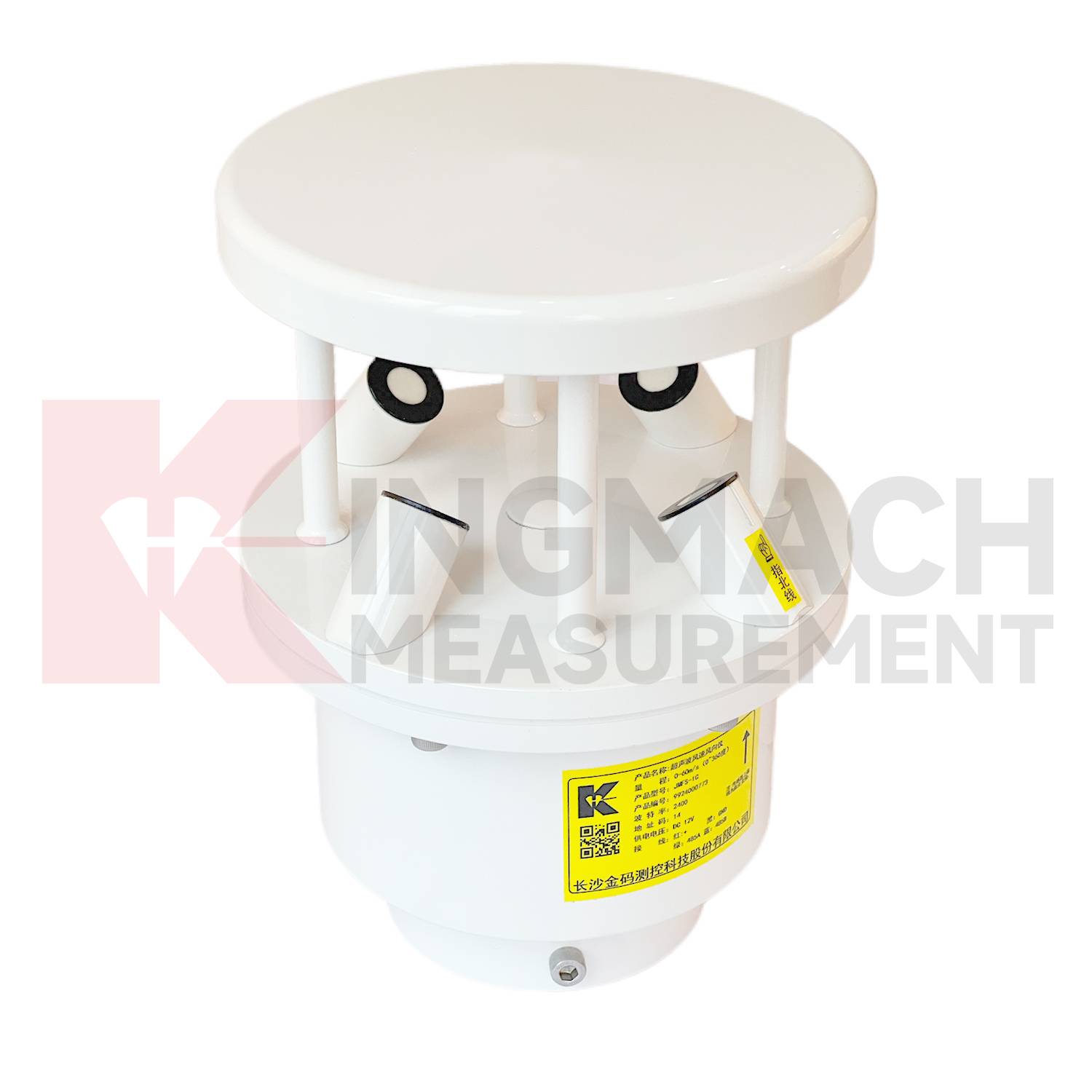
Ultrasonic Wind Speed and Direction Instrument
Kingmach Measurement & Monitoring Technology Co., Ltd.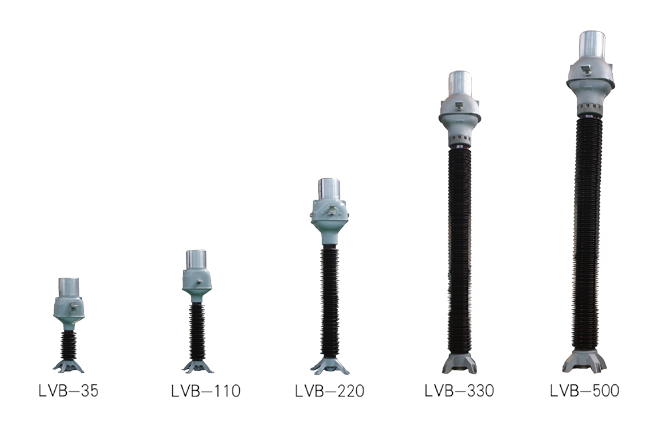
LVB Series 35-500kV Oil-immersed Inverted Current Transformer
Shandong TaiKai Instrument Transformer Co., Ltd.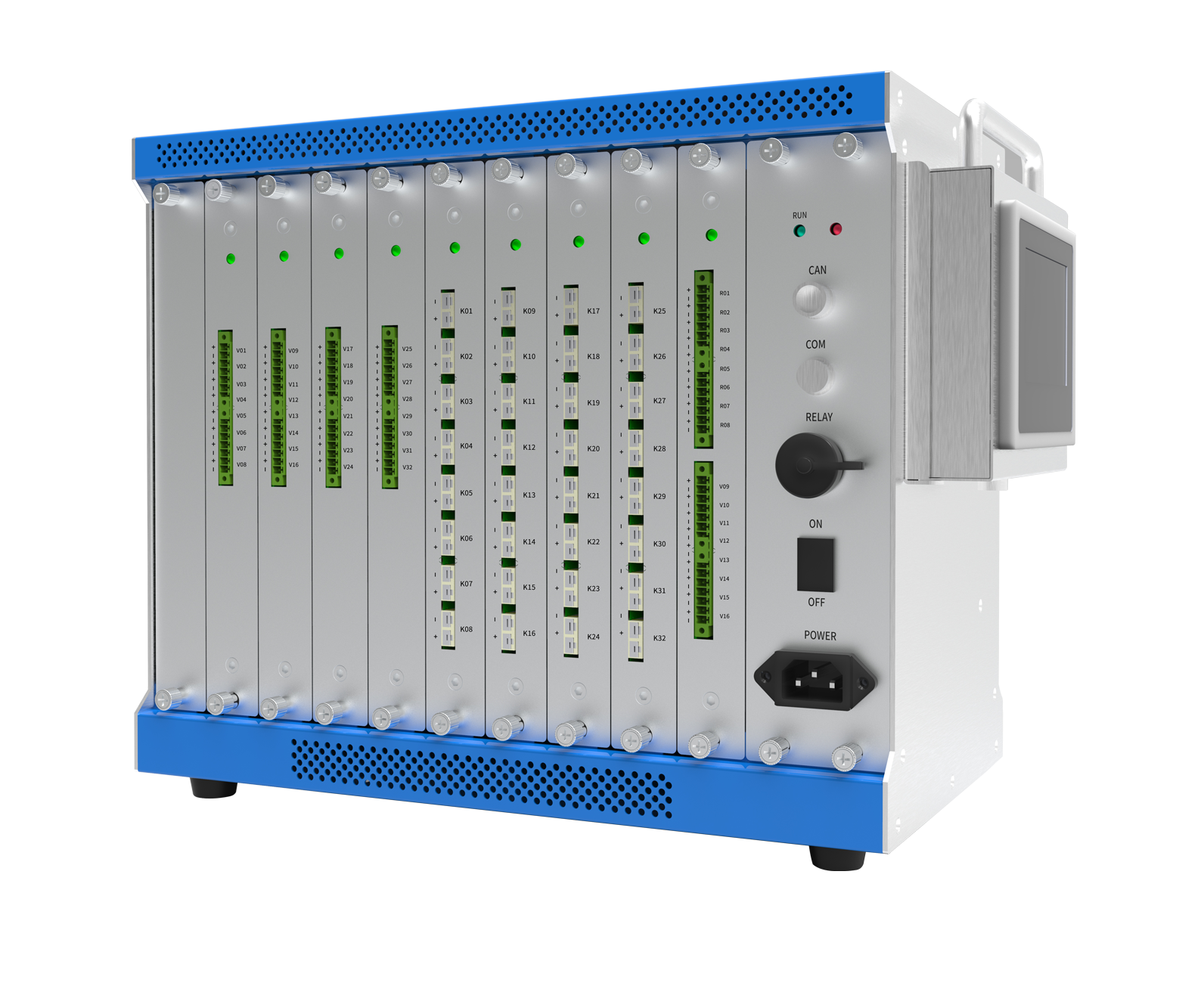
Optional Accessory - Auxiliary Sampling Module
Beijing Soaring Electric Technology Co., Ltd.
Quick-Change Single-Seat Control Valve / Quick-Change High-Pressure Single-Seat Control Valve
Beijing Consen Automation Technology Co., Ltd.