Fraunhofer Develops High-Speed Stamping Inline Inspection System, Detecting 400 Times per Minute
en.Wedoany.com Reported - On October 7, the Fraunhofer Institute for Computer Graphics Research in Germany announced technical progress on the Inform-QC high-speed stamping inline quality inspection system. The system uses camera imaging and digital image analysis technology and can be integrated directly into idle stations of continuous stamping dies. At production rates of up to 400 strokes per minute, it inspects surface changes on formed metal parts and identifies quality deviations that may be caused by die wear. The institute plans to present a supporting demonstration device at the 2026 Hannover International Sheet Metal Working Technology Exhibition.
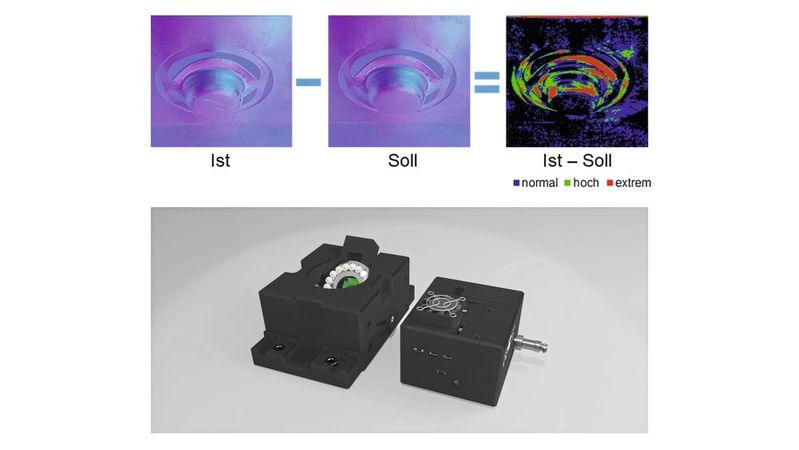
Inform-QC uses photometric stereo technology. Light sources from different directions illuminate the metal part in sequence, while a camera at a fixed position captures multiple images and calculates a digital normal map of the part surface. The system compares surface data collected during production with a pre-established reference model of a qualified part and uses the distribution of differences to identify subtle changes in surface topography. The inspection results are presented as a wear feature map, which can associate anomalous areas with the corresponding forming operation or die component.
The institute has carried out relevant technical validation for dry metal surfaces, focusing on identifying part surface changes caused by abrasive wear of the die and material adhesion. The system can continuously collect and analyze data within existing stamping production rates without requiring a separate downstream inspection station. The existing technical solution is also being studied for applicability to blanking, deep drawing, and other metal plastic forming processes.
In response to the working conditions in industrial production where lubricated metal strip is commonly used, the institute has launched a follow-up research project to evaluate the influence of lubricating oil films on surface imaging, three-dimensional topography reconstruction, and defect identification. The research work will test image acquisition and analysis methods under different lubrication conditions and verify the applicability of the relevant inspection process in actual metal forming operations.
This presentation uses a specially developed small-scale continuous production demonstration device, which simulates the actual production process by sequentially conveying different formed parts.
Related Products

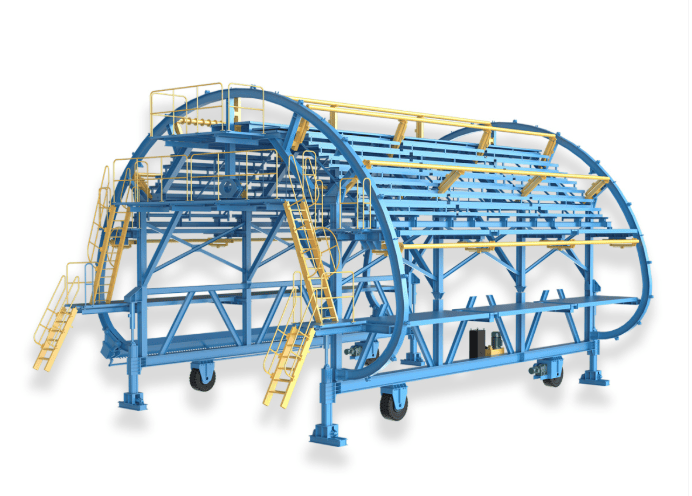
QLZNGJ Intelligent Steel Reinforcement Trolley
Luoyang China Railway Qiangli Machinery Co., Ltd.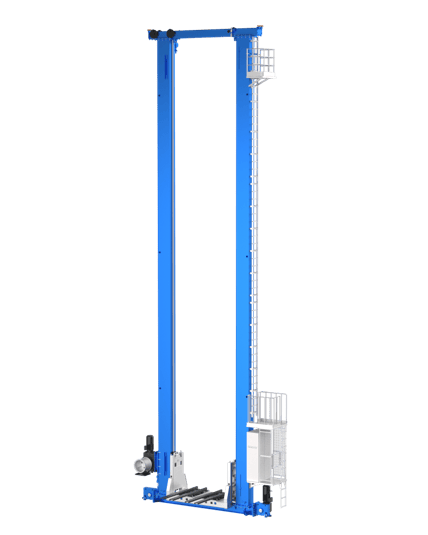
Pallet Solutions Product Line: HD3000 Double-Column Stacker Crane
Zhongding Intelligent (Wuxi) Technology Co., Ltd.


CAP1400 main feedwater flow nozzle flowmeter.
Jiangsu Hongda Instrument Technology Co., Ltd.
Aluminum-Magnesium Alloy High-Pressure Die-Casting Molds
NINGBO HELI TECHNOLOGY CO., LTD.
Standard Nozzle Flowmeter
Jinggong Automatic Control Instrument Complete Technology Development Company