ICRISAT Showcases 16,000 Pearl Millet Breeding Trial Plots
en.Wedoany.com Reported - From October 12 to 13, the International Crops Research Institute for the Semi-Arid Tropics (ICRISAT) held a pearl millet breeding field evaluation event in India, showcasing approximately 16,000 breeding trial plots. Eighty researchers from public research institutions and seed companies in India, Africa, Japan, and other regions participated in material evaluation and selection. The research focused on traits including drought tolerance, heat tolerance, disease resistance, early maturity, grain quality, and fodder yield.
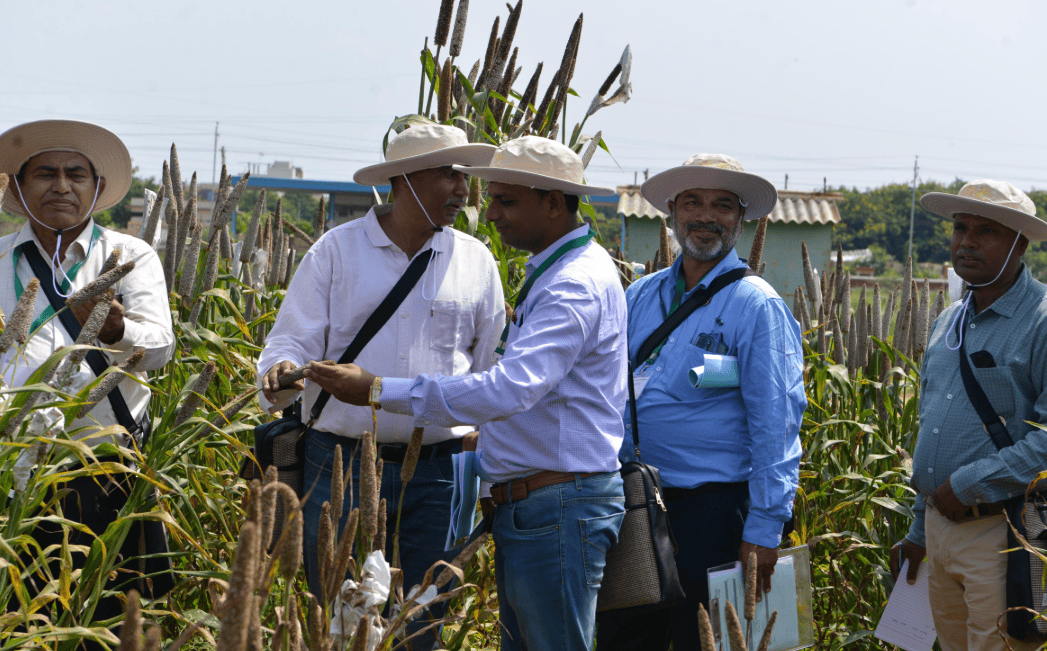
The breeding materials displayed included pearl millet B-line parents, R-line restorers, and fodder breeding materials. Researchers focused on evaluating traits such as drought and heat tolerance, blast resistance, grain quality improvement, and high fodder value, and conducted specialized screening for high-protein, brown midrib (bmr), and sweet-stalk materials.
Based on field performance, breeders put forward further improvement requirements, including developing shorter-stature and earlier-maturing parental materials to reduce lodging risk and improve adaptability to mechanized harvesting. The institute also continued to advance improvements in grain color, drought tolerance, blast resistance, and fodder quality based on feedback from the previous round of field evaluation in 2024.
ICRISAT advances the development of pearl millet materials adapted to the low-rainfall A1 agro-ecological zone in India through methods such as forward breeding and shuttle breeding. The related breeding work is jointly promoted by the institute together with public research institutions, seed companies, and the Hybrid Parents Research Consortium (HPRC).
The event also showcased the three-way pearl millet hybrid RHB 273, developed jointly by ICRISAT and the Indian Council of Agricultural Research. This variety was approved in January 2026 for cultivation in low-rainfall areas of Rajasthan, Gujarat, and Haryana in India, with target traits including grain productivity, drought tolerance, and fodder quality.
Related Products



Industrial and Commercial Point-Type Gas Detector
Jinan Benan Technology Development Co., Ltd.

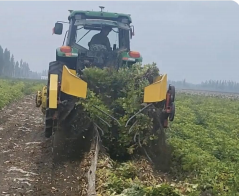
4HS-8 High-efficiency Peanut Inverted-laying Harvester
Hebei Yongfa Hongtian Agricultural Machinery Manufacturing Co., Ltd.
MH220E Two-Row Hybrid Packaged Cotton Picker
CHINA RAILWAY CONSTRUCTION HEAVY NDUSTRY XINJIANG CO., LTD.

714CD Series C-Band Weather Radar
Chengdu Zhongdian Jinjiang Information Industry Co., Ltd.