Brazil Expected to Reach 5 Million Barrels per Day of Oil Production by 2028 with 29 New FPSOs Added
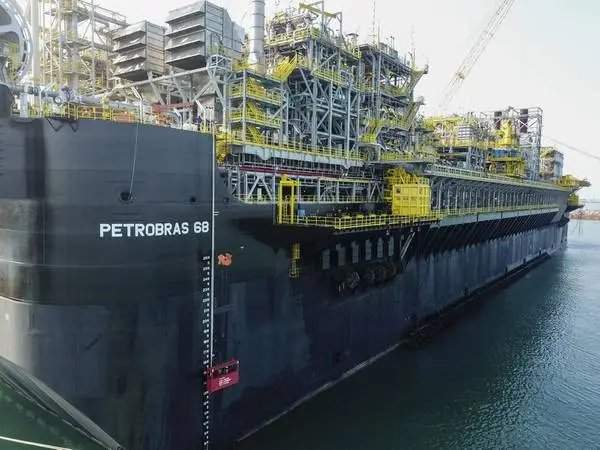
en.Wedoany.com Reported - On November 5, Brazil's Ministry of Mines and Energy and the Energy Research Company jointly released a special study on oil and natural gas production under the Ten-Year Energy Expansion Plan 2036, projecting that Brazil's crude oil output will reach approximately 5 million barrels per day in 2028 and remain near that peak thereafter, reaching 4.9 million barrels per day by 2036, an increase of about 30% compared with 2025. The report also estimates that investment in Brazil's oil and gas exploration and production sector will reach up to 2.4 trillion reais between 2027 and 2036, with 29 new floating production, storage and offloading (FPSO) units planned.
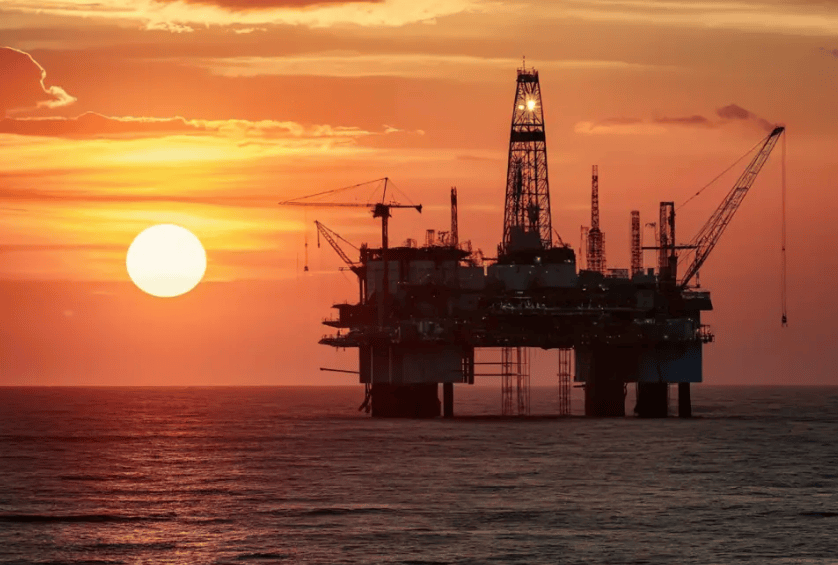
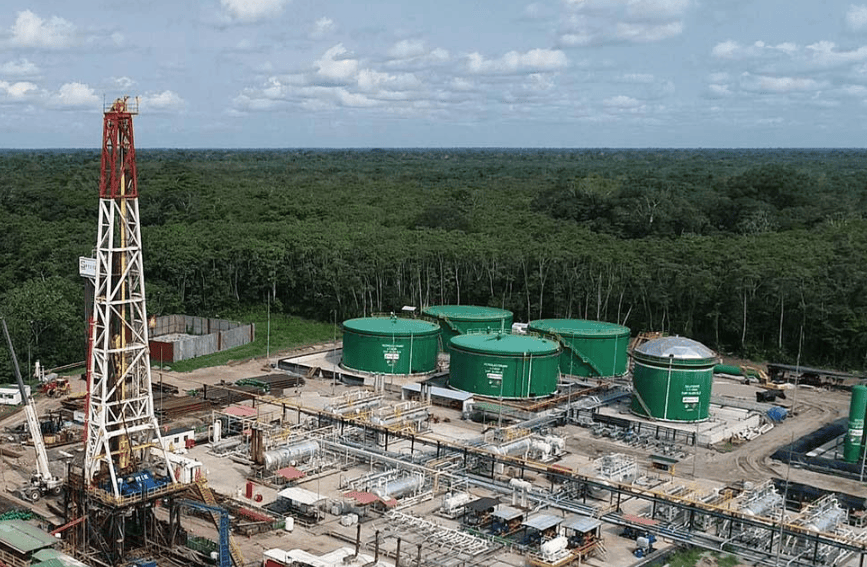
The report projects that future incremental oil production will mainly come from the development of pre-salt fields and the commissioning of new production facilities. By 2036, pre-salt fields are expected to contribute 73% of Brazil's national oil production, with deepwater and ultra-deepwater production accounting for an estimated 94%. Onshore fields are expected to produce 153,000 barrels per day, accounting for about 3% of national output. The commissioning of new offshore production systems, production maintenance at mature fields and the development of new exploration areas together form the basis of the oil production forecast for the next decade.
To support these production targets, the report incorporates 29 new fixed-position offshore production systems into its investment and capacity forecasts for 2027 to 2036, with the relevant facilities mainly taking the form of FPSOs. The construction requirements for the new production systems involve offshore floating production units, oil and gas processing facilities and associated subsea production systems. The estimated 2.4 trillion reais in exploration and production investment covers relevant activities across Brazil's oil and gas industry over the next decade; the 29 production units are planning projections and not all have had construction contracts signed.
Natural gas production is expected to grow in tandem. By 2036, Brazil's total natural gas output is projected to reach 308 million cubic meters per day, an increase of 72% compared with 2025, with the main sources of growth including the Santos Basin, Campos Basin, Sergipe-Alagoas Basin and Parnaíba Basin. Pre-salt natural gas is expected to account for 76% of national output. After deducting gas used by production facilities, reinjected gas, losses and flaring, national net natural gas production is projected to reach 135 million cubic meters per day, an increase of 125% compared with 2025.
Onshore natural gas development will also expand during the forecast period. The study projects that by 2036, Brazil's onshore natural gas output will reach 26 million cubic meters per day, accounting for about 20% of national net natural gas supply. The pre-salt is expected to contribute about 55% of net natural gas production, with offshore oil and gas production and onshore natural gas development forming different production growth structures over the next decade.
In the planning of natural gas processing facilities, the study assessed the feasibility of building a centralized natural gas processing hub (Gas Hub) in the Mero field in the Santos Basin. The proposed facility could centrally process natural gas from some existing offshore production platforms that is difficult to export due to limited carbon dioxide separation capacity, with a potential gas export capacity of approximately 15 million cubic meters per day. The facility is a resource development and processing option proposed by the study, and the relevant scale represents potential capacity.
The report also conducted a sensitivity analysis of the resource increments brought by improved oilfield recovery rates. According to the study's estimates, for every 1 percentage point increase in oilfield recovery rate, Brazil's onshore basins could see recoverable resources increase by approximately 207 million barrels of oil equivalent, while offshore oil and gas fields could see recoverable resources increase by approximately 2.3 billion barrels of oil equivalent. The redevelopment of mature fields in the Campos Basin, subsea tieback development, reuse of existing production facilities, platform electrification and carbon capture and storage are included in the research directions for extending the production life cycle of existing oil and gas assets.
Reserve projections show that by 2036, Brazil's proven oil reserves are expected to reach approximately 23 billion barrels, corresponding to a reserves-to-production ratio of about 13 years; proven natural gas reserves are expected to reach approximately 1 trillion cubic meters, corresponding to a reserves-to-production ratio of about 8 years. This forecast is premised mainly on continued exploration, new discoveries, conversion of potential resources and commissioning of new production systems as planned; resource development during the planning period will involve both exploration of new fields and renewal of existing offshore facilities.
Related Products


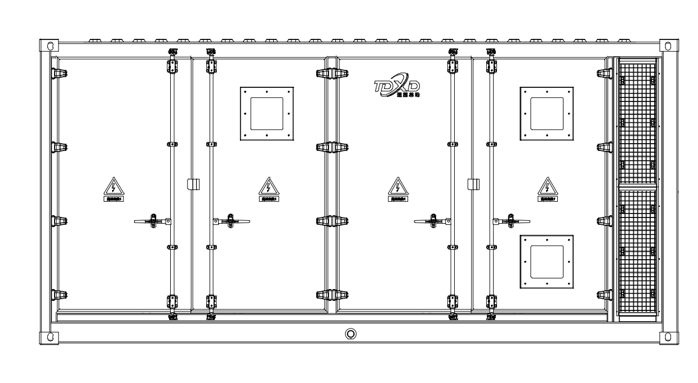
5012kWh DC Energy Storage System TD-EES-5012kWh
Suzhou Tongding Xindong Energy Storage Technology Co., Ltd.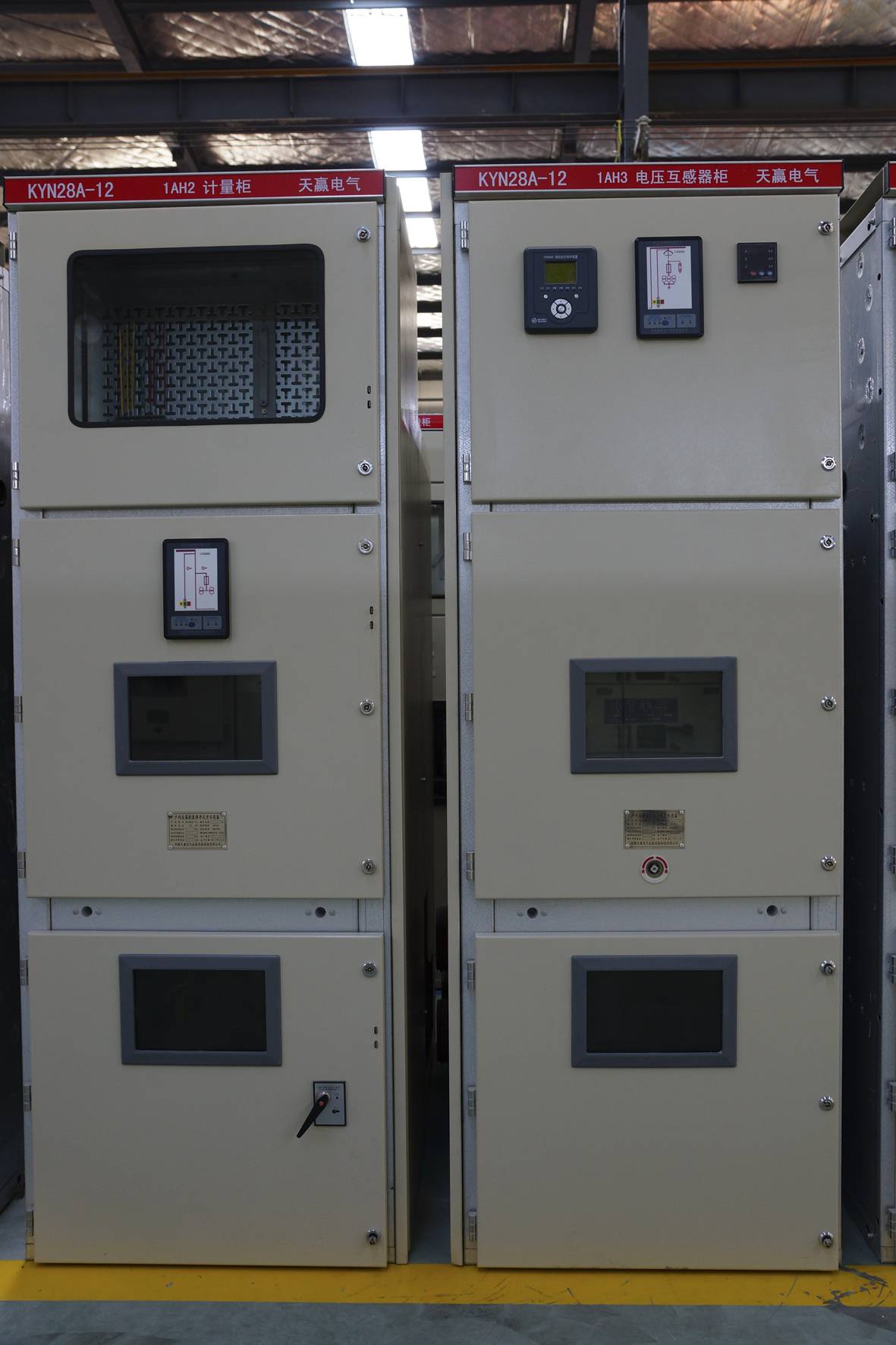
KYN28 - High Voltage Switchgear
Anhui Tianying Electrical Equipment Manufacturing Co., Ltd.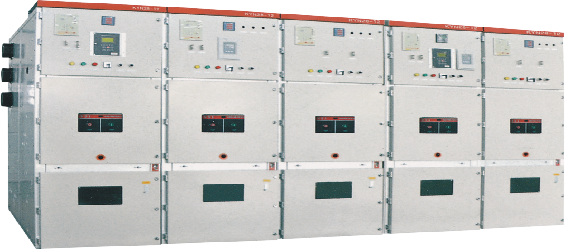
KYN28-12/24 Indoor High-Voltage Metal-Clad Removable Switchgear
Shenzhen Zhaoyang Hui Technology Co., Ltd.
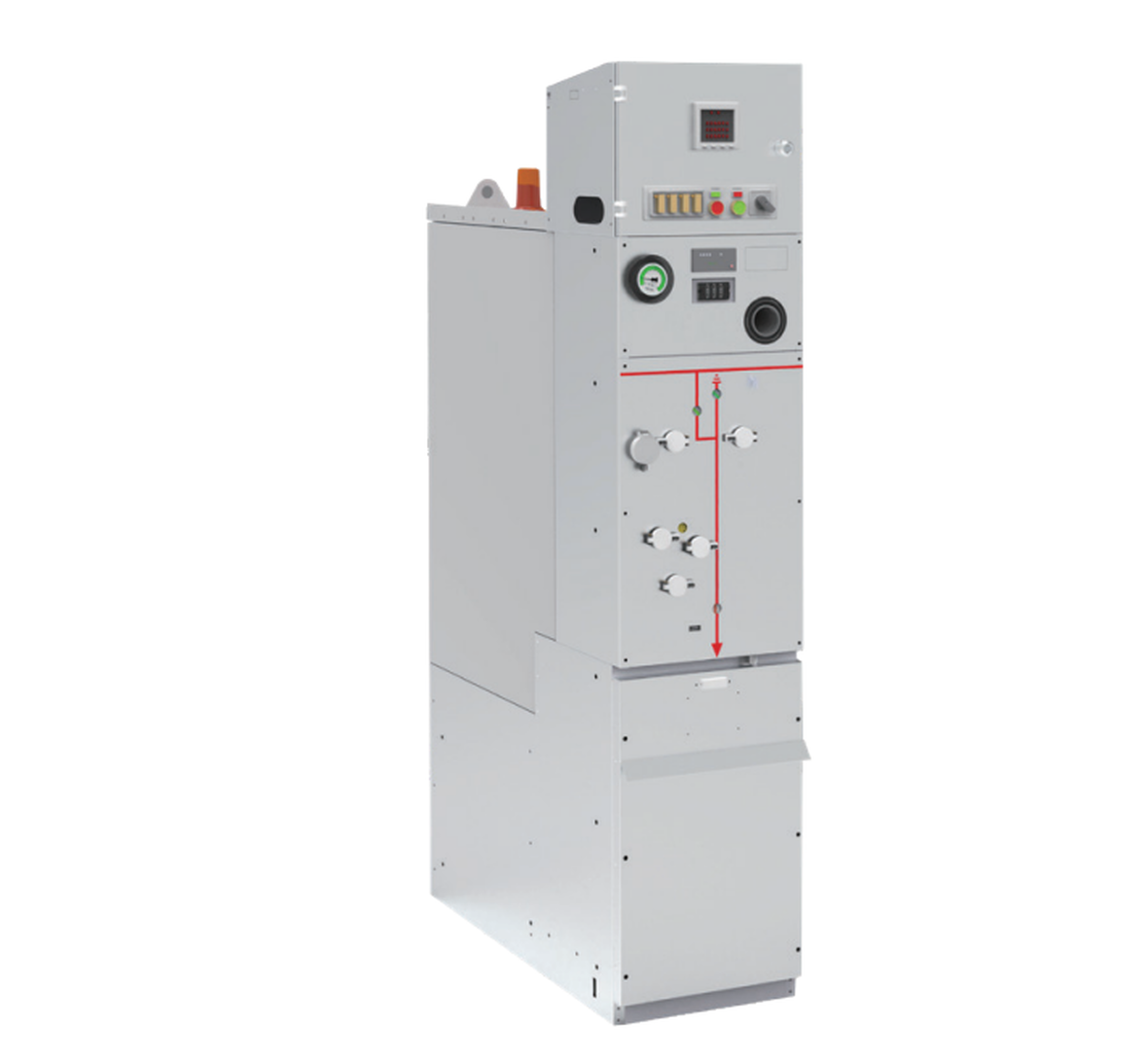
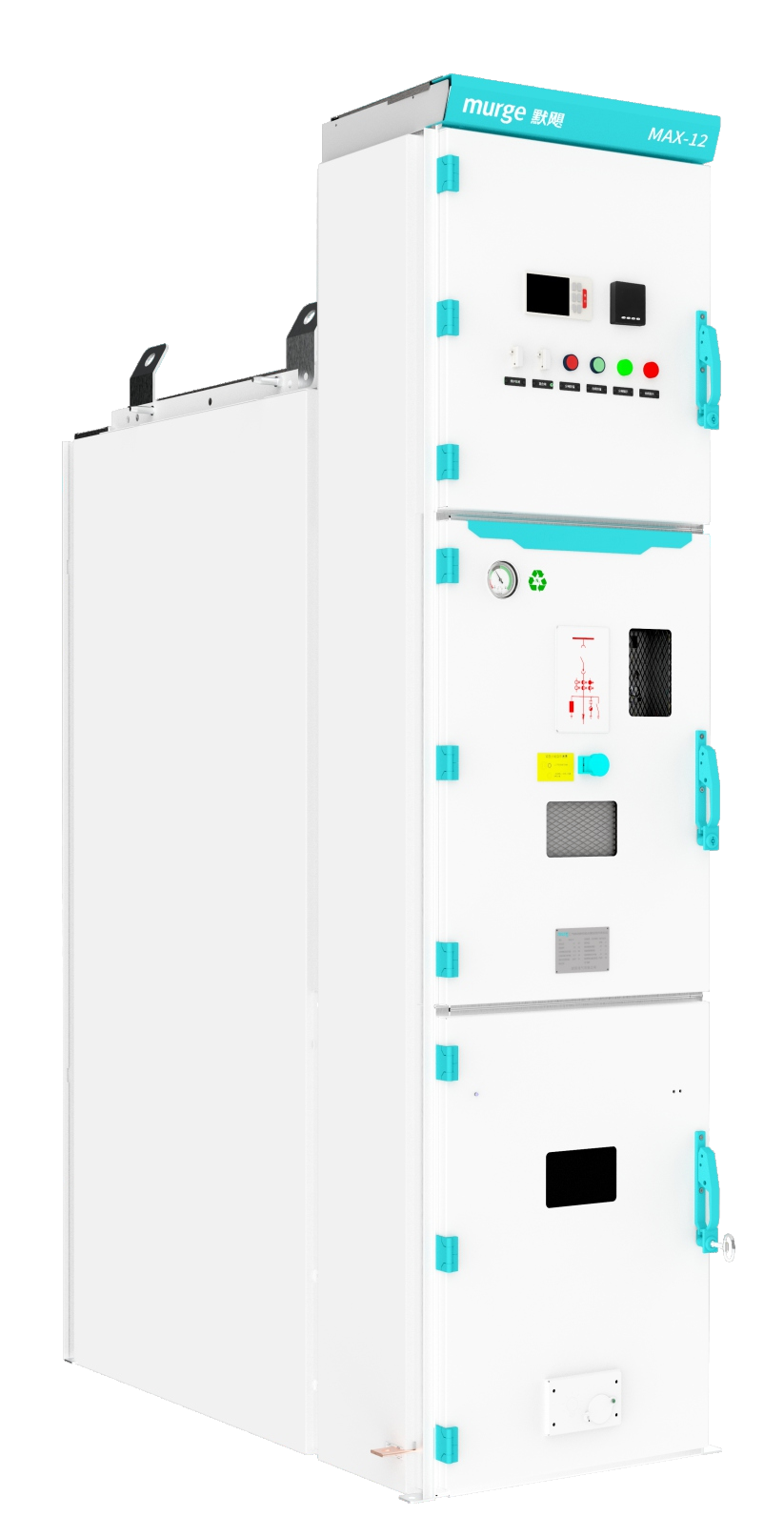
MAX-12 series Environmental Protection/SF6 gas insulated switchgear (C-GIS)
Murge Electric Co.,Ltd.