Lithuania Plans Seven Independent Power Supply Zones and 800 MW Emergency Power Capacity
en.Wedoany.com Reported - On November 9, Lithuania's transmission system operator Litgrid proposed a national grid resilience enhancement plan, which aims to establish seven power supply zones capable of operating independently in emergencies by 2033 and to build approximately 10 flexible dispatch power plants with a total installed capacity of 800 MW. The plan will enable each zone to maintain basic power supply when the main transmission network is interrupted by upgrading existing generation facilities, deploying battery energy storage, and adding new dispatchable power sources.
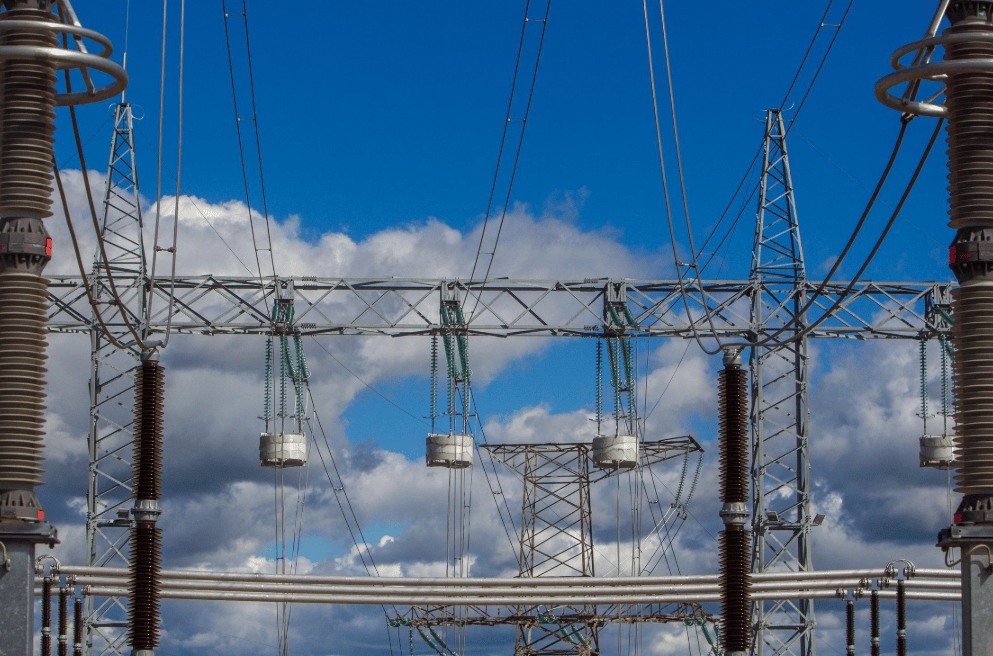
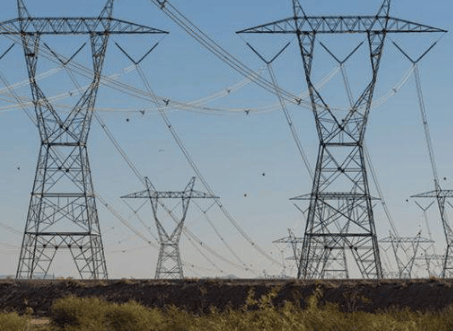
The seven independent power supply zones cover the Vilnius, Kaunas, Klaipėda–Mažeikiai, Panevėžys–Šiauliai, Alytus, Jurbarkas, and Utena regions. Each zone will have the ability to switch to island operation mode when the 330 kV main transmission network is unavailable, relying on in-zone generation facilities, energy storage systems, and grid dispatch facilities to maintain supply-demand balance.
Litgrid plans to prioritize the retrofitting of existing power plants, enabling the Vilnius, Kaunas, Panevėžys–Šiauliai, and Klaipėda zones to achieve preliminary independent operation capability by 2028. The first batch of zones will achieve partial island operation by improving the emergency start-up and power supply capabilities of existing units, followed by the gradual construction of new flexible power sources, ultimately forming a nationwide seven-zone operating system by 2033.
New generation capacity will be allocated through technology-neutral market-based tenders. Under the current arrangement, Litgrid plans to launch service procurement auctions in 2027, and winning investors must build new flexible generation facilities within five years and provide 15 years of zonal island operation services after completion. Project power sources may adopt technological routes such as natural gas, hydrogen, biomethane, and liquid fuels, and the relevant units need to be capable of starting operation within approximately 30 minutes.
According to the emergency power supply arrangements formulated by Litgrid, the independent operation zones will prioritize key public service facilities such as emergency rescue agencies and hospitals during large-scale grid interruptions, and then meet the needs of residential and industrial and commercial users according to available power supply resources. The plan uses as its basic calculation target that residents receive at least 8 hours of power supply per day under extreme conditions, and when local power sources such as wind and solar are able to generate, the zone power supply time can be further extended.
New power plants will be built and operated by market investors, and Litgrid will obtain emergency capacity assurance by purchasing island operation services. The relevant power plants can still participate in electricity market trading, balancing services, and heating operations during normal grid operation. According to Litgrid's estimates, the new emergency power supply services after 2033 are expected to increase transmission prices by approximately 0.67 euro cents/kWh. Subsequent implementation of the plan involves amendments to energy regulations, coordination with regulatory authorities, market tenders, and construction of new power plants.
Related Products

Global Sulfur Hexafluoride Gas Supply and Cylinder Export
Foshan Yuexin Industrial Gas Co., Ltd.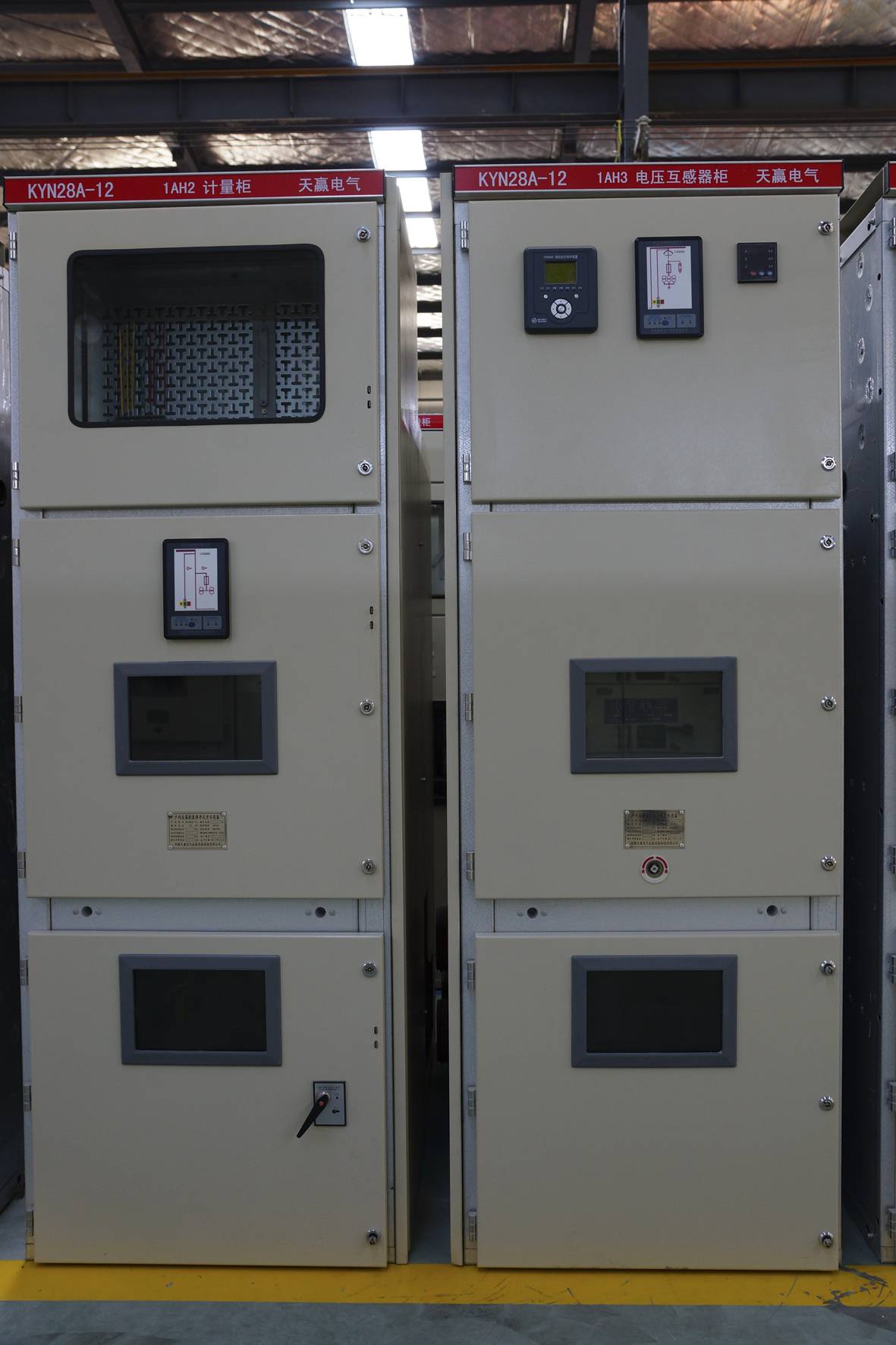
KYN28 - High Voltage Switchgear
Anhui Tianying Electrical Equipment Manufacturing Co., Ltd.
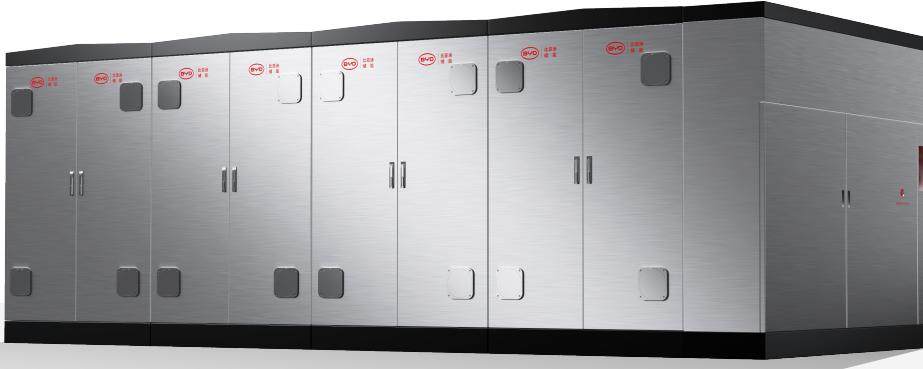

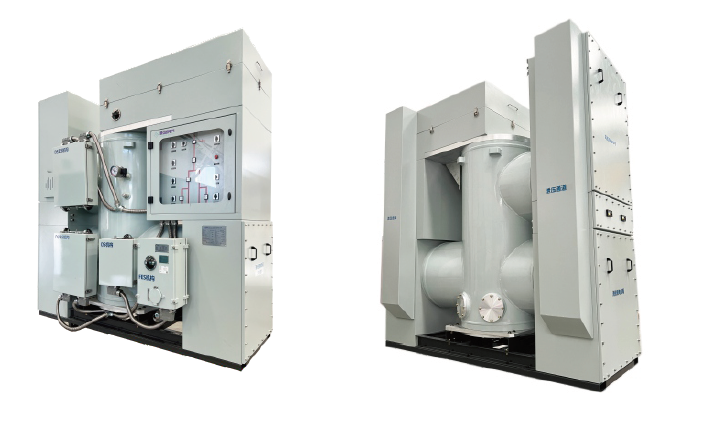
72.5kV 1250A 31.5kA SF6 free Gas-insulated Metal-enclosed Switchgear
Zhejiang Juhonkia Intelligent Electric Co., Ltd.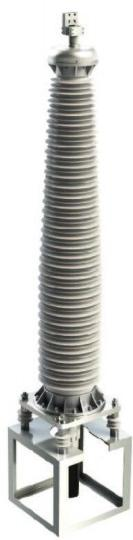
220kV Composite Outdoor Cable Terminal
Shenyang Guolian Cable Accessories Manufacture Co., Ltd.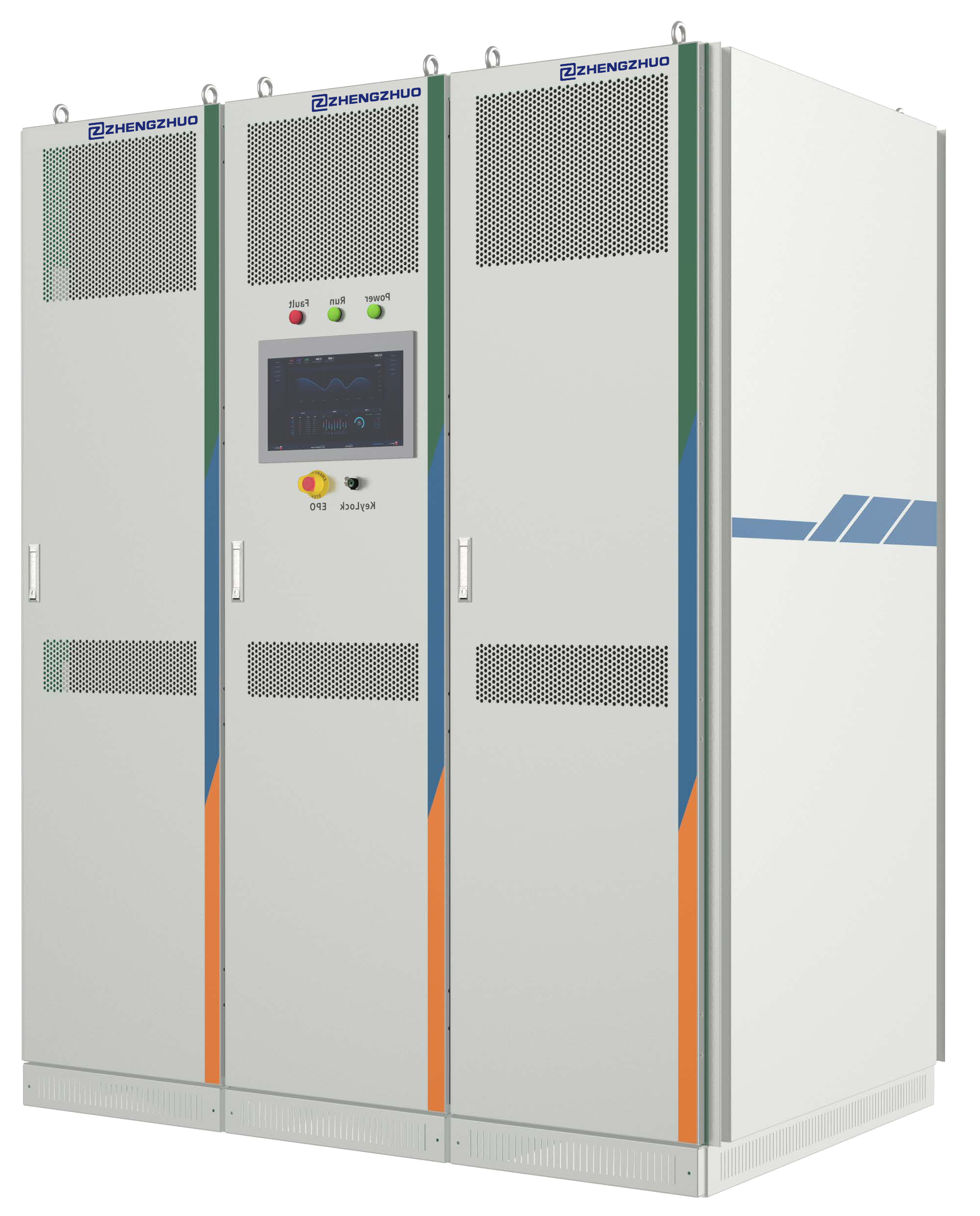
IGBT Hydrogen Production Power Supply - High Power Air Cooling
Beijing Zhengzhuo Engineering Technology Co., Ltd.