Brazilian Agrochemical Company BRQ Proposes Soil Improvement Plan for Cotton Cultivation
en.Wedoany.com Reported - On November 12, Brazilian agricultural inputs company BRQ Brasilquímica released soil management recommendations for the 2026/2027 cotton production season, proposing measures such as soil fertility testing, acidity correction, soil structure protection, and biological control to improve cotton root growth and water-fertilizer uptake conditions. The company's technical director recommended that soil chemical properties, physical structure, and biological activity should be comprehensively assessed before planting, and fertilization and soil improvement plans should be formulated according to the actual conditions of different plots.
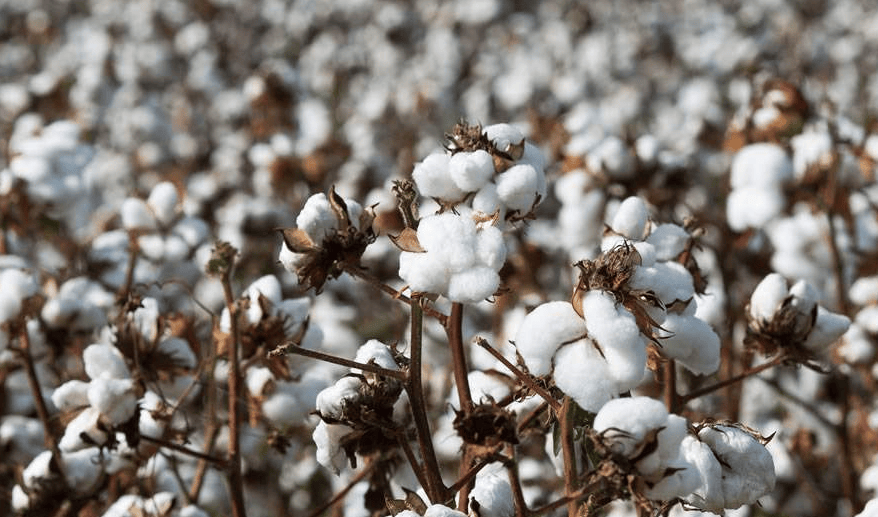
Soil testing is the foundation of pre-planting management. Farmers need to focus on testing soil pH, the content and availability of nutrients such as phosphorus and potassium, and determine lime application rates and basal fertilizer ratios based on test results. For plots with soil compaction, the degree of compaction in different soil layers should also be examined. Compacted layers restrict cotton roots from growing downward, reduce the infiltration capacity of rainfall and irrigation water, and make it difficult for plants to fully utilize deep soil moisture and nutrients. Fertilization and soil improvement should be adjusted according to plot history, target yield, and previous crop conditions to avoid nutrient deficiency or excessive application.
The company recommends retaining previous crop residue as mulch, combined with crop rotation and cover crop planting, to reduce surface exposure and soil erosion. Cover crops can increase soil organic matter sources and improve aggregate structure and water-holding capacity. When selecting plant species, the pest and disease history of the plot must also be considered, especially the risk of soil-borne diseases such as root-knot nematodes, to prevent cover crops from becoming hosts for pathogens or pests.
Nutrient management needs to balance chemical availability and soil biological activity. Phosphorus participates in cotton root growth and energy metabolism, but in some soils it readily binds with other minerals to form forms that are difficult for plants to absorb. Determining phosphorus fertilizer requirements through soil testing and combining them with management measures that promote phosphorus activation can improve nutrient utilization conditions. Nematode infestation damages root tissue and affects the plant's absorption of water and nutrients, so soil diagnosis, agronomic management, and biological control should be implemented in combination.
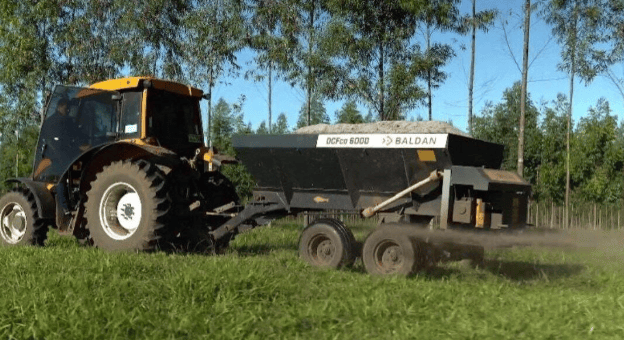
BRQ Brasilquímica also introduced its agricultural input products for cotton production, including the Organik soil conditioner made from lignite oxide, the Bacill Mix biological product containing Bacillus strains, and the Potencer Phos and Potencer Hydro products for phosphorus activation and root management. These products target application scenarios such as soil nutrient retention, nematode management, root development, and water stress, and constitute the company's product feature introductions; actual application effects still need to be evaluated in conjunction with soil conditions, crop varieties, and field trials.
Related Products

4HS-8 High-efficiency Peanut Inverted-laying Harvester
Hebei Yongfa Hongtian Agricultural Machinery Manufacturing Co., Ltd.

714CD Series C-Band Weather Radar
Chengdu Zhongdian Jinjiang Information Industry Co., Ltd.
MH220E Two-Row Hybrid Packaged Cotton Picker
CHINA RAILWAY CONSTRUCTION HEAVY NDUSTRY XINJIANG CO., LTD.