Iowa, USA Launches Wetland Treatment Project to Treat Drainage from 1,600 Acres of Farmland
en.Wedoany.com Reported - On November 21, the Soil Conservation and Water Quality Division of the Iowa Department of Agriculture and Land Stewardship issued a construction bid solicitation for the Sac County Nutrient Reduction Wetland Project (Sac883604B), with an estimated construction cost of USD 175,000 to 275,000 (approximately RMB 1.24 million to 1.95 million). The project is located in Section 4 of Sac County, Iowa, and plans to use solar-powered pumping stations to divert a portion of the flow from existing agricultural drainage ditches into a constructed wetland, where wetland ecological processes will reduce nitrate in the water and improve the quality of agricultural drainage.
According to the official design report, the project is designed in accordance with the USDA Natural Resources Conservation Service Practice Code 656 for constructed wetland construction and is part of the Iowa Nutrient Reduction Strategy. Its primary treatment target is water discharged from subsurface agricultural drainage networks; by diverting drainage into the wetland, denitrification is used to remove nitrate from the water rather than building a conventional wastewater treatment plant.
The project site is located in Section 4, Township 88 North, Range 36 West, Sac County. The design area receives surface runoff from approximately 9.89 acres (about 4 hectares) of surrounding farmland and grassland, while a solar-powered pumping station diverts a portion of drainage from the nearby Drainage District No. 4 network. The drainage network has a catchment area of approximately 1,600 acres (about 647 hectares), but not all drainage enters the wetland; the design controls the diversion volume through the pumping station.
The wetland is designed with a maximum water depth of approximately 2 feet (0.61 meters), an average water depth of approximately 1 foot (0.30 meters), a design water surface area of approximately 3 acres (1.21 hectares), and a maximum storage volume of approximately 3.07 acre-feet. Through shallow-water wetland conditions and water level regulation, the project provides a treatment environment for aquatic plants and microorganisms, enabling nitrate in agricultural drainage to be reduced through denitrification.
The bid scope includes site clearing, excavation, fill placement, grading, installation of drainage pipes and outlet structures, construction of a lift pumping station, installation of solar equipment, riprap slope protection, and vegetation restoration. The project plans approximately 7,800 cubic yards (about 5,960 cubic meters) of earthwork, 726 feet (about 221 meters) of pipe, approximately 67 tons of stone, and installation of an improved concrete outlet structure, a dual-chamber water level control structure, and associated pumping station.
The pumping station consists of a lift well, pump assembly, electrical equipment, and solar panels, and is responsible for diverting agricultural drainage into the wetland. The water level control facilities are used to regulate wetland inflow and outflow, working in conjunction with the main drainage pipe and outlet culvert to control flow. The project also includes 738 feet (about 225 meters) of straw bale check structures and 4.9 acres (about 1.98 hectares) of vegetation seeding to control soil erosion during and after construction.
According to the bid documents, the project is procured by the Iowa Department of Agriculture and Land Stewardship, and design work is undertaken by engineering consulting firm ISG. Bid documents must be submitted through the Iowa Procurement and Contract Management System by 3:00 p.m. on December 30, 2026. Bidders must provide a bid bond equal to 10% of the base bid and meet state contractor registration requirements.
The project is scheduled to commence within 7 days after the pre-construction meeting, with main construction to be completed by November 1, 2027, and vegetation seeding in the wetland buffer and related structure areas to be completed by December 15 of the same year. After contract award, the contractor must also submit a performance and payment bond equal to 100% of the contract amount.
Upon completion, the constructed wetland will provide ecological treatment of agricultural drainage, reducing nitrate loads through pump-driven diversion, wetland retention, and the action of plants and microorganisms. Unlike simply expanding drainage networks, this project combines agricultural drainage management with natural wetland treatment, providing supporting infrastructure for agricultural non-point source pollution control.
Related Products

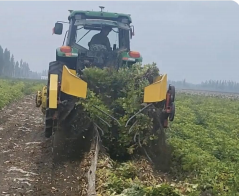
4HS-8 High-efficiency Peanut Inverted-laying Harvester
Hebei Yongfa Hongtian Agricultural Machinery Manufacturing Co., Ltd.
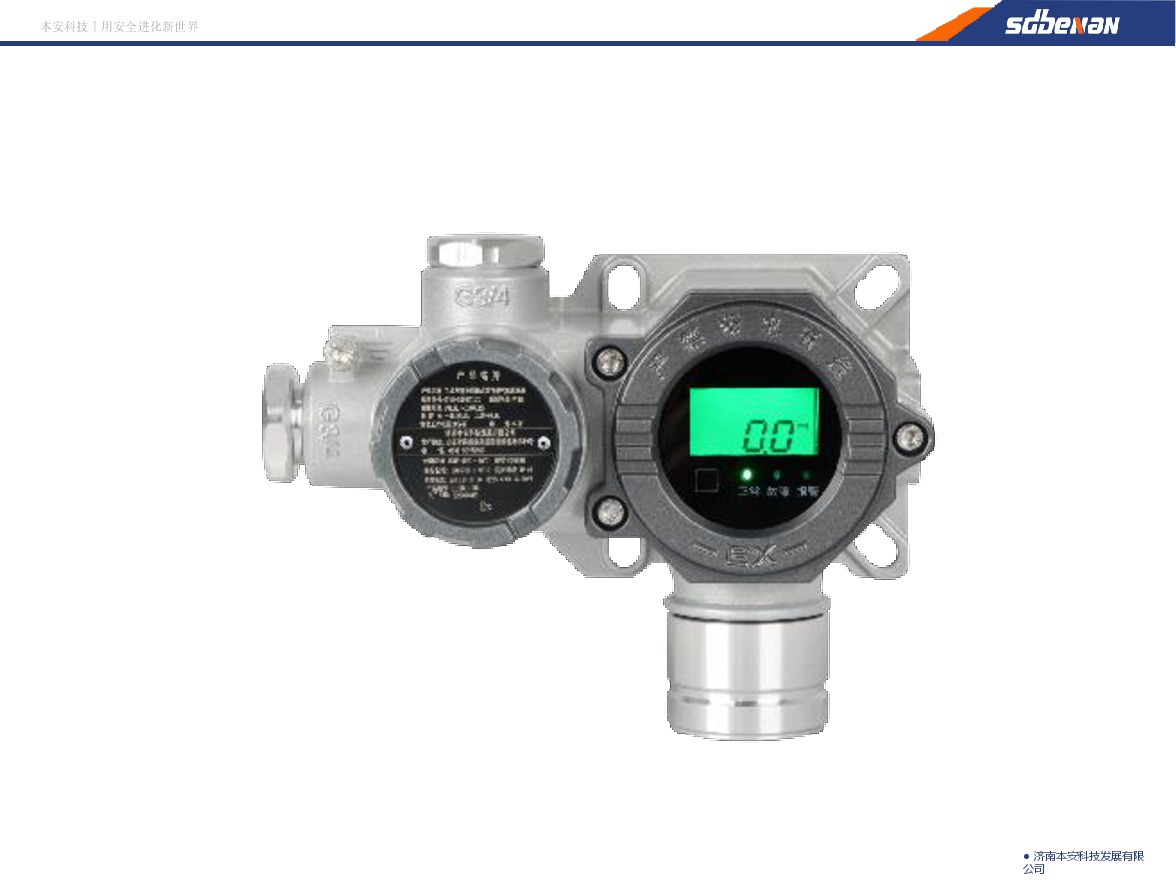
Industrial and Commercial Point-Type Gas Detector
Jinan Benan Technology Development Co., Ltd.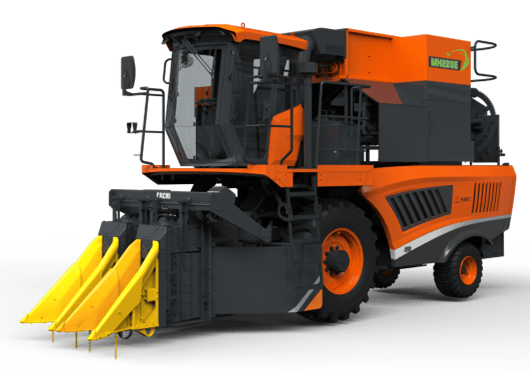
MH220E Two-Row Hybrid Packaged Cotton Picker
CHINA RAILWAY CONSTRUCTION HEAVY NDUSTRY XINJIANG CO., LTD.