UK £13.1 Million Magnetic Sensor Manufacturing Project Enters Implementation Phase
en.Wedoany.com Reported - On November 26, the £13.1 million advanced magnetic sensor manufacturing project led by UK semiconductor company Neuranics entered the implementation phase after receiving full business case approval from the Glasgow City Region Chief Executives' Group. The project is jointly advanced by Neuranics, the University of Glasgow's James Watt Nanofabrication Centre (JWNC), and Kelvin Nanotechnology (KNT), and is the first project within the £190 million Glasgow City Region Investment Zone to enter the implementation phase.
In terms of funding structure, the Glasgow City Region Investment Zone provides £5.2 million, Scottish Enterprise provides support for equipment investment, and the remaining project funding is jointly borne by Neuranics, the University of Glasgow, and Kelvin Nanotechnology, with Kelvin Nanotechnology responsible for the operation of the relevant facilities.
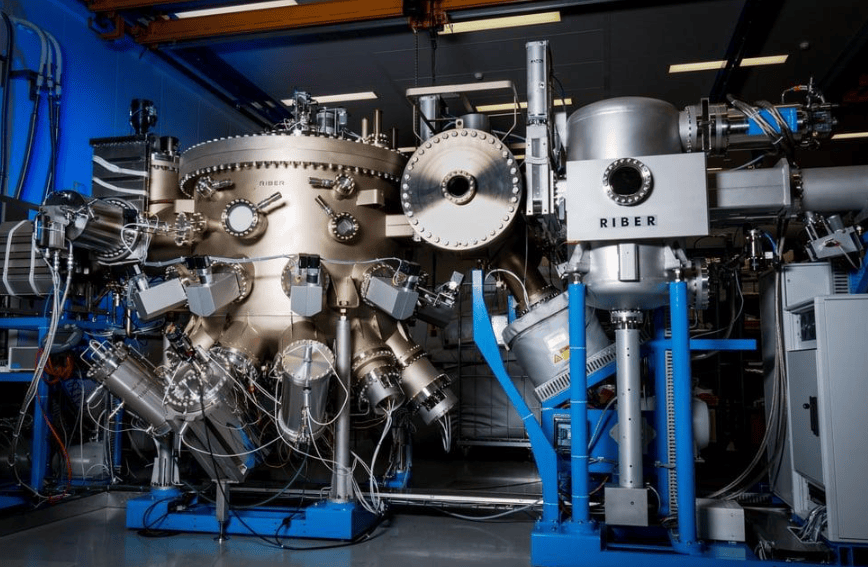
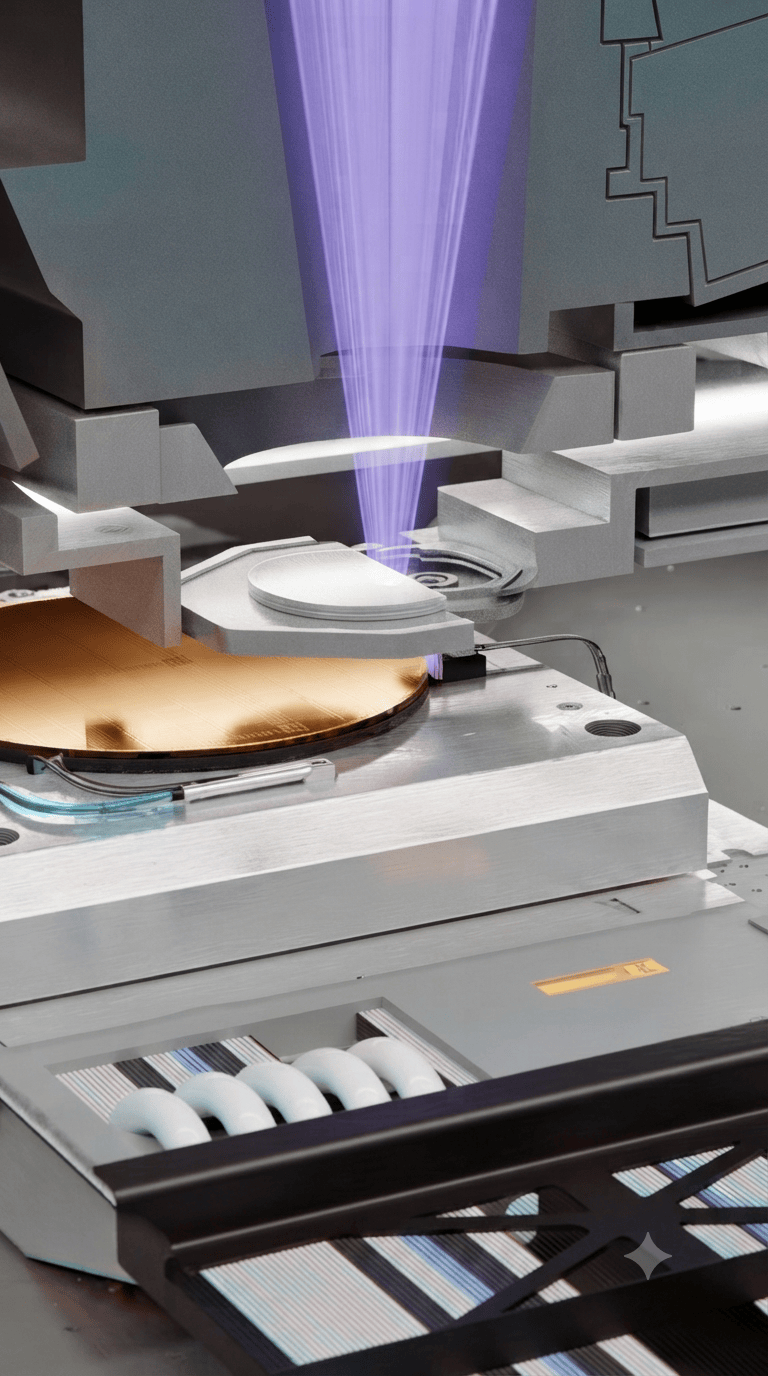
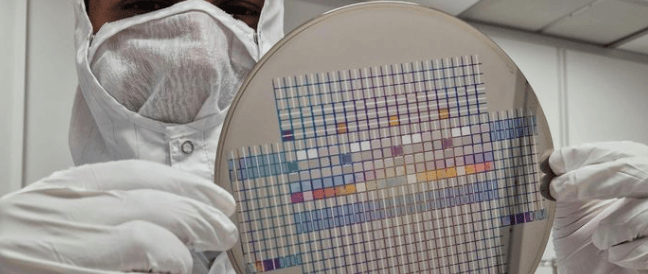
The project will install dedicated ion beam etching (IBE) equipment at the James Watt Nanofabrication Centre to establish advanced manufacturing capability for ultra-high-sensitivity tunnel magnetoresistance (TMR) sensors, support the full-process domestic manufacturing of magnetic sensors in the UK, reduce dependence on overseas nanofabrication facilities, and strengthen the company's control over manufacturing processes and intellectual property.
The newly installed ion beam etching equipment will adopt an open-access operating model. In addition to serving Neuranics' own product development and scaled production, it will also be open to other semiconductor companies, startups, and research institutions to support advanced semiconductor device development, process validation, and manufacturing. The project as a whole is expected to create more than 100 jobs and provide semiconductor professional skills training and apprenticeship opportunities.
Neuranics was jointly incubated and founded by the University of Glasgow and the University of Edinburgh in 2021, primarily advancing the commercialization of tunnel magnetoresistance sensing technology, covering the fields of human biosignal monitoring, human-computer interaction, wearable devices, extended reality (XR), and digital healthcare, including next-generation cardiac monitoring devices and gesture recognition systems.
Related Products


20 Inch 1600*900 Full HD 60Hz TFT LED Monitor with VGA and DP Interfaces for Desktop Computers-Business Use
Guangzhou Zanying Optoelectronics Technology Co., Ltd.
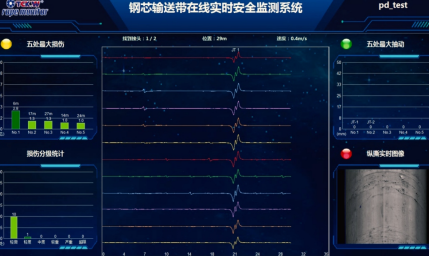
Conveyor Belt Intelligent Monitoring System
LUO YANG WIRE ROPE INSPECTION TECHNOLOGY CO., LTD.

Multi-function Marine Monitoring Low-altitude Detection Radar Sea-air Boundary Ocean Dynamic Environment Measurement
Chengdu Dixin Technology Co., Ltd.

TWP16 P-Band Tropospheric Wind Profile Radar
China Huayun Meteorological Technology Group Co., Ltd.